CALL NOW
Dumpster Pad Cleaning in Spartanburg, SC
LOCAL PRESSURE WASHING PROS

Dumpster Pad Cleaning

Commercial dumpster pad cleaning in Spartanburg, SC — hot-water sanitizing for grease, odor, and staining.

Local Pros
in SC
On-Site
Assessments
Written
Quotes
Request
a Quote
Serving
Spartanburg

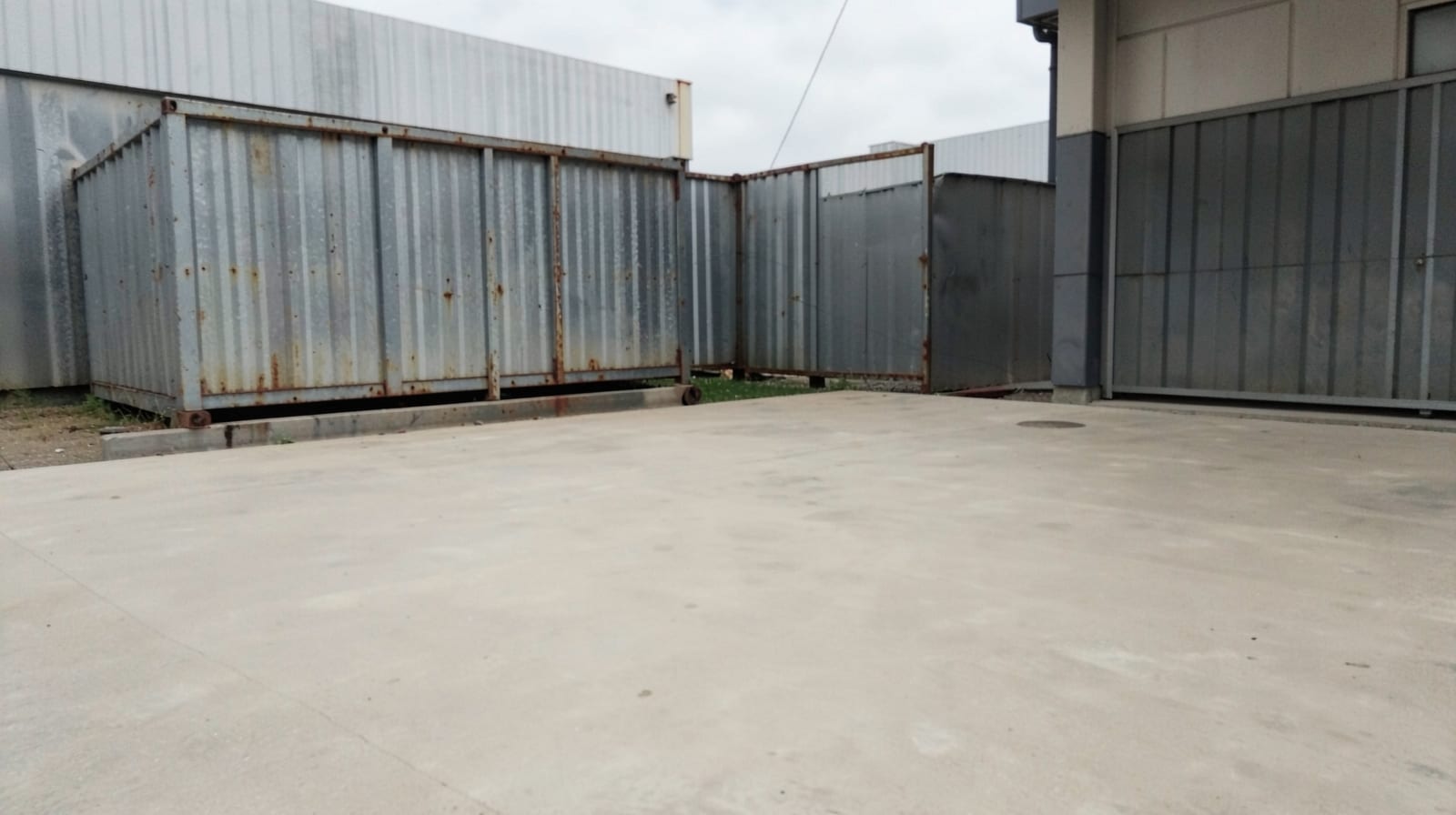
Dumpster Pad Cleaning in Spartanburg is handled by providers already working across this area. A dumpster pad collects grease, food waste runoff, and general grime that plain rainwater never fully clears — left untreated, it becomes a source of odor and attracts pests, which is a real concern for restaurants and any commercial property with regular waste pickup.

Dumpster Pad Cleaning in Spartanburg, SC

What dumpster pad cleaning actually involves, step by step

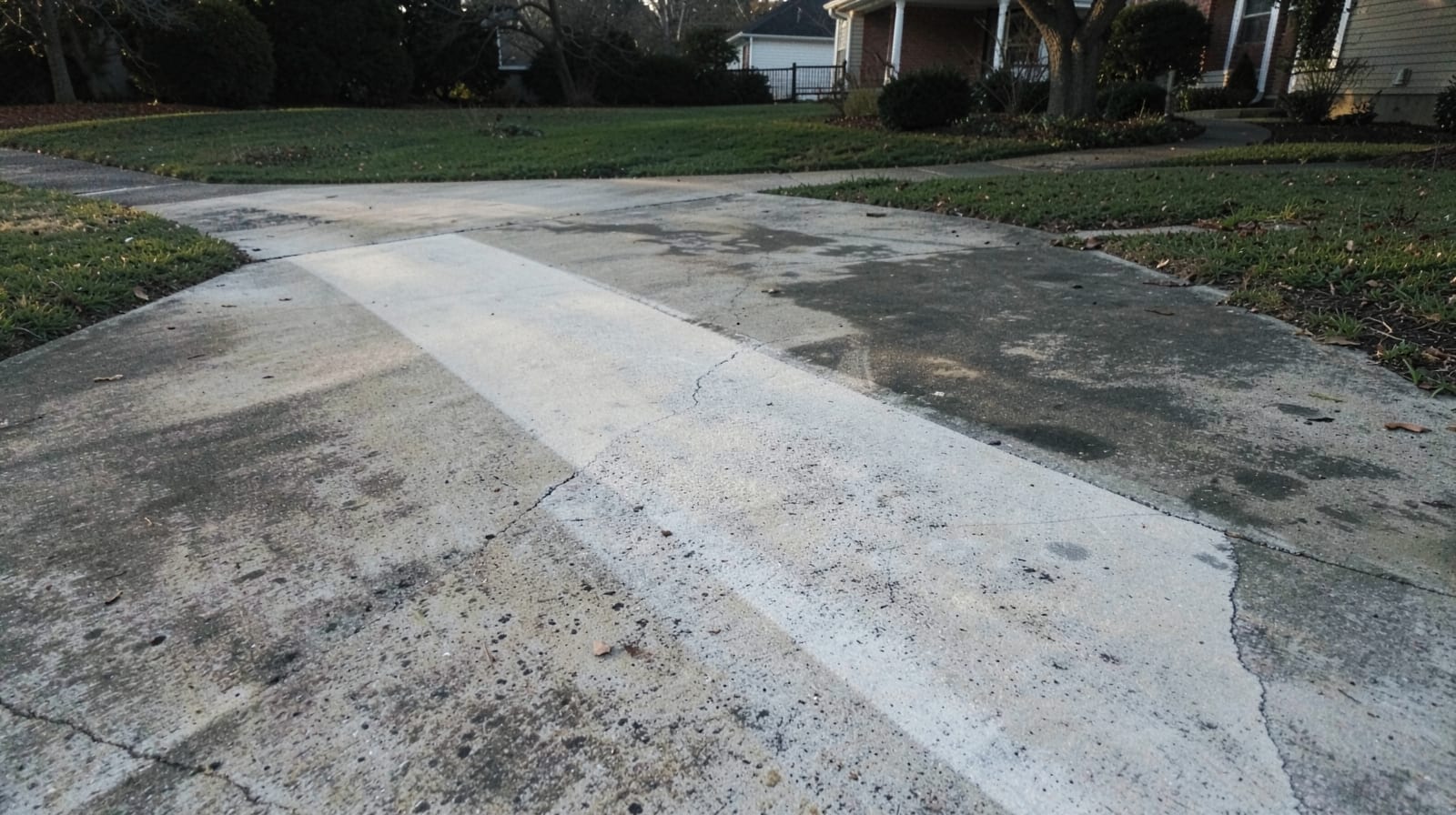
Surface material check. Stamped, colored, or sealed concrete is identified separately from plain broom-finish concrete before pressure is applied, since a sealed or decorative surface can discolor or lose its finish under the pressure setting that plain concrete tolerates without issue.

We also handle Graffiti Removal and Solar Panel Cleaning for Spartanburg properties.

Detergent application. A degreasing or stain-lifting solution is applied to oil spots, tire marks, and organic staining and left to dwell, since pressure alone tends to spread an oil stain outward into the surrounding concrete rather than actually lifting it out of the pores.

Surface cleaning pass. The surface is cleaned in overlapping passes with a surface cleaner attachment held at a consistent distance and angle, which produces an even result across the slab instead of the ringed or striped pattern a handheld wand leaves on a large flat area.

Edge and joint detail. Expansion joints, edges along garden beds, and corners the surface cleaner can't reach are finished separately at a lower pressure, since those areas are also where a wand held too close is most likely to etch a visible line into the concrete.

Rinse and runoff containment. The area is given a final clear-water rinse, and runoff containing detergent or lifted contaminants is directed away from storm drains and planting beds rather than left to flow wherever the slope of the driveway happens to take it.

How to tell dumpster pad cleaning is needed

Concrete and hardscape buildup shows up in a handful of specific, checkable ways rather than as one general dirty look. Dark stains from oil, tires, or rust that don't fade at all after repeated rain, and instead seem to spread slightly at the edges over time, are the kind of staining plain water was never going to remove on its own. A surface that feels noticeably slick specifically when wet, beyond what plain wet concrete normally feels like, usually means an algae or mildew film has built up, since that film is what actually creates the slipperiness.

A green or black tinge concentrated in shaded corners or low spots where water tends to pool after rain is that same growth getting a head start in the areas that stay damp longest. And a white, powdery haze on the surface — sometimes mistaken for a light coat of dust — is a mineral deposit called efflorescence, which is a different problem from ordinary dirt and needs a different approach to treat.

What goes wrong when dumpster pad cleaning is done badly

Etching and striping from a close wand. Holding a pressure washer tip too close to bare concrete, or moving it too slowly, can etch a visible line or swirl pattern directly into the surface — a mark that doesn't wash out because it's physical erosion of the top layer of the slab, not dirt.

Discoloring sealed or stamped concrete. Sealed and stamped decorative concrete can lose its sheen or develop a blotchy, uneven look when cleaned at the same pressure used on plain broom-finish concrete, since the sealer layer itself is thinner and softer than the concrete underneath it.

Spreading oil stains instead of lifting them. Blasting an oil or grease stain with straight pressure and no chemical pre-treatment tends to push the stain outward into the surrounding pores of the concrete, turning a contained spot into a much larger faded halo that's harder to treat afterward.

What keeps the problem from coming back

Whether a driveway or patio stays clean longer after a wash comes down to what's allowed to soak into the surface afterward. A penetrating or film-forming sealer applied right after cleaning fills the pores that algae, oil, and organic stains would otherwise work their way into, and it's the single biggest factor in how much longer the surface actually stays clean. Sweeping the surface on a routine basis, rather than letting leaves and clippings sit and decompose, keeps organic material from building into the kind of set-in staining that needs professional treatment later.

A fresh oil or fluid drip wiped up or treated with an absorbent within a day sets far less deeply into the concrete's pores than the same drip left for weeks, which makes prompt cleanup more effective than any amount of pressure applied afterward. And a low spot that holds standing water after every rain gives algae and mildew a head start that a flat, well-draining surface doesn't, so improving drainage there specifically reduces staining in that exact spot rather than across the whole slab.

What drives the cost of dumpster pad cleaning

Commercial or institutional pressure washing in Spartanburg rarely comes with a published price range; most providers quote it per project once they have seen the site. A few things usually shape that number: the total square footage across multiple buildings, a parking structure, or a lot, rather than a single house; water reclamation or containment requirements that many municipalities impose on commercial sites; scheduling around business hours or foot traffic, since storefronts and clinics are usually washed outside operating hours; for fleet washing specifically, the number of vehicles and whether they are washed on a recurring schedule. This is a general picture of how this category gets priced in the market, not a quote or an offer — an actual project is priced on its scope and the provider selected.

How to choose who does dumpster pad cleaning

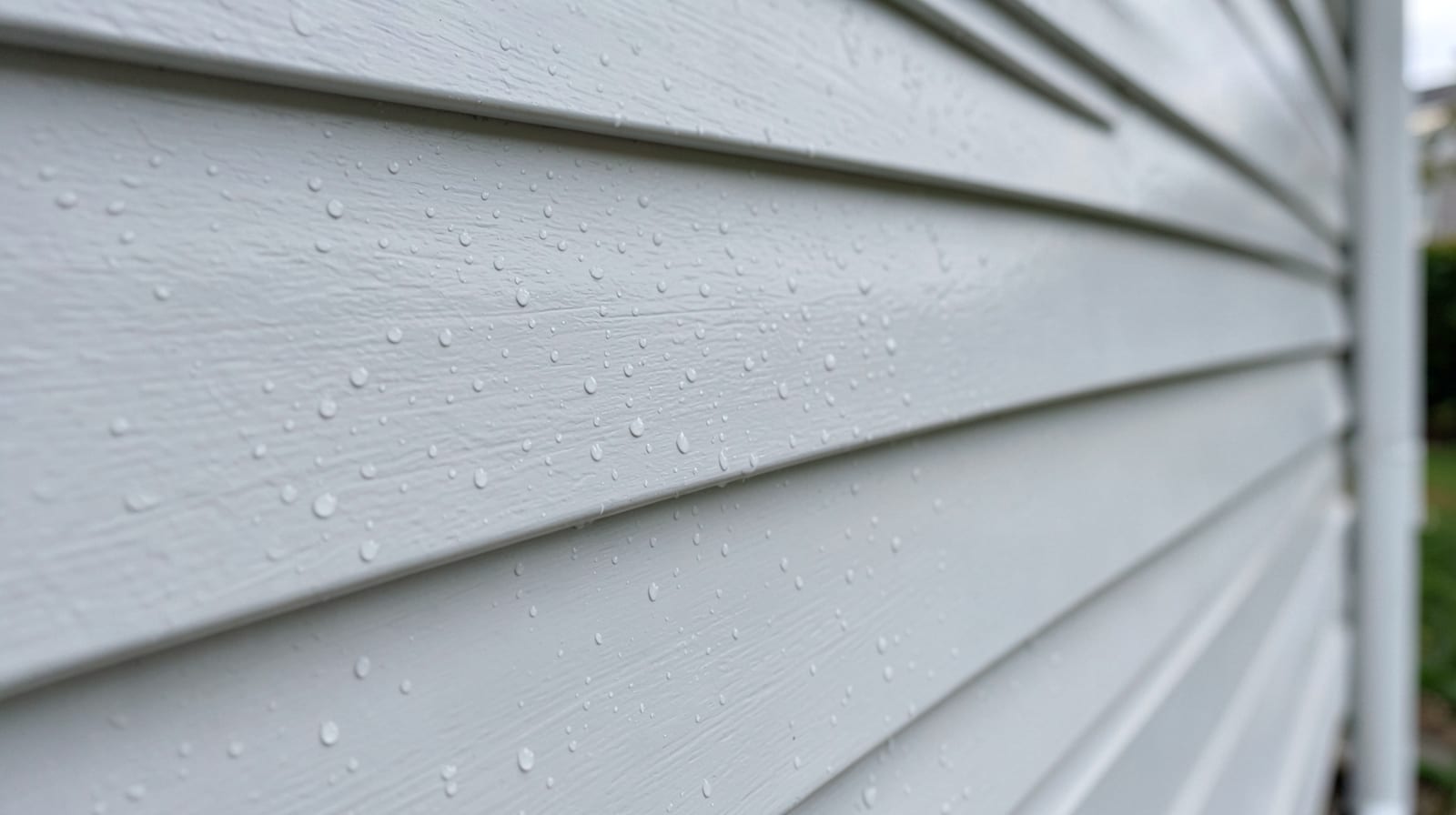
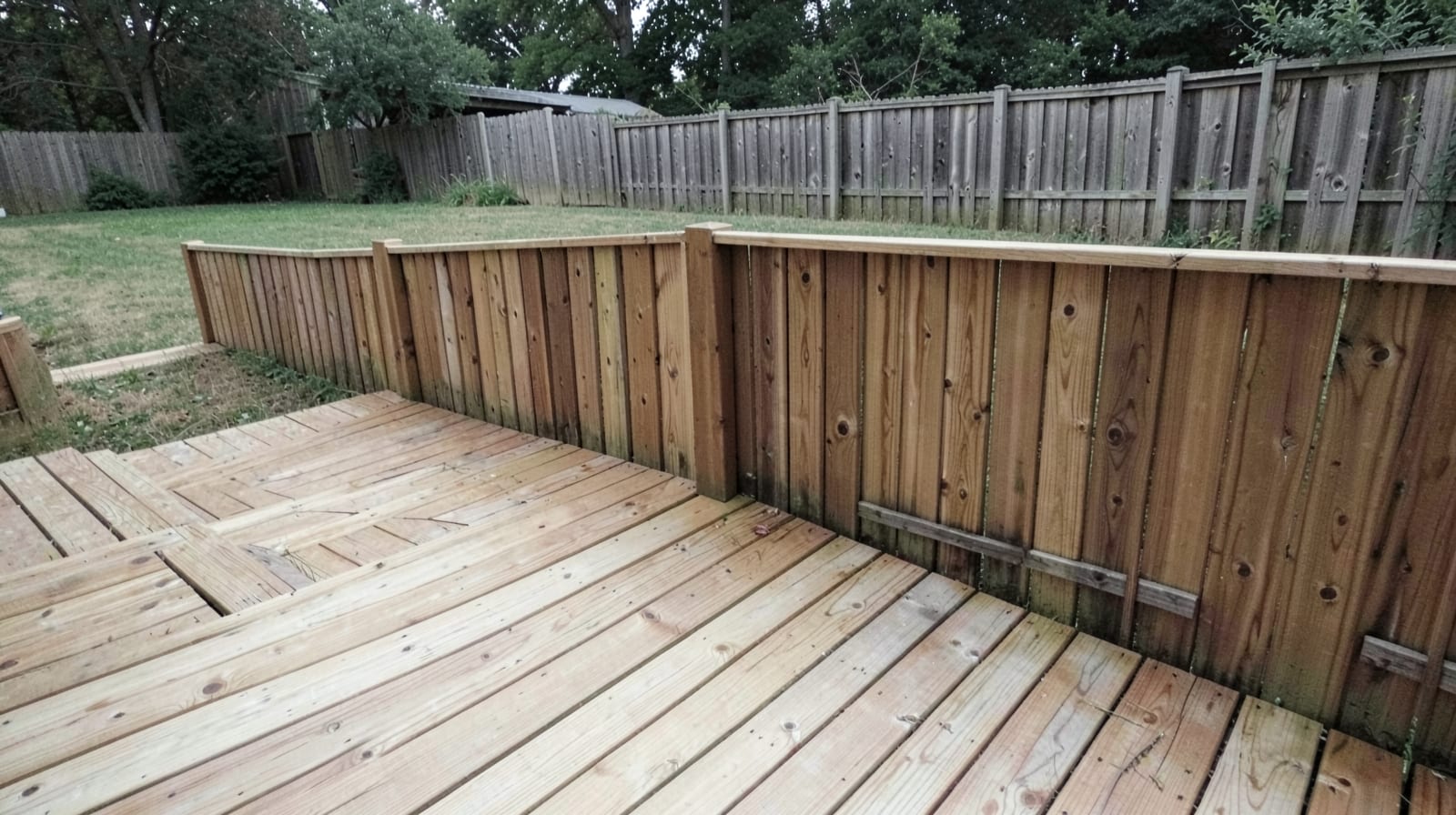
Does the quote specify the PSI and method — pressure wash vs. soft wash — for each surface? The wrong PSI on siding, roofing, or wood can cause damage, so the method should be disclosed per surface, not left as one generic number. Is a written scope listing every surface included — driveway, siding, deck, roof, fencing — provided? Bundled pricing sometimes covers only one or two surfaces despite sounding comprehensive. Are the cleaning chemicals used, and their effect on nearby landscaping and pets, disclosed before the job? Soft-wash detergents vary in strength, and runoff can affect plants or pets nearby. Does the estimate distinguish concrete or driveway work from roof or siding work? Roof and siding washing typically require lower pressure and different technique than concrete, and pricing that lumps them together can hide risk. What is the policy if pressure washing reveals pre-existing damage, like cracked paint or loose mortar? Pre-existing conditions can surface once dirt is removed, so it helps to know how that gets handled before agreeing to the job. Is post-treatment sealing for driveways or decks included in the price or billed separately? Sealing is often an add-on, not part of a basic wash.

No mention of PSI or method — pressure vs. soft wash — for each surface. The wrong pressure on siding, roofing, or wood can cause real damage, and a quote that has not specified method per surface has not actually assessed the job. A price far below every comparable bid for the same square footage. An unusually low price can mean lower-grade equipment, no pre-treatment chemical, or rushed coverage that leaves streaking. No mention of what chemicals are used or their effect on landscaping. Undisclosed chemical strength is how plants and grass near the work area end up damaged. Full payment demanded before the job starts. Paying in full upfront removes leverage if streaking, missed spots, or damage shows up afterward. Pressure to add extra services on the spot without a separate written price. Add-ons proposed in the moment are harder to compare against other bids.

Where dumpster pad cleaning is covered

Dumpster Pad Cleaning is covered across the Spartanburg area, including Arkwright, SC · Drayton, SC · Whitney, SC · Saxon, SC · Hilltop, SC · Ben Avon, SC · Arcadia, SC · Camp Croft, SC · Southern Shops, SC · Valley Falls, SC · Glendale, SC · Roebuck, SC · Fairforest, SC · Converse, SC · Clifton, SC · Boiling Springs, SC · Pauline, SC · Cowpens, SC · Pacolet, SC · Startex, SC · Wellford, SC · Central Pacolet, SC · Glenn Springs, SC · Mayo, SC · Inman, SC · Lyman, SC · Reidville, SC · Inman Mills, SC · Duncan, SC · Fingerville, SC.

For dumpster pad cleaning in the Spartanburg area, request a quote — coverage and pricing work the same across every town listed above.

See Pauline, SC for more, or explore our full Spartanburg-area coverage on a single page for our complete lineup.

Ready to get started?

Talk to a local pressure washing pro in Spartanburg — get a written quote.

Got Questions?

Common Questions About Pressure Washing in Spartanburg

Everything you need to know about pressure washing services in Spartanburg

How much does Dumpster Pad Cleaning typically cost in Spartanburg, SC?

Driveway and walkway cleaning commonly runs around $0.15 to $0.35 per square foot, while a full house wash — siding, typically using a lower-pressure soft-wash method — more often falls in the $200 to $500 range depending on square footage and stories. Roof cleaning, which requires the gentlest method of the three, tends to price separately and higher per square foot than driveway work. A quote that doesn't separate these surfaces by method and price isn't giving a full picture of what's actually being done.

Why does algae and mildew growth on homes in Spartanburg, SC come back so quickly?

Sustained humidity keeps siding, roofing, and shaded concrete damp for longer stretches than drier climates allow, and algae specifically thrives on that lingering moisture combined with organic debris like pollen and leaf litter. A house washed once and left alone in a consistently humid climate can show visible regrowth within months rather than the year or more typical in a drier region. That's the main reason humid-climate homes are often recommended a twice-a-year schedule instead of once.

How long does washing a typical house exterior take?

A single-story home's siding and walkways often take two to four hours including pre-treatment dwell time, while two-story homes or properties that include roof cleaning can run half a day or more. Heavy algae or mildew buildup that needs a longer dwell time, or extensive hardscaping — multiple walkways, a large patio, a long driveway — both add meaningfully to that estimate beyond square footage alone.

Can pressure washing damage concrete, pavers, or mortar joints?

Yes, particularly with older or already-deteriorating mortar and with paver joints filled with polymeric sand — too much pressure at close range can blast the sand or mortar right out of the joints, which then need refilling. Newer or well-sealed concrete generally tolerates higher pressure than older, more porous concrete that hasn't been sealed in years. A wider fan-tip nozzle held at a greater distance is the typical adjustment made where joint or surface erosion is a concern.

What are the actual named steps in a professional pressure washing job?

A typical job moves through pre-treatment — applying a cleaning solution to break down dirt, mildew, or algae before any water pressure is used — dwell time, letting that solution sit long enough to work, often 5 to 15 minutes, rinsing at a pressure and nozzle angle matched to the surface, and a post-treatment step for delicate surfaces like sealing a driveway or applying a mildew-inhibiting rinse. Skipping the pre-treatment and dwell steps and going straight to high pressure is a common shortcut that leaves embedded dirt behind.

Can the wrong PSI actually damage a house or driveway?

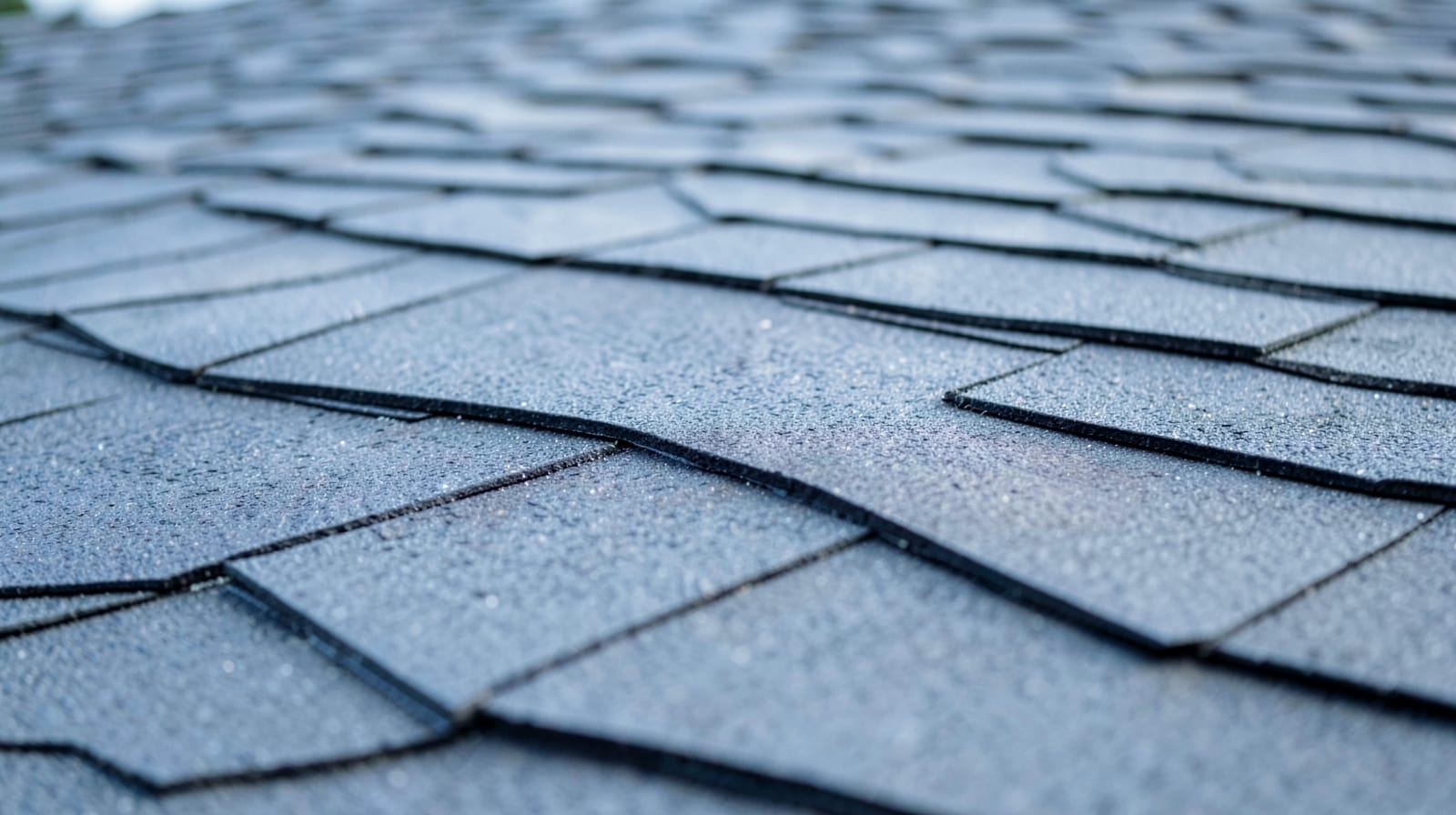
Yes, and it's one of the more common complaints in this trade. Too much pressure on wood siding or decking can gouge the surface and strip away the protective grain; on asphalt shingle roofing it can dislodge the granules that protect the shingle from UV damage, shortening the roof's life. On concrete, excessive pressure at a tight angle can etch visible stripe patterns, sometimes called zebra striping, into the surface permanently. Matching pressure and nozzle angle to each specific surface is what prevents these outcomes.
⚡ Serving Spartanburg & Nearby

Need Pressure Washing in Spartanburg?

Get a written quote from our Spartanburg crew.

⏰ We answer your call • Serving all of Spartanburg and surrounding areas

See the areas we serve