CALL NOW
Roof Washing (Soft Wash) in Spartanburg, SC
LOCAL PRESSURE WASHING PROS

Roof Washing (Soft Wash)

Low-pressure soft-wash roof cleaning in Spartanburg, SC removes algae streaks without damaging shingles.

Local Pros
in SC
On-Site
Assessments
Written
Quotes
Request
a Quote
Serving
Spartanburg

Roof Washing (Soft Wash) in Spartanburg comes up often enough here to be routine work rather than a special case. Dark streaks on a roof are usually algae (Gloeocapsa magma), not just dirt — common on shingle roofs in Spartanburg's humid Piedmont climate, and it spreads from roof to roof through airborne spores, so one streaked roof in a neighborhood often means others nearby will follow.

Roof Washing (Soft Wash) in Spartanburg, SC

What roof washing (soft wash) actually involves, step by step

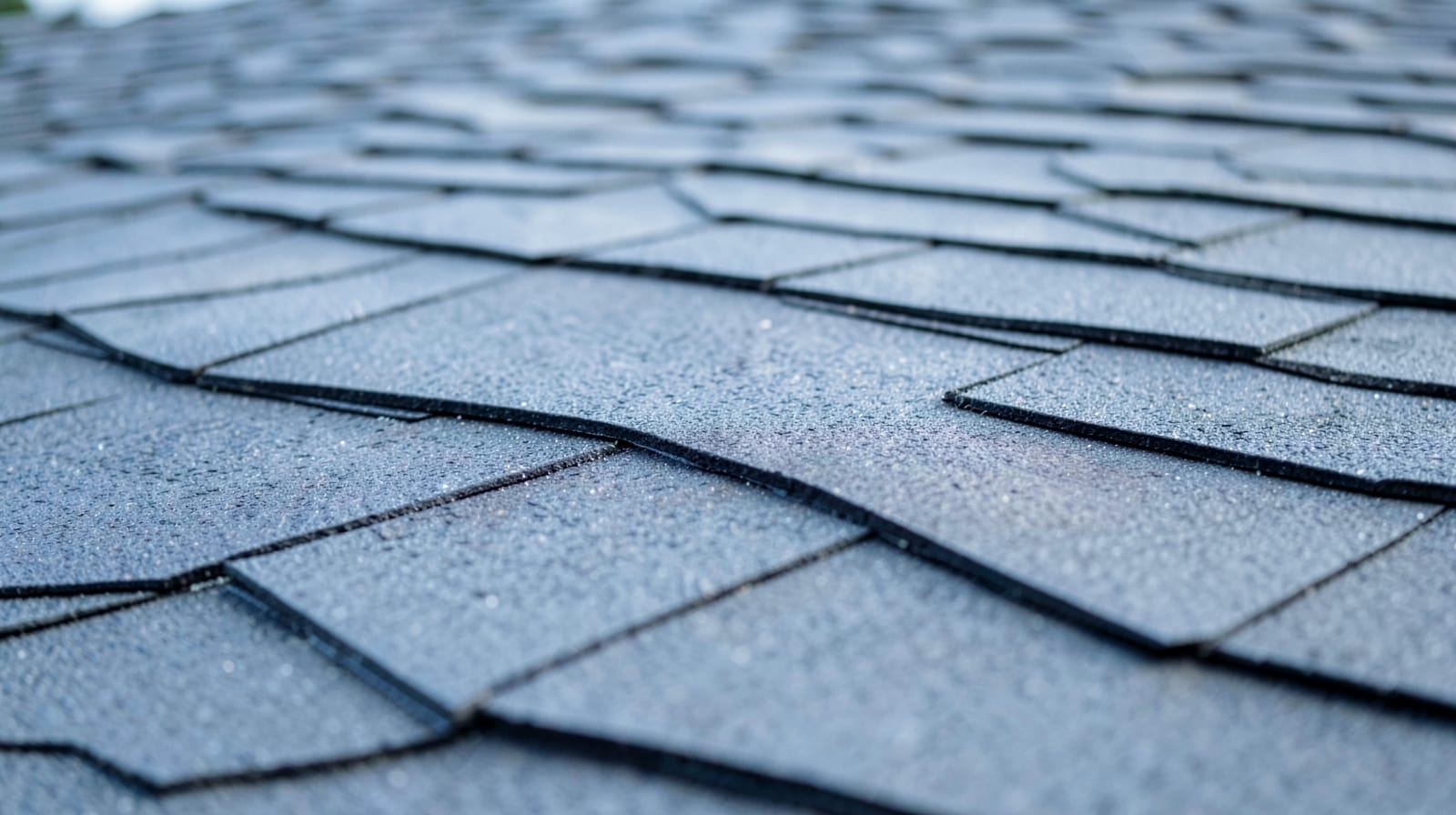
Roof material and slope assessment. The roof surface — asphalt shingle, tile, or metal — and its pitch are checked before setup, since asphalt shingles carry a protective granule coating that high pressure strips away, while tile and metal generally tolerate a wider pressure range.

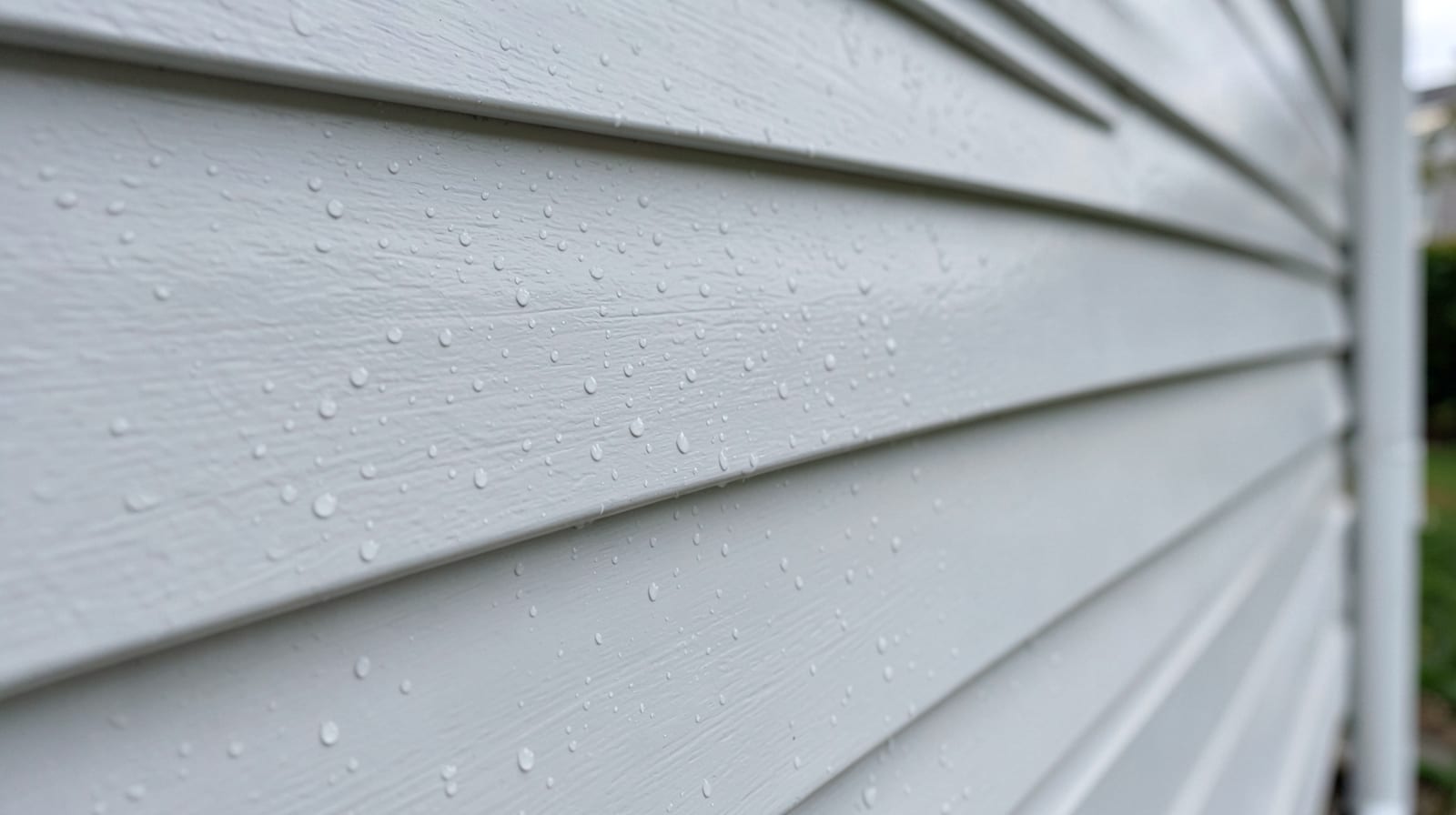
We also handle Stone Cleaning and Vinyl Siding Cleaning for Spartanburg properties.

Low-pressure soft wash. A biodegradable, algae-targeting solution is applied at low pressure and allowed to dwell on the roof surface, which is how professional roof cleaning removes black streaking and moss without a single high-pressure pass across the shingles.

Extended dwell time. The solution is left to work for a set dwell period rather than rinsed immediately, since the chemical action of the dwell time is what actually kills the algae at the root — rinsing early just moves surface staining around without addressing what is growing underneath it.

Gentle rinse from the ridge down. Rinsing runs from the ridge line down toward the gutters at low pressure, following the natural direction water already sheds off the roof, rather than working at an angle that could lift shingle edges or drive water up under a tab.

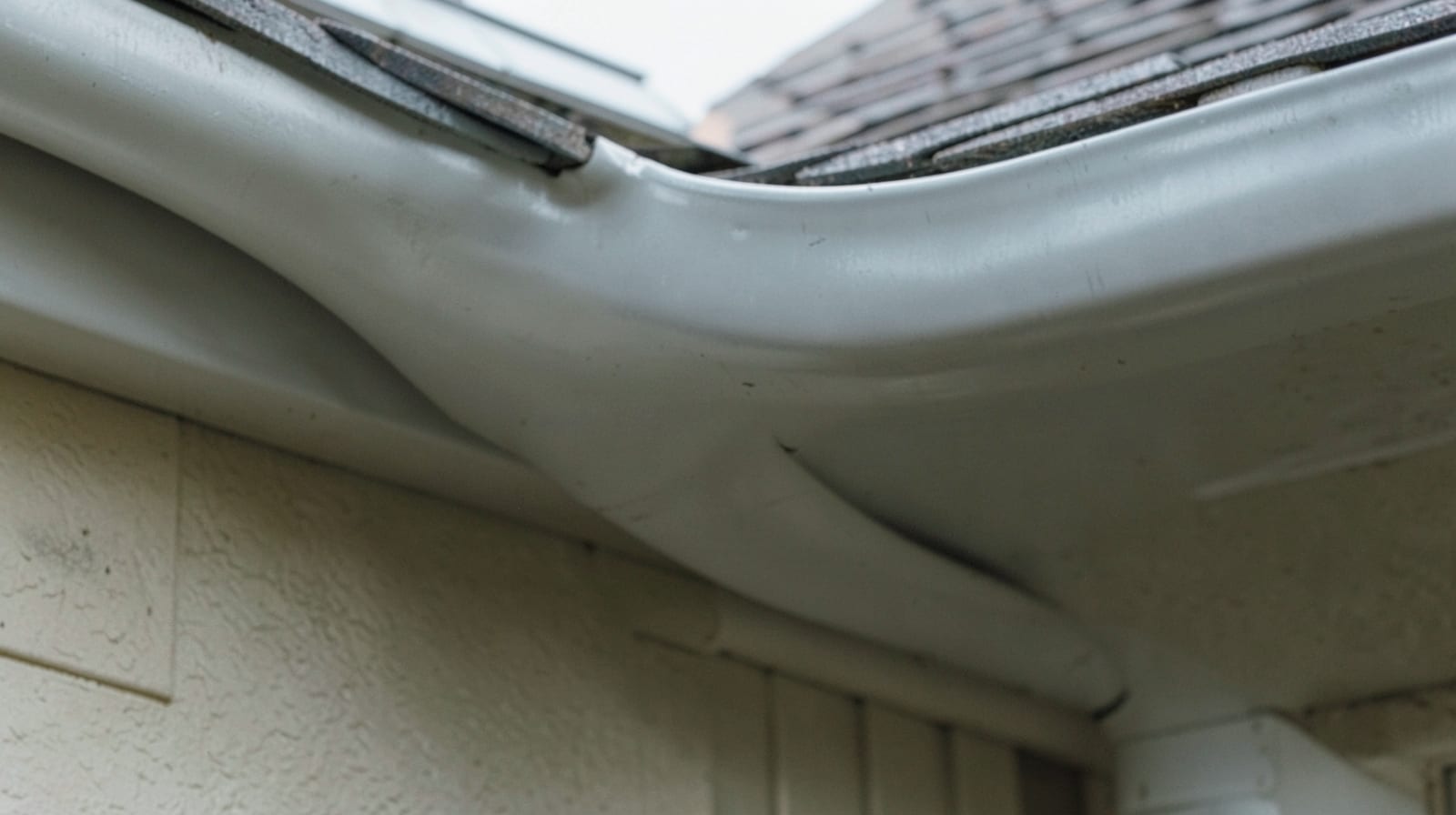
Gutter and downspout clearing. Loosened algae and debris that rinse down off the roof are cleared from the gutters and flushed through the downspouts as a final step, since leaving that residue sitting in the trough just reintroduces the same growth back onto the roof edge.

How to tell roof washing (soft wash) is needed

Roof buildup is easiest to spot from a distance rather than up close, which is convenient since climbing onto the roof to check isn't something most homeowners should do themselves. Dark streaking running vertically down from the ridge, a vent, or a chimney is algae growth rather than dirt or shadow, and it's the specific pattern soft-wash roof cleaning is built to address. Green, moss-like patches concentrated on the shaded side of the roof, or in valleys where debris collects, point to moss establishing itself, which holds moisture against the shingles longer than streaking algae does on its own.

A noticeable amount of gritty granules collecting in the gutters, more than seems normal for the roof's age, is worth mentioning separately when getting the roof looked at, since that's a different concern from surface cleaning. And a roof that reads as visibly blotchy or two-toned from the street, rather than evenly weathered, usually means growth has established unevenly rather than the whole surface aging at the same rate.

What goes wrong when roof washing (soft wash) is done badly

Granule loss from high pressure. Asphalt shingles are coated in a layer of protective granules that shield the underlying material from UV light, and direct high-pressure spray strips those granules off the shingle surface. Once they're gone they don't grow back, and the bare patches age and fail years ahead of the rest of the roof.

Lifted or cracked shingle tabs. Aiming pressure up and under a shingle tab instead of following the roof's natural downward water path can lift or crack the tab edge, creating a path for wind-driven rain to get underneath the shingle on the next storm.

Skipping dwell time. Rinsing a chemical roof treatment off too soon, before it's had time to actually work on the algae at the root, leaves the roof looking clean for a few weeks before the same staining returns — the dwell time is doing the real work, not the rinse.

What keeps the problem from coming back

Roof algae and moss are moisture-driven, so what changes how fast they come back after a cleaning is mostly about how long different parts of the roof stay wet. Thin strips of zinc or copper installed just below the ridge release trace metal ions with every rain that inhibit algae growth on the shingles below them — a widely used, low-cost measure that meaningfully slows the return of streaking. Trimming back branches that hang directly over the roof removes the shade that keeps that section slow to dry after rain, which is exactly the condition algae and moss need to get started.

Debris that collects in a roof valley or around a vent holds moisture against the shingles there far longer than an open section of roof, so clearing that specific debris periodically, separate from a full cleaning, keeps moss from getting a head start in those spots. And keeping the gutters clear matters here too, since an overflowing gutter can back water up under the lowest course of shingles at the roof edge.

What roof washing (soft wash) costs

73 per square foot. That range reflects soft washing a shingle roof — the low-pressure chemical method most local providers actually quote. High-pressure washing directly on a shingle roof is widely discouraged since it can strip granules, so "roof cleaning" quotes in this market almost always mean the soft-wash method.

This is general market pricing information for this kind of job, not an offer or a quote — what any particular job costs in the end depends on its scope, site conditions, and the provider selected. Source: HomeGuide / Power Wash Plus, 2026.

How to choose who does roof washing (soft wash)

Does the quote specify the PSI and method — pressure wash vs. soft wash — for each surface? The wrong PSI on siding, roofing, or wood can cause damage, so the method should be disclosed per surface, not left as one generic number. Is a written scope listing every surface included — driveway, siding, deck, roof, fencing — provided? Bundled pricing sometimes covers only one or two surfaces despite sounding comprehensive. Are the cleaning chemicals used, and their effect on nearby landscaping and pets, disclosed before the job? Soft-wash detergents vary in strength, and runoff can affect plants or pets nearby. Does the estimate distinguish concrete or driveway work from roof or siding work? Roof and siding washing typically require lower pressure and different technique than concrete, and pricing that lumps them together can hide risk. What is the policy if pressure washing reveals pre-existing damage, like cracked paint or loose mortar? Pre-existing conditions can surface once dirt is removed, so it helps to know how that gets handled before agreeing to the job. Is post-treatment sealing for driveways or decks included in the price or billed separately? Sealing is often an add-on, not part of a basic wash.

No mention of PSI or method — pressure vs. soft wash — for each surface. The wrong pressure on siding, roofing, or wood can cause real damage, and a quote that has not specified method per surface has not actually assessed the job. A price far below every comparable bid for the same square footage. An unusually low price can mean lower-grade equipment, no pre-treatment chemical, or rushed coverage that leaves streaking. No mention of what chemicals are used or their effect on landscaping. Undisclosed chemical strength is how plants and grass near the work area end up damaged. Full payment demanded before the job starts. Paying in full upfront removes leverage if streaking, missed spots, or damage shows up afterward. Pressure to add extra services on the spot without a separate written price. Add-ons proposed in the moment are harder to compare against other bids.

Where roof washing (soft wash) is covered

Roof Washing (Soft Wash) is covered across the Spartanburg area, including Arkwright, SC · Drayton, SC · Whitney, SC · Saxon, SC · Hilltop, SC · Ben Avon, SC · Arcadia, SC · Camp Croft, SC · Southern Shops, SC · Valley Falls, SC · Glendale, SC · Roebuck, SC · Fairforest, SC · Converse, SC · Clifton, SC · Boiling Springs, SC · Pauline, SC · Cowpens, SC · Pacolet, SC · Startex, SC · Wellford, SC · Central Pacolet, SC · Glenn Springs, SC · Mayo, SC · Inman, SC · Lyman, SC · Reidville, SC · Inman Mills, SC · Duncan, SC · Fingerville, SC.

For roof washing (soft wash) in the Spartanburg area, request a quote — coverage and pricing work the same across every town listed above.

See Arcadia, SC for more, or check out the rest of our Spartanburg lineup by neighborhood for our complete lineup.

Ready to get started?

Talk to a local pressure washing pro in Spartanburg — get a written quote.

Got Questions?

Common Questions About Pressure Washing in Spartanburg

Everything you need to know about pressure washing services in Spartanburg

How much does Roof Washing (Soft Wash) typically cost in Spartanburg, SC?

Driveway and walkway cleaning commonly runs around $0.15 to $0.35 per square foot, while a full house wash — siding, typically using a lower-pressure soft-wash method — more often falls in the $200 to $500 range depending on square footage and stories. Roof cleaning, which requires the gentlest method of the three, tends to price separately and higher per square foot than driveway work. A quote that doesn't separate these surfaces by method and price isn't giving a full picture of what's actually being done.

Why does algae and mildew growth on homes in Spartanburg, SC come back so quickly?

Sustained humidity keeps siding, roofing, and shaded concrete damp for longer stretches than drier climates allow, and algae specifically thrives on that lingering moisture combined with organic debris like pollen and leaf litter. A house washed once and left alone in a consistently humid climate can show visible regrowth within months rather than the year or more typical in a drier region. That's the main reason humid-climate homes are often recommended a twice-a-year schedule instead of once.

Can pressure washing strip paint or an existing sealant off a surface?

Yes, and on some surfaces that's actually the intended effect before repainting or resealing. On surfaces where the existing paint or sealant is meant to stay, too much pressure or too close a nozzle distance can peel or lift it unintentionally, especially where the coating was already thin or aging. Testing pressure on a small, inconspicuous area first is a standard precaution before working across an entire surface meant to keep its existing finish.

Is renting a pressure washer and doing the job at home a reasonable option?

For a driveway or patio, a rented consumer-grade pressure washer can produce a reasonable result with some care about angle and distance. Siding, stucco, and especially roofing are a different story — those surfaces are more forgiving of soft washing's lower pressure than a rented unit's fixed higher pressure, and the risk of gouging siding or lifting shingle granules is real without experience judging pressure and distance. Starting with the lowest effective pressure and testing an inconspicuous spot first reduces that risk.

How long does washing a typical house exterior take?

A single-story home's siding and walkways often take two to four hours including pre-treatment dwell time, while two-story homes or properties that include roof cleaning can run half a day or more. Heavy algae or mildew buildup that needs a longer dwell time, or extensive hardscaping — multiple walkways, a large patio, a long driveway — both add meaningfully to that estimate beyond square footage alone.

Can pressure washing damage concrete, pavers, or mortar joints?

Yes, particularly with older or already-deteriorating mortar and with paver joints filled with polymeric sand — too much pressure at close range can blast the sand or mortar right out of the joints, which then need refilling. Newer or well-sealed concrete generally tolerates higher pressure than older, more porous concrete that hasn't been sealed in years. A wider fan-tip nozzle held at a greater distance is the typical adjustment made where joint or surface erosion is a concern.
⚡ Serving Spartanburg & Nearby

Need Pressure Washing in Spartanburg?

Get a written quote from our Spartanburg crew.

⏰ We answer your call • Serving all of Spartanburg and surrounding areas

See the areas we serve