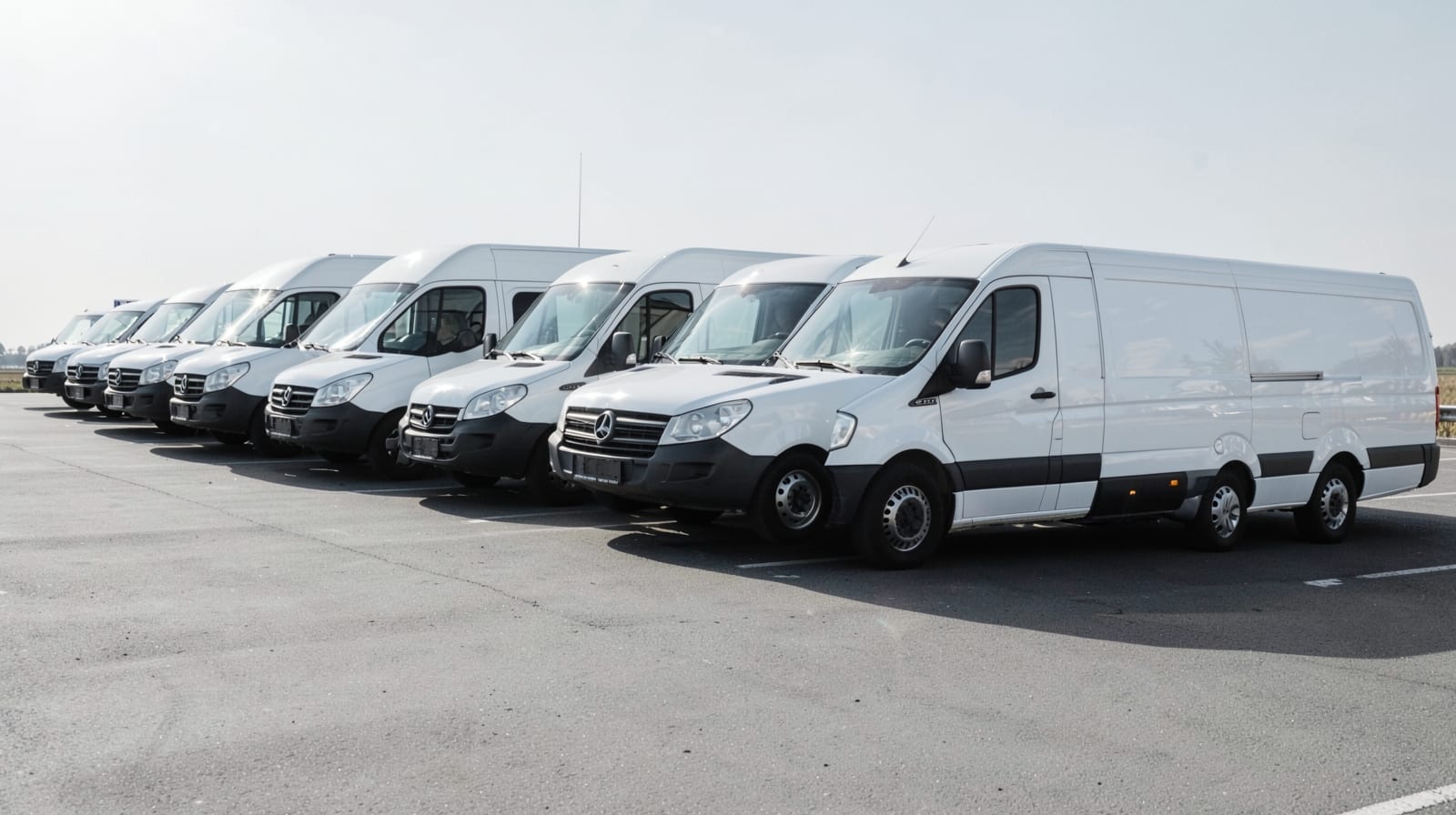
Fleet Washing
Mobile fleet washing for commercial vehicles in Spartanburg, SC — on-site cleaning for work trucks and vans.
Fleet washing in Spartanburg, SC brings professional pressure-washing equipment directly to your business location, cleaning entire fleets of work trucks or vans on-site without disrupting operations. This service efficiently removes grime, algae, and road film while protecting vehicles and surrounding surfaces.
When your fleet needs professional washing
Daily use exposes work vehicles to road grime, salt, and environmental contaminants that standard car washes can’t handle at scale. Fleet washing addresses this by bringing high-capacity equipment to your location, allowing all vehicles to be cleaned in a single visit.
We also handle Restaurant Exterior Washing and School Building Washing for Spartanburg properties.
Signs your fleet needs attention include visible streaking, chalky residue, or buildup in hard-to-reach areas like wheel wells and undercarriages. Regular washing not only maintains appearance but also protects paint and prevents long-term damage from corrosive materials.
Signs Your Fleet Needs Washing
- Green or black streaking on vehicle sides, especially in shaded areas
- Chalky residue when running a hand across the surface
- Cobwebs, dirt, or insect debris collecting in corners, under eaves, or around fixtures
- Visible grime or salt buildup in wheel wells and undercarriages
What affects fleet washing pricing in Spartanburg
Commercial pressure washing quotes in Spartanburg are typically project-based, with pricing influenced by several key factors. The total number of vehicles and their size play a major role, as does whether the service is scheduled on a recurring basis.
Additional considerations include water reclamation requirements, which some municipalities impose on commercial sites, and scheduling constraints to avoid disrupting business operations. Fleet washing often requires specialized equipment and detergents to handle large-scale cleaning efficiently.
Protecting your investment
Fleet washing isn’t just about aesthetics—it’s about preserving the lifespan of your vehicles. Dirt, salt, and contaminants can accelerate wear and tear, leading to costly repairs or replacements down the line.
Using the right detergents and techniques ensures that your fleet is cleaned thoroughly without risking damage to paint, decals, or sensitive components. This proactive approach helps maintain resale value and extends the life of your vehicles.
Using the wrong pressure or technique can force water behind siding seams or damage vehicle finishes. Always confirm the PSI and method for each surface before work begins.
How fleet washing works
Professional fleet washing follows a systematic process to ensure thorough and safe cleaning.
- 1Pre-Treatment and Protection
Landscaping near the vehicles is wetted down and covered, and any sensitive fixtures are bagged. A detergent formulated for the vehicle surfaces is applied at low pressure and left to dwell, breaking down contaminants chemically.
- 2Soft-Wash Rinse
The vehicles are rinsed at low pressure (under 500 psi) using a wide-fan tip, working top to bottom in overlapping passes to avoid streaking.
- 3Spot Treatment
Areas with heavier staining or stubborn grime receive a second, more concentrated pass rather than increased pressure to prevent damage.
- 4Final Rinse and Inspection
A clear-water final rinse removes any remaining detergent residue. The finished vehicles are inspected for missed spots or potential damage.
Frequently asked questions
How often should I schedule fleet washing for my business?
The frequency depends on your fleet’s usage and exposure to contaminants. For most businesses, a monthly or bi-monthly schedule keeps vehicles looking professional and protected. High-usage fleets in harsh environments may need more frequent cleaning.
Will the cleaning chemicals harm my landscaping or nearby plants?
Reputable providers use eco-friendly detergents and take precautions to protect surrounding vegetation. Always confirm the chemicals used and their effects on landscaping before the job begins.
Can fleet washing be done during business hours?
Yes, but it often depends on the size of your fleet and the space available. Many businesses opt for after-hours or weekend scheduling to minimize disruption.
What should I look for in a fleet washing quote?
Ensure the quote specifies the PSI and method for each surface, lists all surfaces included, and discloses the cleaning chemicals used. Be wary of quotes that lump together different surfaces or demand full payment upfront.
See Arcadia, SC for more, or explore the rest of our Spartanburg lineup step by step for our complete lineup.
Ready to get started?
Talk to a local pressure washing pro in Spartanburg — get a written quote.
Other Pressure Washing Services in Spartanburg
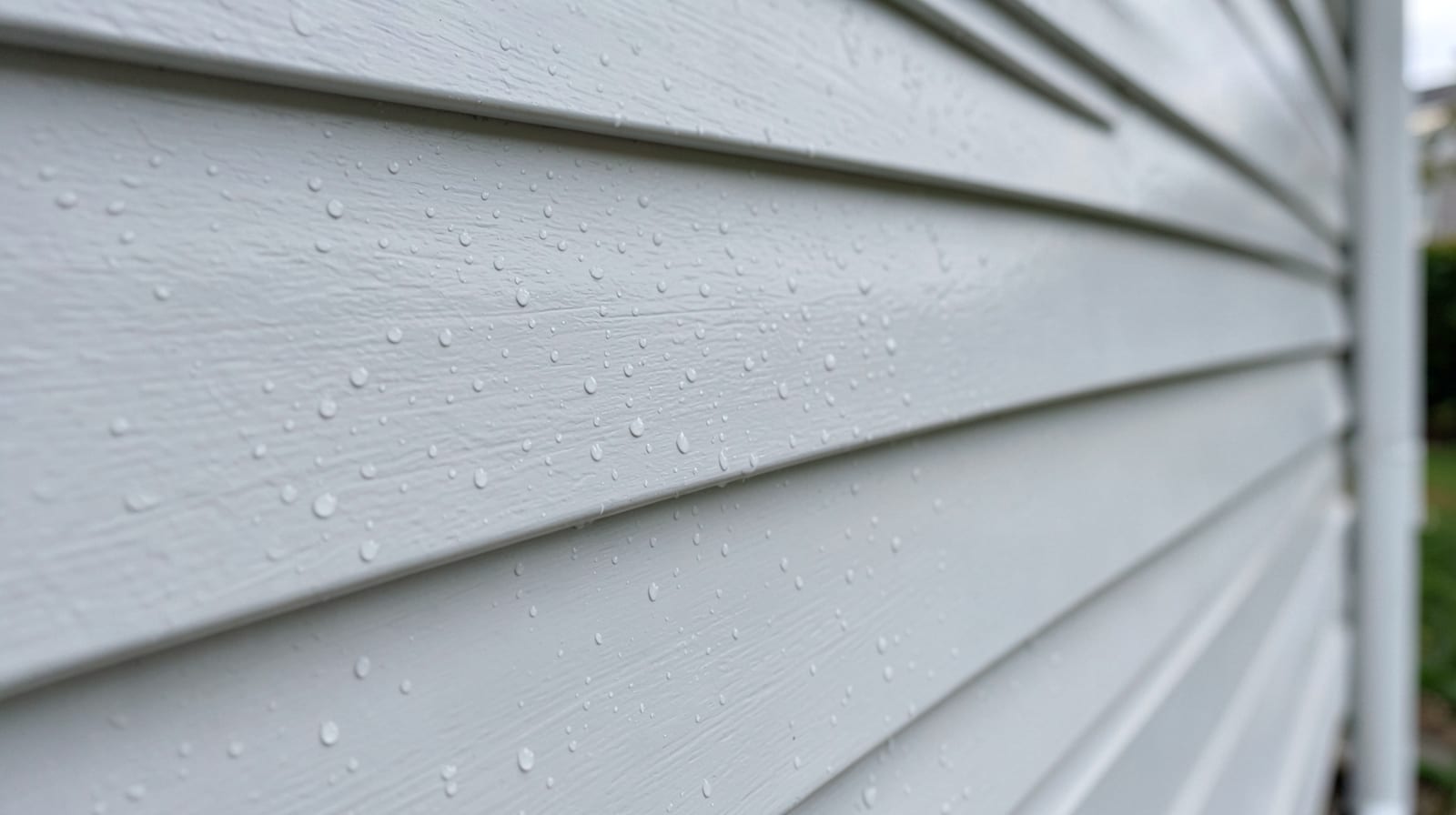
Restaurant Exterior Washing in Spartanburg, SC
Restaurant Exterior Washing in Spartanburg, SC — high-pressure cleaning of restaurant building exteriors, sidewalks, and outdoor surfaces to remove grime and stains.
Learn More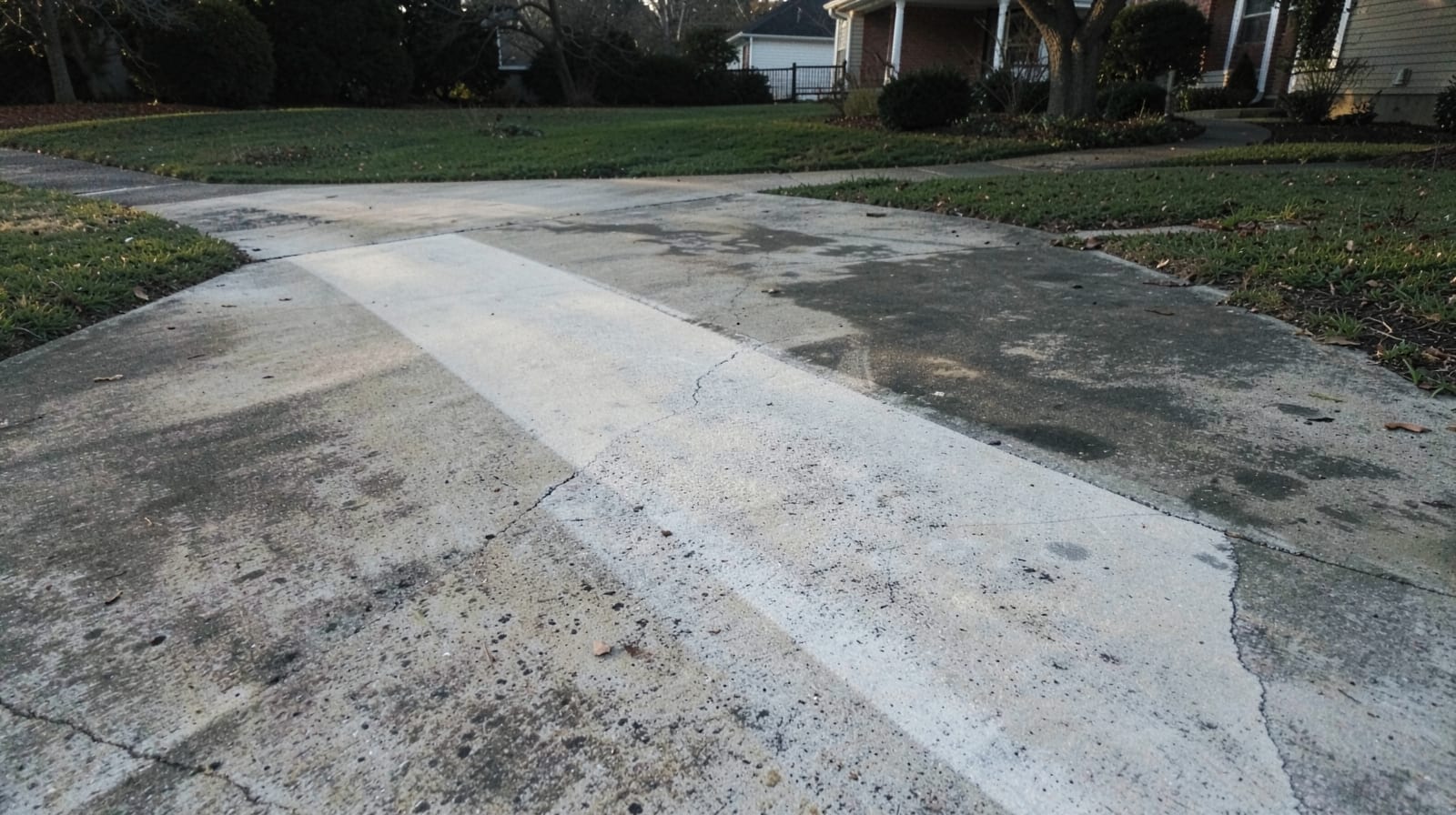
School Building Washing in Spartanburg, SC
School Building Washing in Spartanburg, SC — high-pressure cleaning of school building exteriors to remove dirt, grime, and stains.
Learn More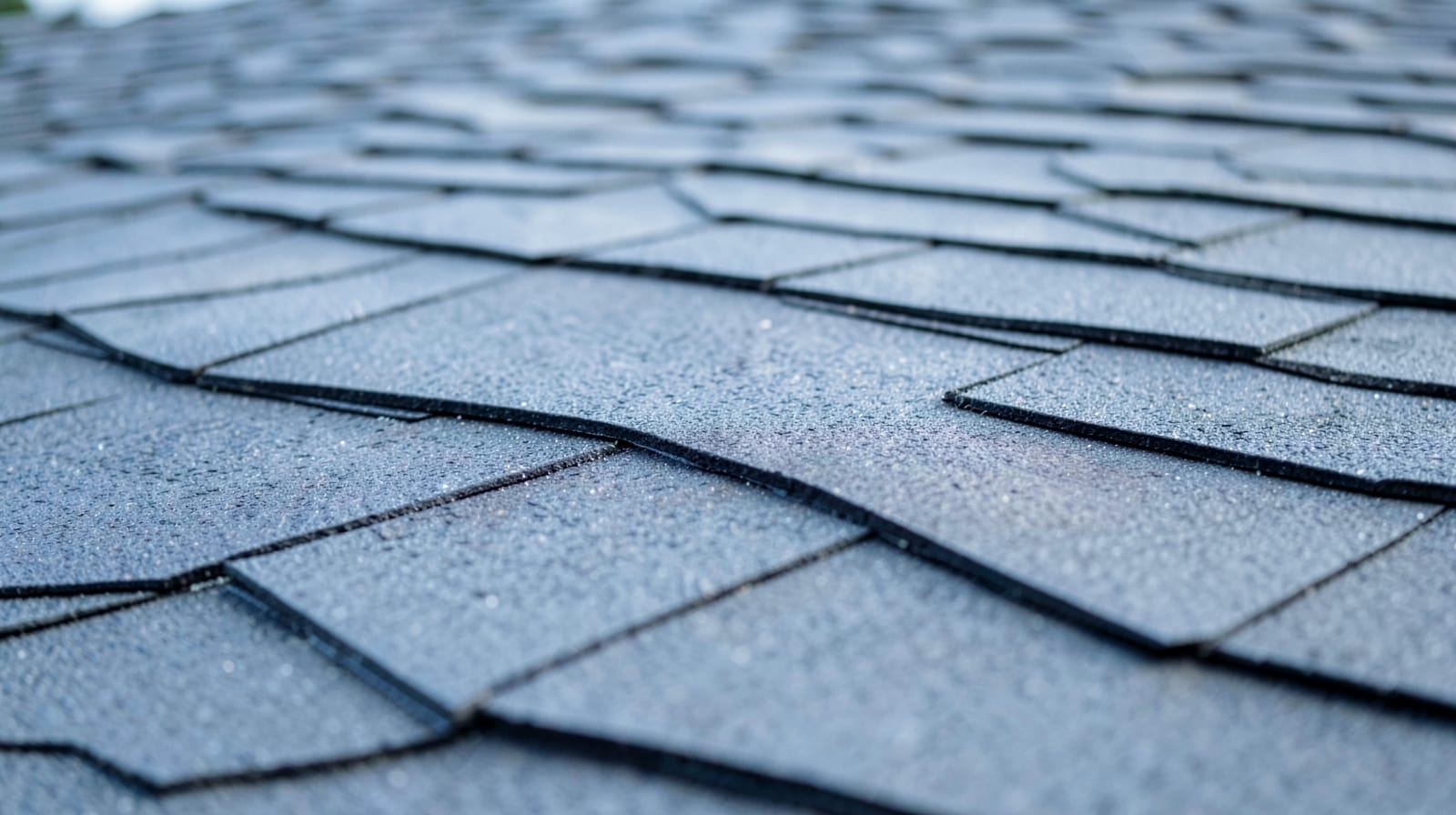
Medical Clinic Exterior Washing in Spartanburg, SC
Medical Clinic Exterior Washing in Spartanburg, SC — high-pressure cleaning of medical clinic exteriors to remove dirt, grime, and contaminants.
Learn More
New Construction Final Clean in Spartanburg, SC
New Construction Final Clean in Spartanburg, SC — thorough post-construction cleanup using pressure washing to remove debris, dust, and residue from new builds.
Learn More
Hard Water Stain Removal in Spartanburg, SC
Hard Water Stain Removal in Spartanburg, SC — pressure washing to remove hard water stains from exterior surfaces.
Learn More
Salt Deposit Removal in Spartanburg, SC
Salt Deposit Removal in Spartanburg, SC — high-pressure washing to remove salt deposits from surfaces like driveways and sidewalks.
Learn MoreCommon Questions About Pressure Washing in Spartanburg
Everything you need to know about pressure washing services in Spartanburg
How much does Fleet Washing typically cost in Spartanburg, SC?
Why does algae and mildew growth on homes in Spartanburg, SC come back so quickly?
What are the actual named steps in a professional pressure washing job?
Can the wrong PSI actually damage a house or driveway?
What's the actual difference between pressure washing and soft washing?
How often should a home's exterior actually be washed?
Need Pressure Washing in Spartanburg?
Get a written quote from our Spartanburg crew.
⏰ We answer your call • Serving all of Spartanburg and surrounding areas