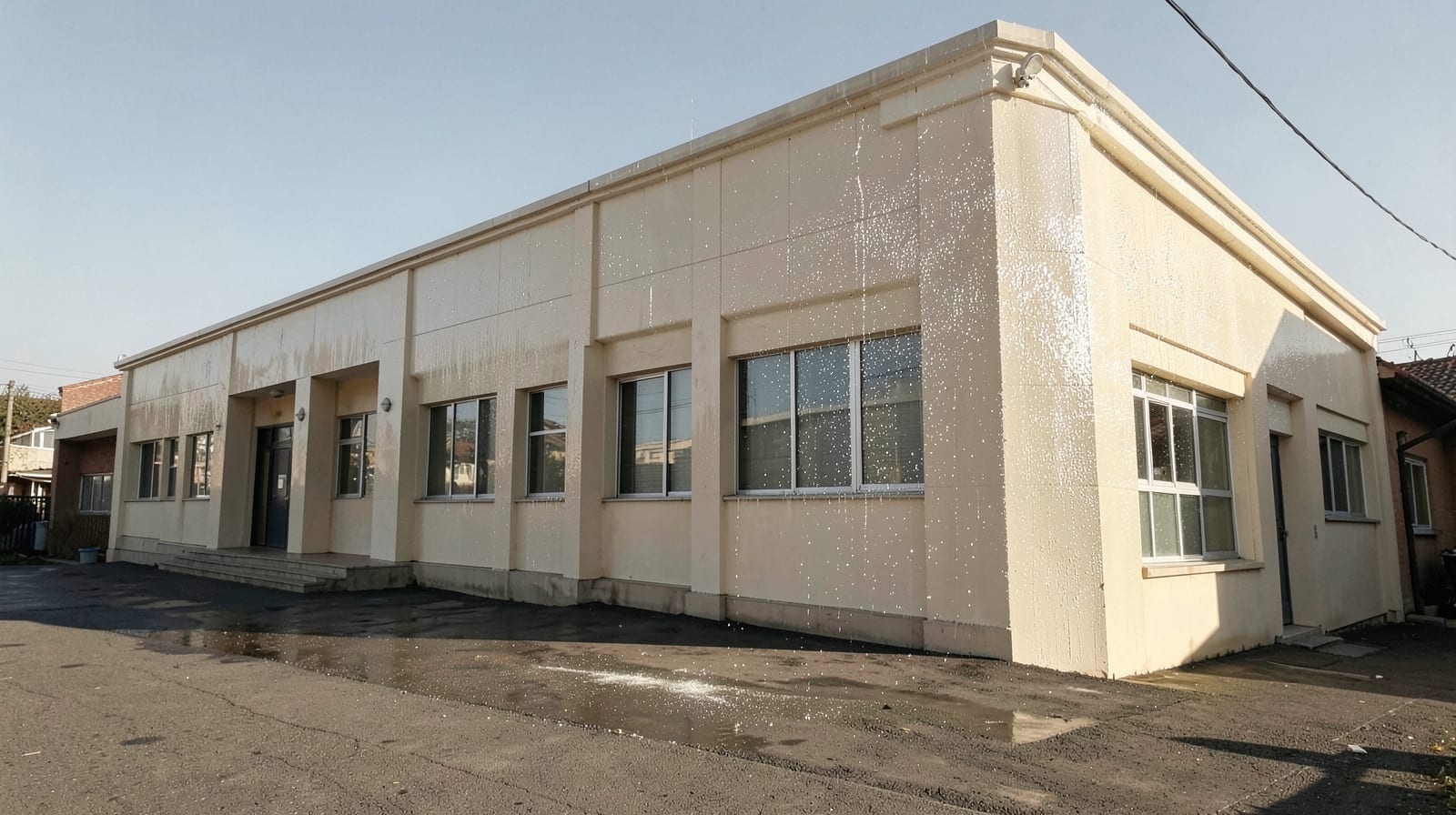
School Building Washing
School Building Washing in Spartanburg, SC — high-pressure cleaning of school building exteriors to remove dirt, grime, and stains.
School building washing in Spartanburg, SC uses high-pressure water and specialized detergents to remove dirt, algae, and pollution from exterior surfaces like brick, siding, and concrete, restoring appearance and protecting materials from long-term damage.
Signs your school building needs washing
Algae and mildew often appear as green or black streaks on shaded sides of a building, spreading steadily once established. These stains are biological, not just dirt, and require chemical treatment to remove effectively.
We also handle Commercial Pressure Washing and Graffiti Removal for Spartanburg properties.
A chalky residue on the surface or visible grime in corners, under eaves, and around light fixtures signals accumulated dirt. Comparing covered areas (like behind a mounted sign) to exposed surfaces reveals the true extent of fading or soiling.
Quick Checks to Spot Dirt Buildup
- Green or black streaking on north-facing or shaded walls
- Fine chalky residue when running a hand across the surface
- Cobwebs, dirt, or insect debris in corners and under eaves
- Visible contrast between covered and exposed areas (e.g., behind a house number or planter)
What affects school building washing costs in Spartanburg
Commercial pressure washing projects, like school buildings, are typically priced per project after a walkthrough. Factors include total square footage, water reclamation requirements, and scheduling around foot traffic or operating hours.
Other considerations are the number of buildings or structures, the need for specialized equipment, and whether the job includes recurring maintenance.
Common mistakes to avoid
Using the wrong pressure for the material can crack stucco, split vinyl seams, or strip finishes. Always match the PSI and method (pressure vs. soft wash) to the surface.
Forcing water behind siding or into seams can lead to hidden mold or rot. Proper technique and pre-treatment prevent this damage.
No mention of PSI or method per surface, unusually low prices, undisclosed chemicals, or full payment demanded upfront can signal hidden risks or poor workmanship.
How school building washing works
A thorough, safe wash requires preparation, chemical treatment, and careful rinsing.
- 1Preparation
Landscaping is wetted down and covered, and exterior outlets or fixtures are bagged to protect plants and electrical components from runoff and overspray.
- 2Detergent Pre-Treatment
A cleaning solution tailored to the siding material is applied at low pressure and left to dwell, breaking down algae and mildew chemically.
- 3Soft-Wash Rinse
The siding is rinsed at low pressure (under 500 psi) with a wide-fan tip, working top to bottom in overlapping passes at a consistent speed to avoid streaking.
- 4Spot Treatment and Inspection
Stubborn stains receive a second, more concentrated pass, and a final rinse removes detergent residue. The finished surface is inspected in daylight for missed spots or damage.
Frequently asked questions
How often should a school building be washed?
Frequency depends on moisture exposure. North-facing or shaded sections may need attention sooner. Trimming vegetation and fixing clogged gutters can extend the time between washes.
Can pressure washing damage siding?
Yes, if the wrong pressure or technique is used. Vinyl, stucco, and fiber cement each tolerate different PSI levels. Soft-wash methods are safer for delicate surfaces.
What should I look for in a school building washing quote?
A detailed scope listing every surface, specified PSI and method per material, disclosed chemicals, and a policy for pre-existing damage revealed during cleaning.
Why does my building get dirty so quickly after washing?
Re-soiling is often due to moisture exposure. Vegetation touching the siding, misdirected sprinklers, or clogged gutters can keep sections damp, promoting algae growth.
See Inman Mills, SC for more, or take a look at what we cover for Spartanburg properties across the area for our complete lineup.
Ready to get started?
Talk to a local pressure washing pro in Spartanburg — get a written quote.
Other Pressure Washing Services in Spartanburg
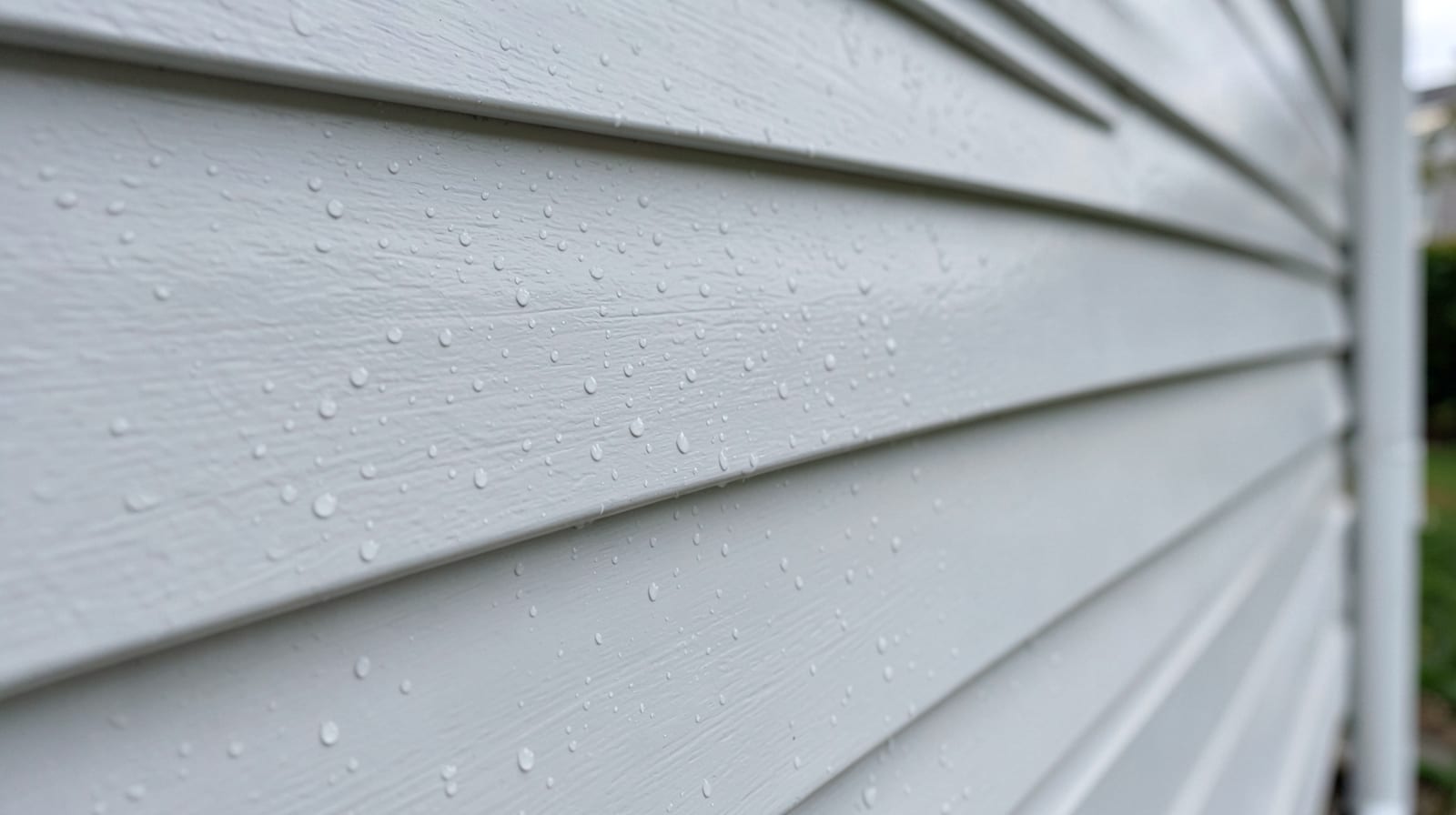
Commercial Pressure Washing in Spartanburg, SC
Pressure washing for storefronts, parking lots, and commercial properties in Spartanburg, SC.
Learn More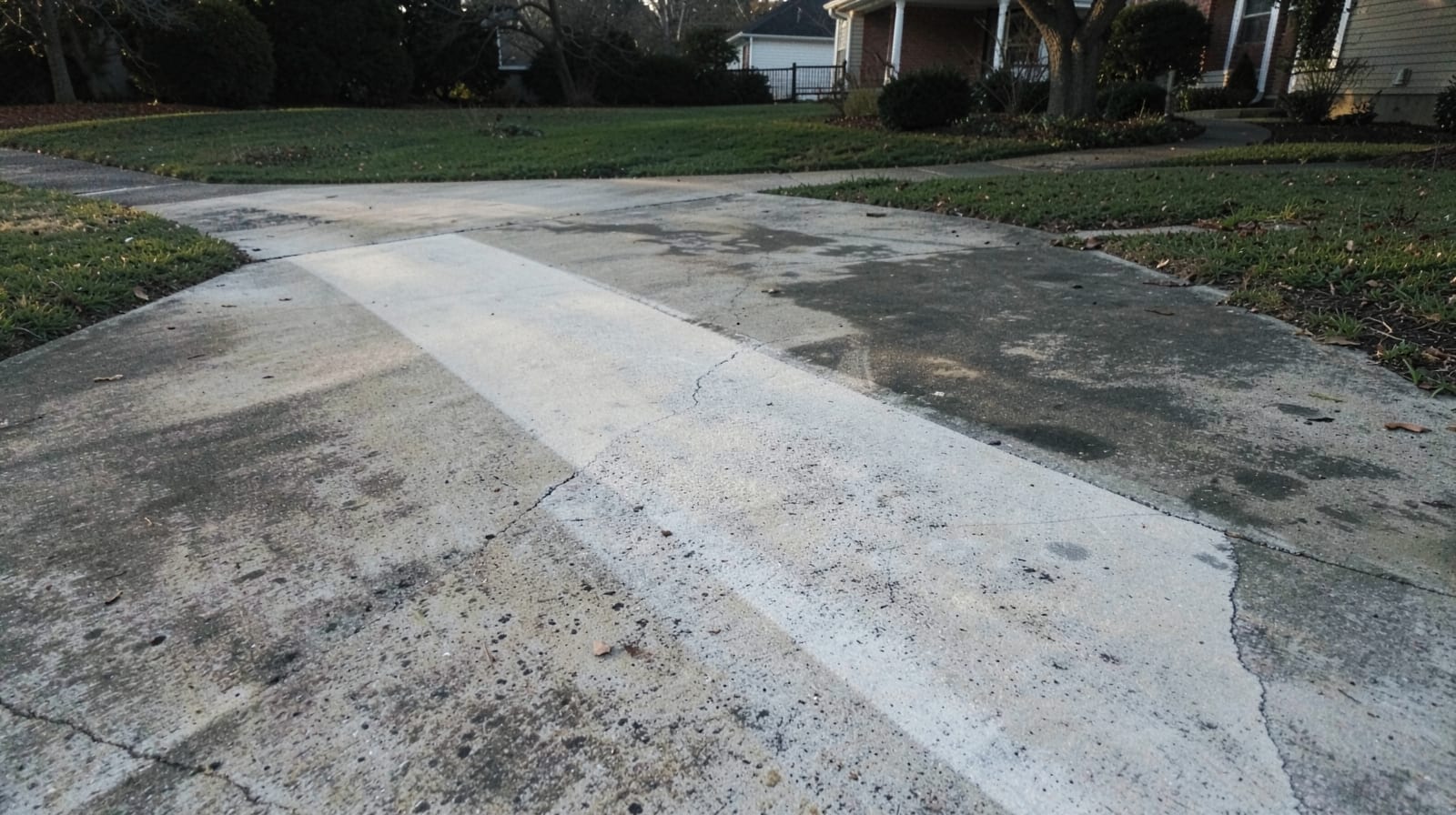
Graffiti Removal in Spartanburg, SC
Graffiti removal from exterior walls and surfaces in Spartanburg, SC.
Learn More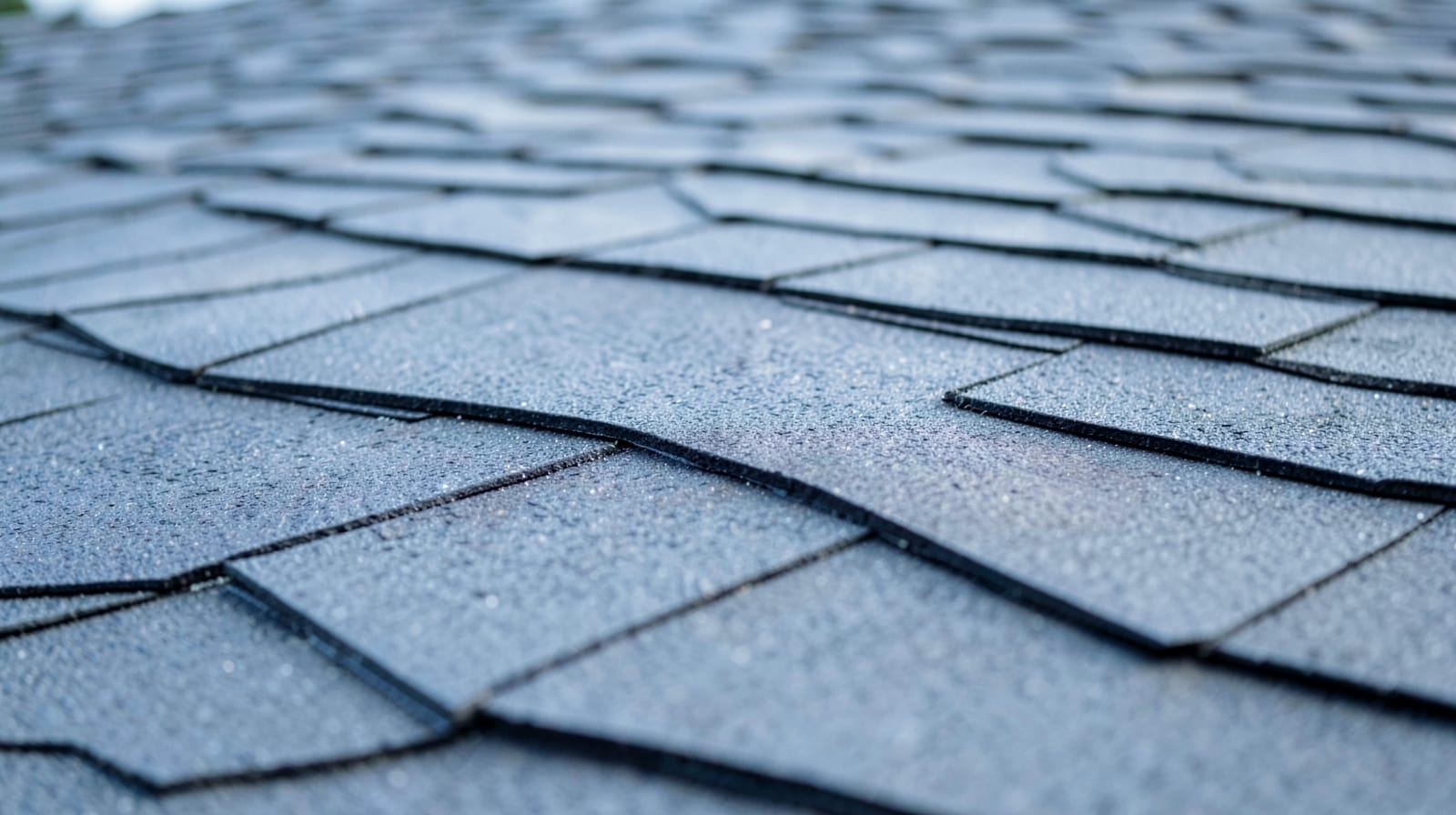
Solar Panel Cleaning in Spartanburg, SC
Solar panel cleaning in Spartanburg, SC — low-pressure, purified-water rinse that restores panel output without scratching the glass.
Learn More
Fleet Washing in Spartanburg, SC
Mobile fleet washing for commercial vehicles in Spartanburg, SC — on-site cleaning for work trucks and vans.
Learn More
Dumpster Pad Cleaning in Spartanburg, SC
Commercial dumpster pad cleaning in Spartanburg, SC — hot-water sanitizing for grease, odor, and staining.
Learn More
Paver Sealing in Spartanburg, SC
Paver sealing in Spartanburg, SC — a protective, wet-look finish applied after cleaning to lock in color and block stains.
Learn MoreCommon Questions About Pressure Washing in Spartanburg
Everything you need to know about pressure washing services in Spartanburg
How much does School Building Washing typically cost in Spartanburg, SC?
Why does algae and mildew growth on homes in Spartanburg, SC come back so quickly?
Can the wrong PSI actually damage a house or driveway?
What's the actual difference between pressure washing and soft washing?
How often should a home's exterior actually be washed?
Are the cleaning chemicals used in soft washing safe for landscaping and pets?
Need Pressure Washing in Spartanburg?
Get a written quote from our Spartanburg crew.
⏰ We answer your call • Serving all of Spartanburg and surrounding areas