Paver Sealing
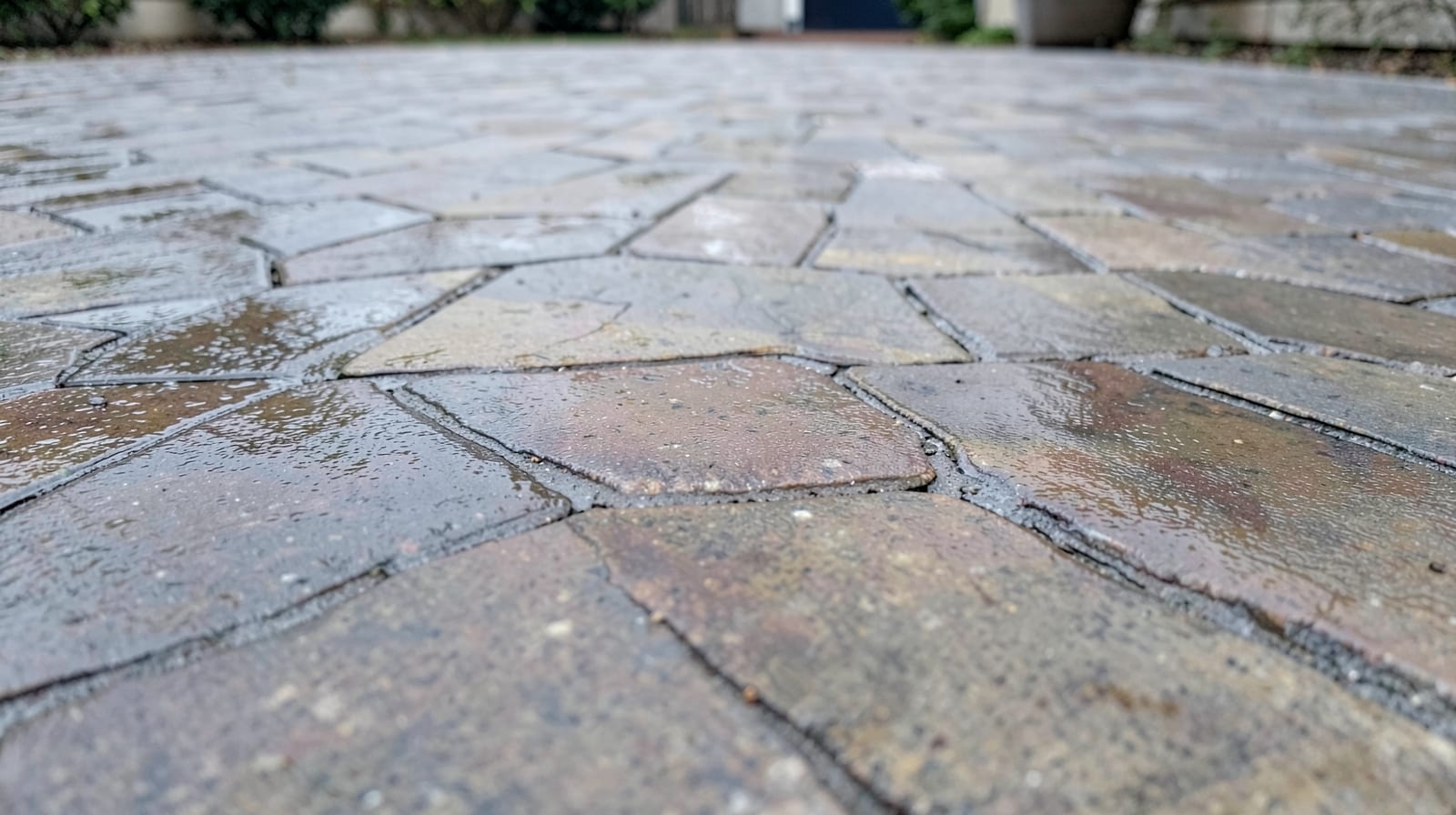
Paver sealing in Spartanburg, SC — a protective, wet-look finish applied after cleaning to lock in color and block stains.
Paver sealing in Spartanburg, SC protects your hardscapes after a deep clean by filling porous surfaces to resist stains, algae, and weeds. Without sealing, pavers quickly reabsorb dirt, oil, and organic growth, undoing the benefits of pressure washing within a season or two.
Signs your pavers need sealing
Unsealed pavers show their vulnerability in specific ways. Dark oil, tire, or rust stains that spread at the edges over time indicate deep penetration that water alone won’t remove. A slick, slippery feel when wet often signals algae or mildew buildup, while a white, powdery haze is efflorescence—a mineral deposit requiring targeted treatment.
We also handle Restaurant Exterior Washing and School Building Washing for Spartanburg properties.
Shaded corners or low spots that stay damp may develop green or black tinge from algae. These issues return quickly if the surface isn’t sealed after cleaning, as the pores remain open to the same contaminants.
Common Indicators for Paver Sealing
- Dark oil, tire, or rust stains that don’t fade after rain and spread outward over time
- Slippery surface when wet, indicating algae or mildew film
- White, powdery haze (efflorescence) on the paver surface
- Green or black tinge in shaded, damp areas where water pools
- Visible weeds or grass growing between pavers, signaling unfilled joints
What affects pricing and timing
Pricing for paver sealing in Spartanburg depends on the square footage, condition of the pavers, and whether pre-treatment for stains or efflorescence is required. Decorative or stamped pavers may need specialized cleaning methods to avoid damaging their finish, adding to the cost.
Timing varies based on weather and surface preparation. Pavers must be fully clean and dry before sealing, which can take 24–48 hours after washing. Humidity and temperature also impact curing times for sealers.
How paver sealing works
Sealing pavers is a multi-step process to ensure long-lasting protection.
- 1Pre-Cleaning Inspection
Surfaces are checked for material type (stamped, colored, or plain concrete) to determine the appropriate pressure and cleaning method, preventing damage to sealed or decorative finishes.
- 2Detergent Application
A degreasing or stain-lifting solution is applied to oil spots, tire marks, and organic stains, then left to dwell. This prevents staining from spreading outward under pressure.
- 3Surface Cleaning Pass
The pavers are cleaned in overlapping passes with a surface cleaner attachment at a consistent distance and angle, ensuring an even result without ringed or striped patterns.
- 4Edge and Joint Detailing
Expansion joints, edges, and corners are cleaned separately at a lower pressure to avoid etching, using a wand held at a safe distance.
- 5Sealing Application
After a final clear-water rinse and runoff containment, a penetrating or film-forming sealer is applied to fill pores and protect against future stains, algae, and weeds.
Frequently asked questions
Why do my pavers look clean after pressure washing but get dirty again so quickly?
Pressure washing removes surface dirt, but unsealed pavers remain porous. Without sealing, the same stains, algae, and weeds will reappear within a season or two as contaminants re-enter the open pores.
Can I seal my pavers myself, or should I hire a professional?
While DIY sealing is possible, professionals ensure the surface is properly prepared, the right sealer is used for your paver type, and the application is even. Improper sealing can lead to uneven protection or a blotchy finish.
How long does paver sealing last in Spartanburg’s climate?
Penetrating sealers typically last 3–5 years, while film-forming sealers may need reapplication every 1–3 years, depending on weather exposure, foot traffic, and maintenance. Routine sweeping and prompt stain cleanup extend the life of the seal.
What should I look for in a quote for paver sealing?
Ensure the quote specifies the PSI and method (pressure wash vs. soft wash) for each surface, includes a written scope of work, and discloses the chemicals used and their impact on landscaping. Sealing should be listed separately if it’s not part of the base price.
See Arcadia, SC for more, or see our full crew's Spartanburg services step by step for our complete lineup.
Ready to get started?
Talk to a local pressure washing pro in Spartanburg — get a written quote.
Other Pressure Washing Services in Spartanburg
Restaurant Exterior Washing in Spartanburg, SC
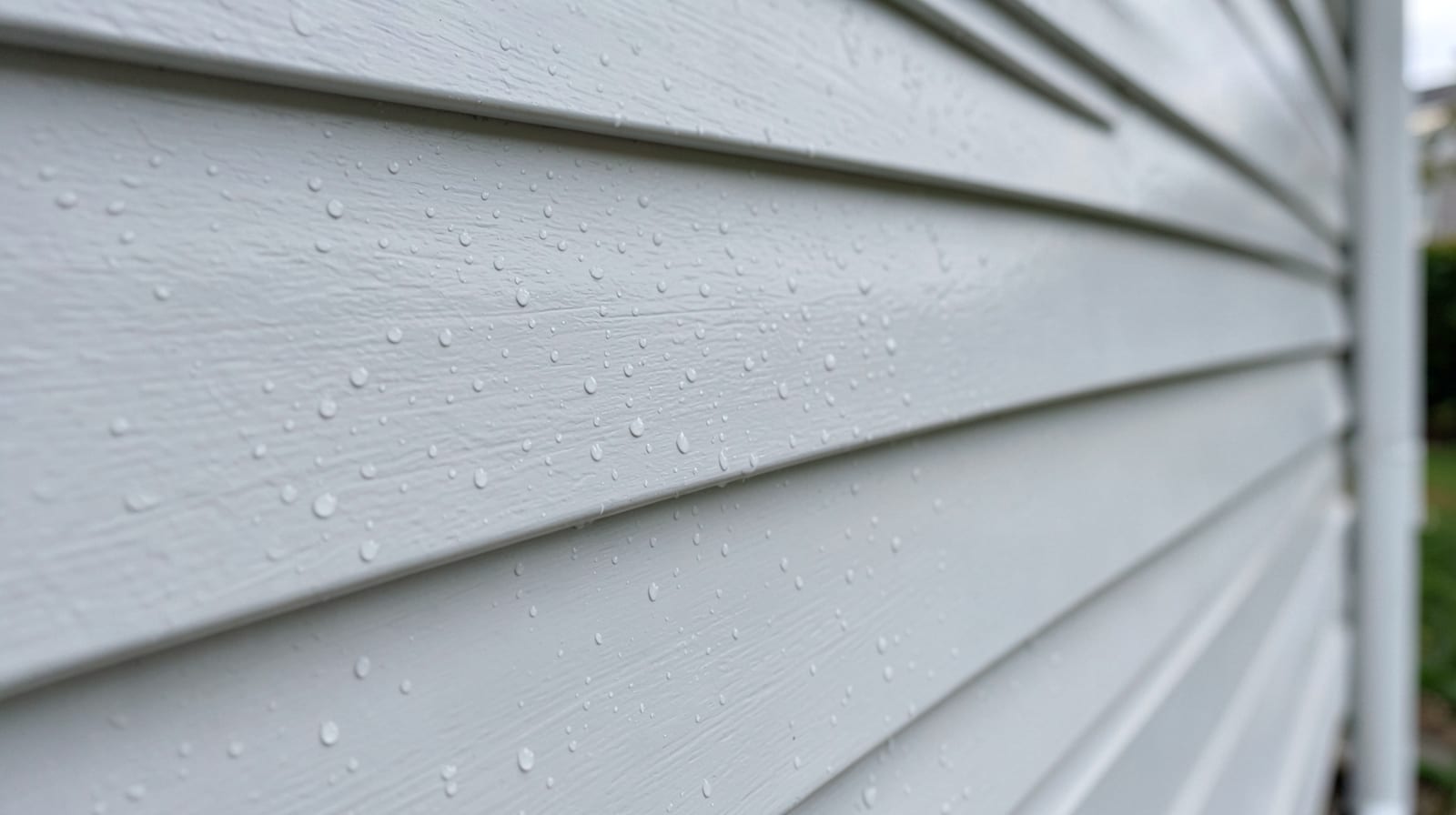
Restaurant Exterior Washing in Spartanburg, SC — high-pressure cleaning of restaurant building exteriors, sidewalks, and outdoor surfaces to remove grime and stains.
Learn More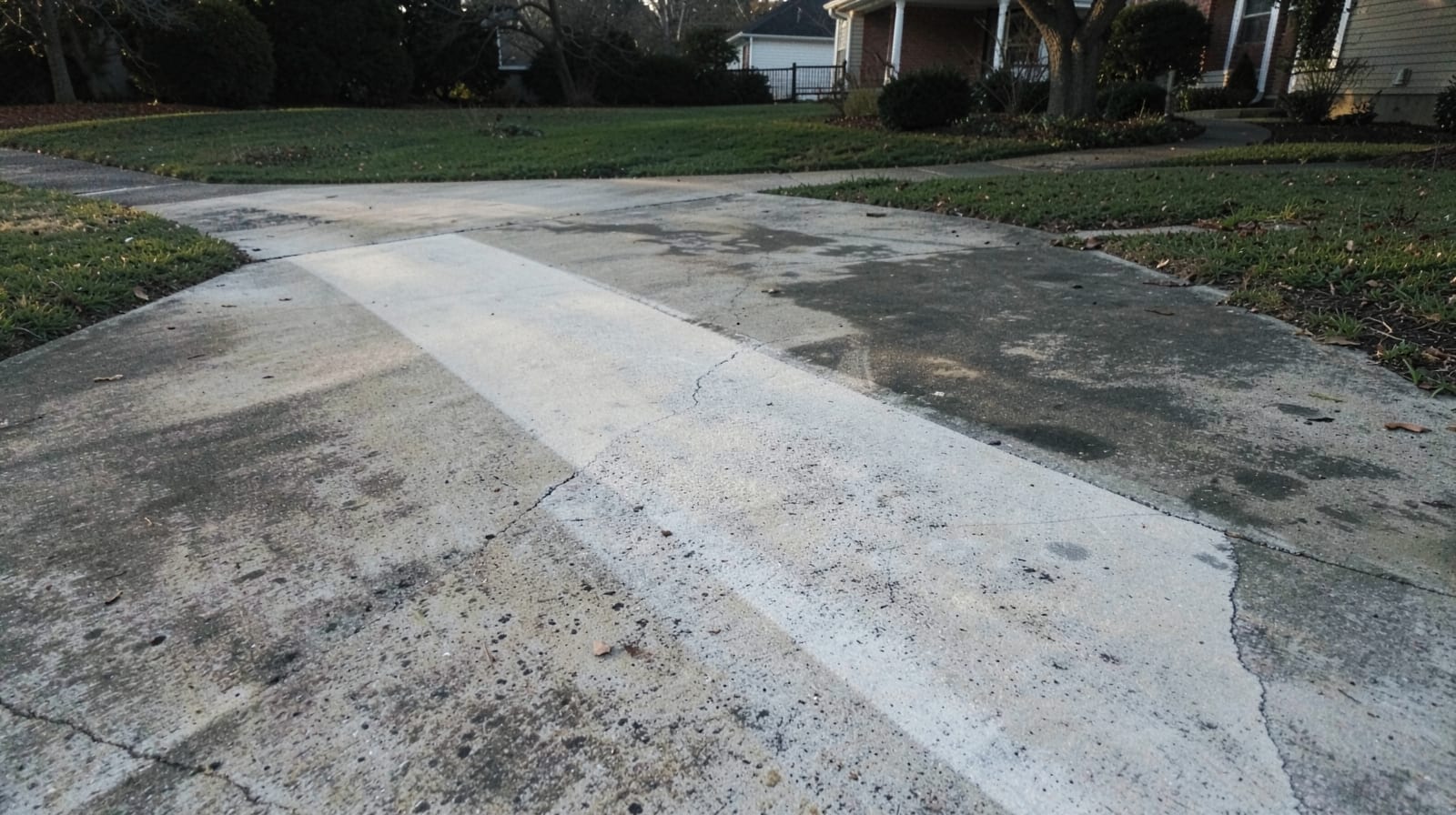
School Building Washing in Spartanburg, SC
School Building Washing in Spartanburg, SC — high-pressure cleaning of school building exteriors to remove dirt, grime, and stains.
Learn More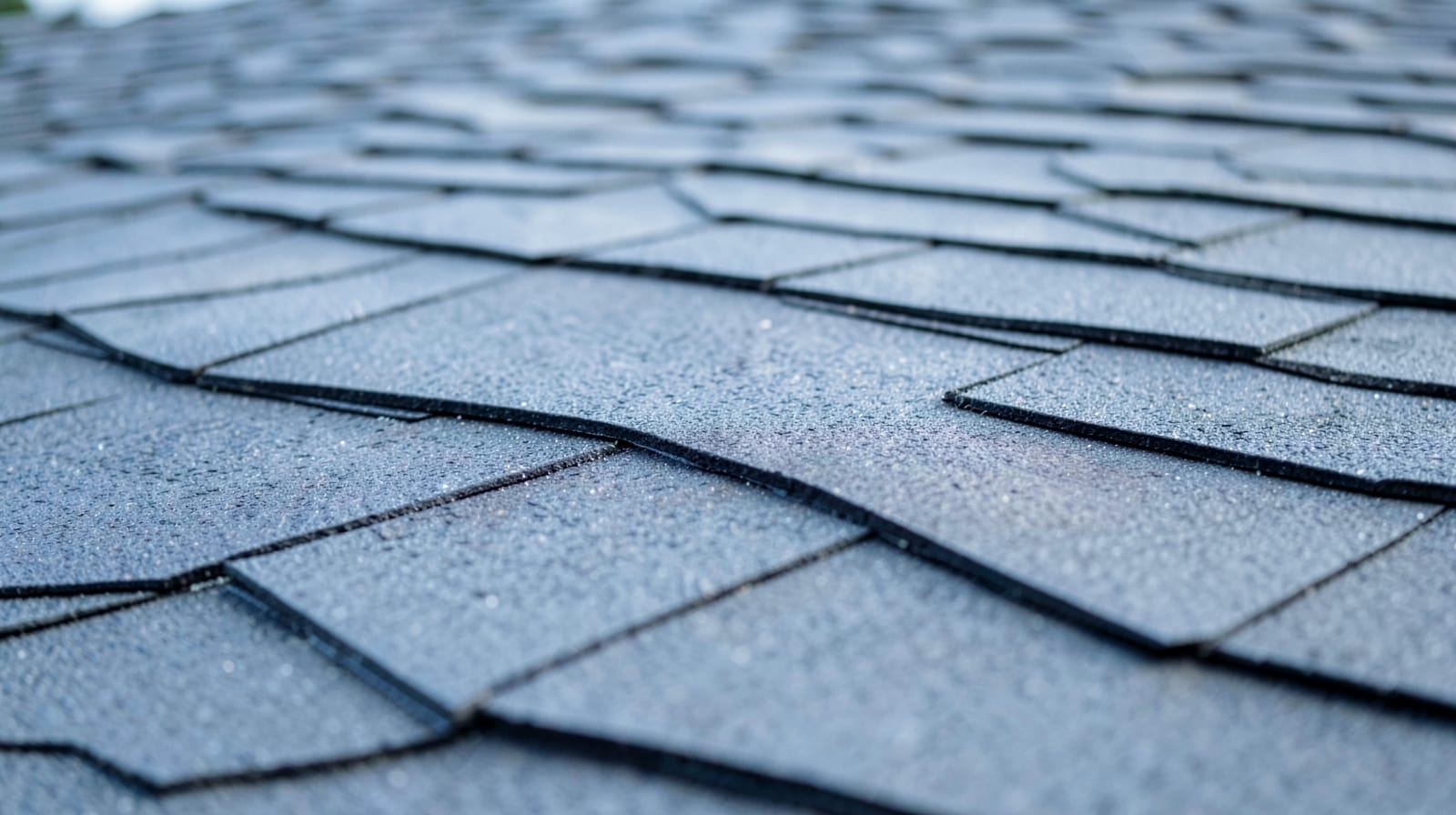
Medical Clinic Exterior Washing in Spartanburg, SC
Medical Clinic Exterior Washing in Spartanburg, SC — high-pressure cleaning of medical clinic exteriors to remove dirt, grime, and contaminants.
Learn More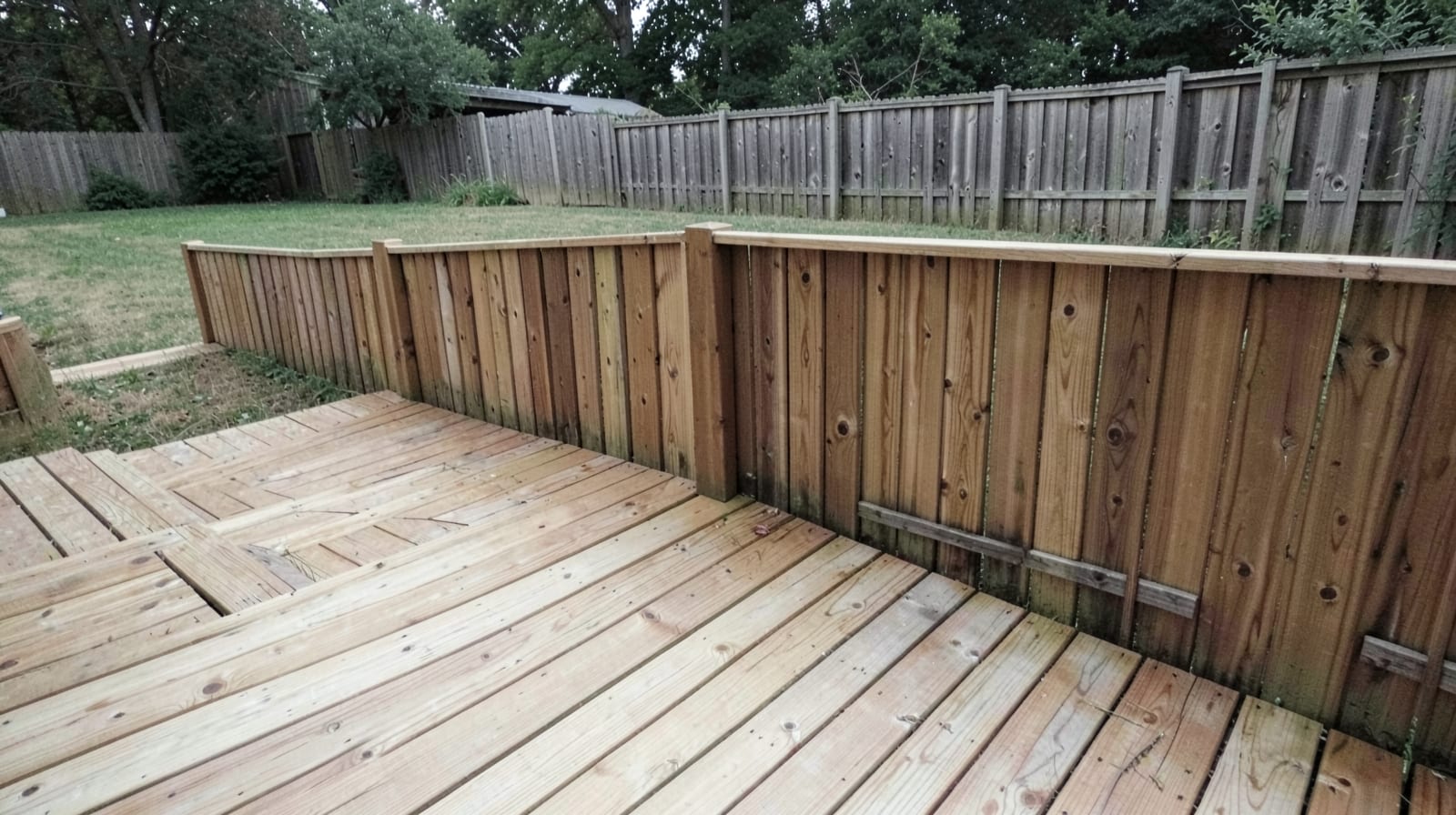
New Construction Final Clean in Spartanburg, SC
New Construction Final Clean in Spartanburg, SC — thorough post-construction cleanup using pressure washing to remove debris, dust, and residue from new builds.
Learn More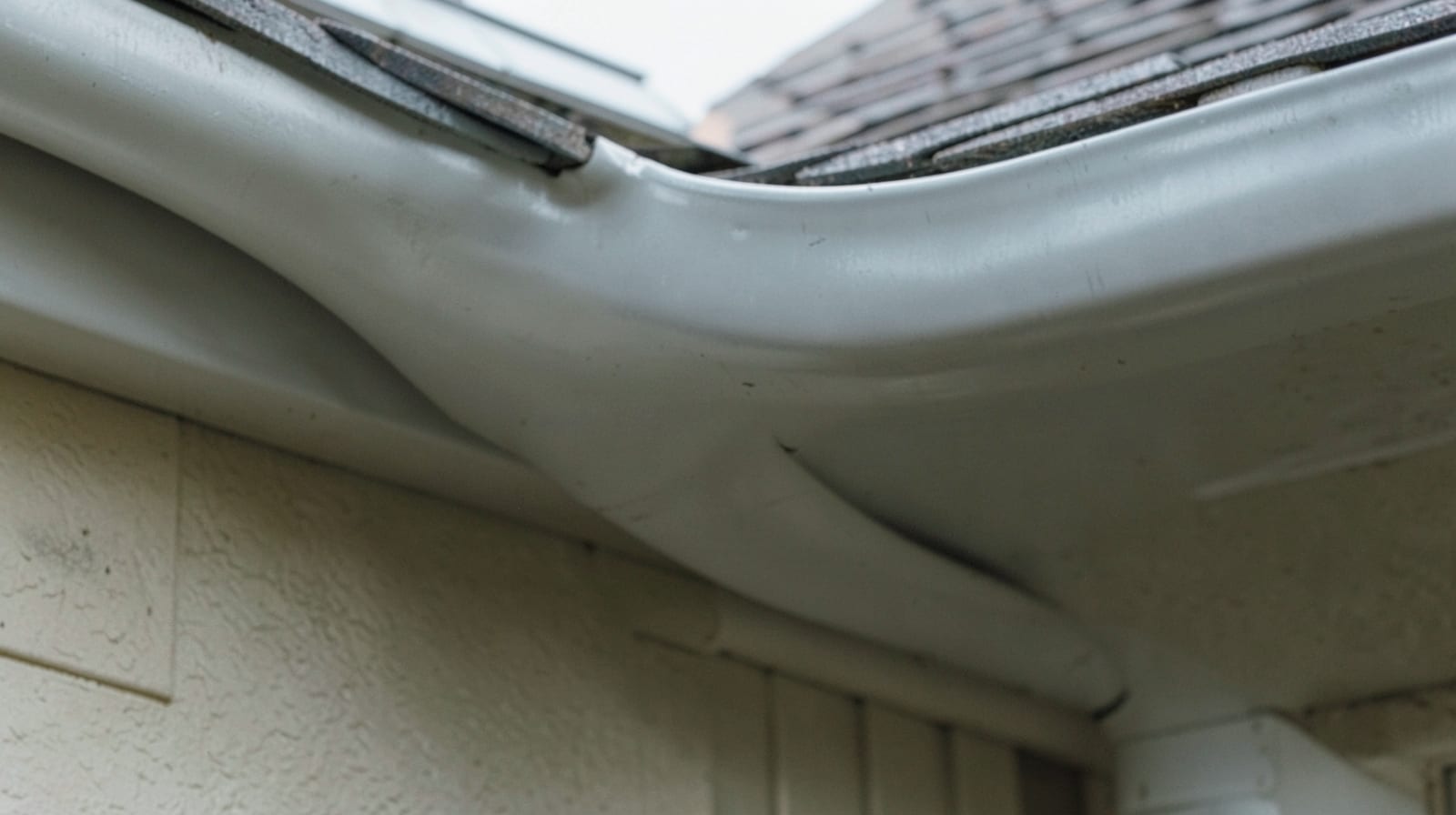
Hard Water Stain Removal in Spartanburg, SC
Hard Water Stain Removal in Spartanburg, SC — pressure washing to remove hard water stains from exterior surfaces.
Learn More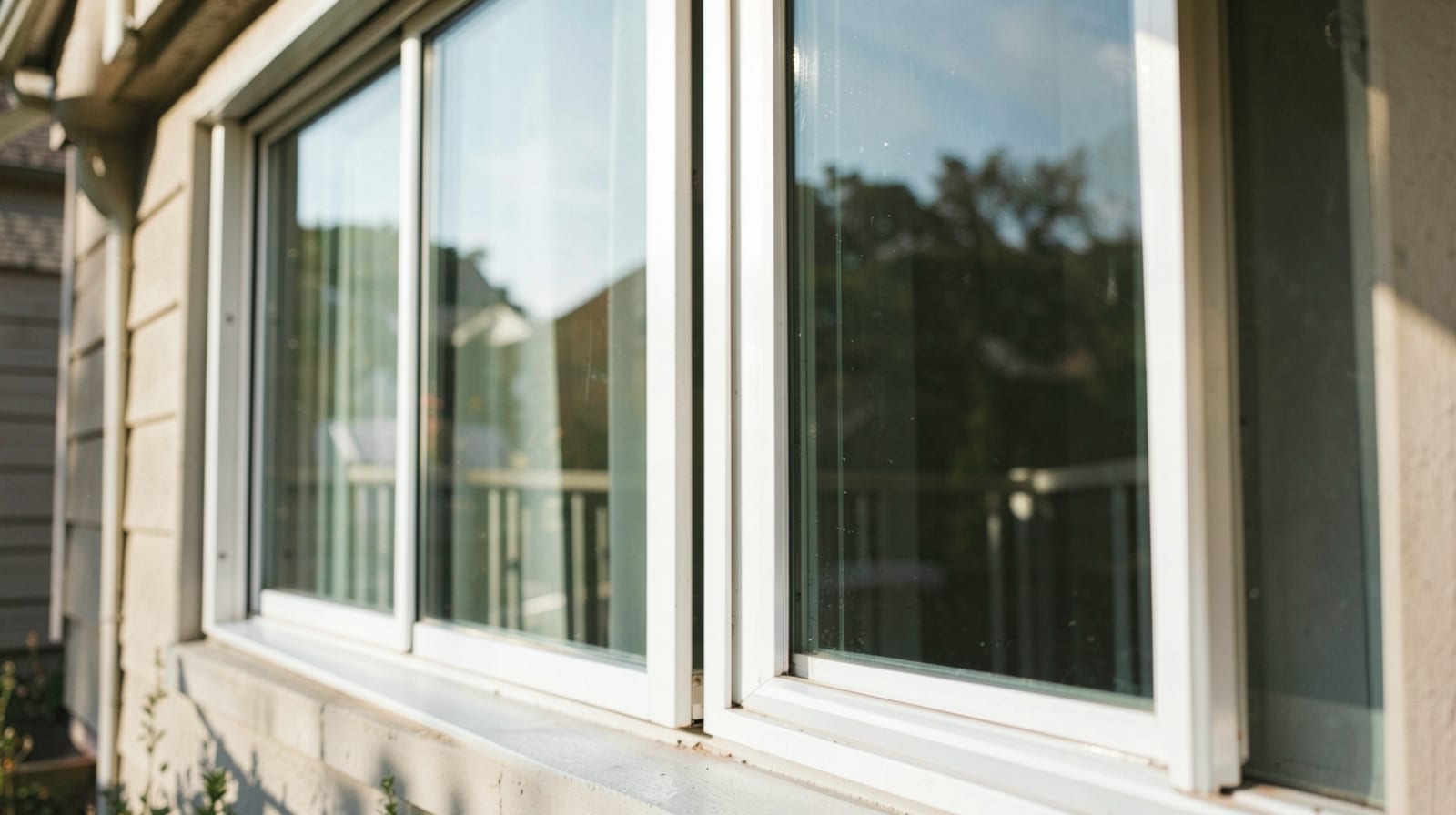
Salt Deposit Removal in Spartanburg, SC
Salt Deposit Removal in Spartanburg, SC — high-pressure washing to remove salt deposits from surfaces like driveways and sidewalks.
Learn MoreCommon Questions About Pressure Washing in Spartanburg
Everything you need to know about pressure washing services in Spartanburg
How much does Paver Sealing typically cost in Spartanburg, SC?
Why does algae and mildew growth on homes in Spartanburg, SC come back so quickly?
Can pressure washing strip paint or an existing sealant off a surface?
Is renting a pressure washer and doing the job at home a reasonable option?
How long does washing a typical house exterior take?
Can pressure washing damage concrete, pavers, or mortar joints?
Need Pressure Washing in Spartanburg?
Get a written quote from our Spartanburg crew.
⏰ We answer your call • Serving all of Spartanburg and surrounding areas