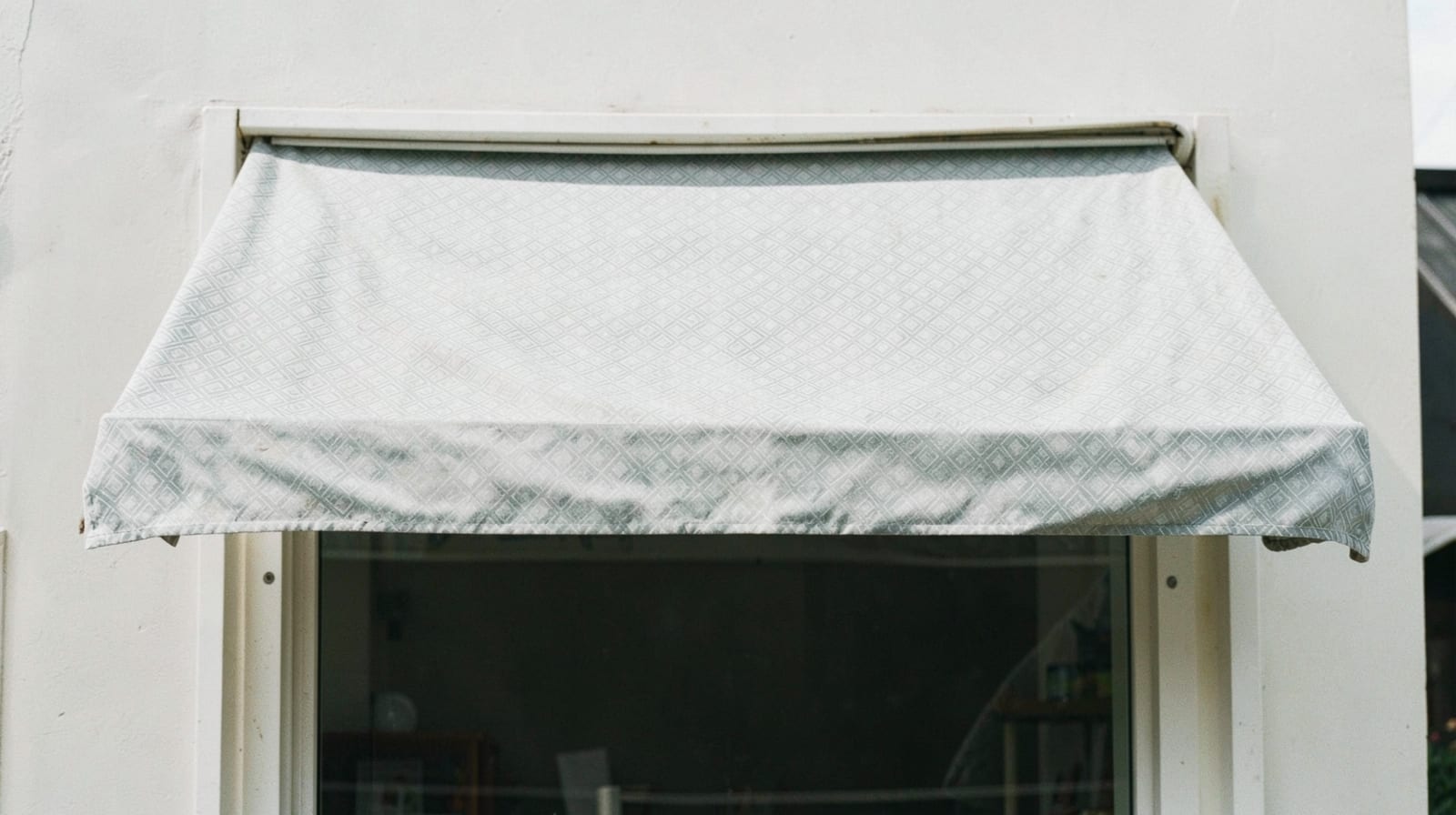
Awning & Canopy Cleaning
Awning and canopy cleaning in Spartanburg, SC — fabric-safe, low-pressure cleaning for storefront and residential awnings.
Awning & canopy cleaning in Spartanburg, SC, restores fabric and vinyl surfaces without damaging delicate materials. Using specialized low-pressure techniques, this service removes dust, pollen, and mildew buildup that standard pressure washing can tear or fade. Coverage extends across Spartanburg and surrounding areas like Boiling Springs, Duncan, and Inman.
Signs your awning or canopy needs cleaning
Fabric and vinyl awnings accumulate dust, pollen, and mildew over time, much like any exterior surface. However, their delicate nature means they require a gentler approach than siding or concrete to avoid tearing or fading.
We also handle New Construction Final Clean and Hard Water Stain Removal for Spartanburg properties.
Early indicators include visible green or black streaking on shaded sides, a chalky residue when touched, or cobwebs and dirt collecting in corners and under eaves. These signs often appear well before the rest of the surface looks dirty.
Check for These Signs
- Green or black streaks on north-facing or shaded sides (algae or mildew)
- Chalky residue when running a hand across the surface (oxidation or grime)
- Cobwebs, dirt, or insect debris in corners, under eaves, or around fixtures
- Visible fading or discoloration when comparing covered vs. exposed areas
What affects awning & canopy cleaning costs
Pricing for awning and canopy cleaning in Spartanburg depends on factors like material type, size, and accessibility. Fabric awnings often require a softer approach than vinyl, and larger or hard-to-reach canopies may increase labor time.
Additional costs can arise from pre-treatment needs, such as heavy mildew buildup, or the need for plant and surface protection to prevent damage from runoff. Always confirm whether chemicals and methods are disclosed upfront.
| Factor | Impact on Cost |
|---|---|
| Material (fabric vs. vinyl) | Fabric often requires gentler, more labor-intensive methods |
| Size and accessibility | Larger or elevated canopies increase time and effort |
| Pre-treatment needs | Heavy mildew or algae may require additional chemical passes |
| Plant/surface protection | Extra steps to cover landscaping or fixtures add to the scope |
Avoid damage: ask these questions before hiring
Not all pressure washing services are suited for delicate surfaces like awnings and canopies. Asking the right questions ensures the job is done safely and effectively.
For example, confirm whether the method (soft wash vs. pressure wash) and PSI are specified for your awning’s material. Also, verify chemical use and its impact on nearby plants or pets.
Does the quote specify PSI and method for each surface? Are chemicals and their effects on landscaping disclosed? What is the policy for pre-existing damage revealed after cleaning?
How awning & canopy cleaning works
A specialized process ensures awnings and canopies are cleaned without damage.
- 1Surface and Plant Protection
Landscaping near the awning or canopy is wetted down and covered, and any exterior outlets or fixtures are bagged to prevent damage from overspray or runoff.
- 2Detergent Pre-Treatment
A cleaning solution formulated for the awning material is applied at low pressure and left to dwell, breaking down algae and mildew chemically.
- 3Soft-Wash Rinse
The awning is rinsed at low pressure (under 500 psi) with a wide-fan tip, working top to bottom in overlapping passes to avoid streaking.
- 4Spot Treatment and Final Inspection
Stubborn stains receive a second, more concentrated pass. A final rinse removes detergent residue, and the surface is inspected for missed spots or damage.
Frequently asked questions
Can high-pressure washing damage my awning?
Yes. Vinyl and fabric awnings can tear or fade under excessive pressure. A soft-wash method with low PSI is required to clean them safely without causing damage.
How often should I clean my awning or canopy?
Frequency depends on exposure to moisture, shade, and debris. North-facing or shaded awnings may need cleaning every 1-2 years, while those in sunnier areas may last longer.
What chemicals are used, and are they safe for my plants?
Soft-wash detergents vary in strength. Reputable services disclose the chemicals used and their impact on nearby landscaping and pets before starting the job.
Will cleaning my awning reveal pre-existing damage?
Yes. Dirt and grime can hide issues like tears or fading. A good service will disclose their policy for handling pre-existing damage discovered during cleaning.
See Inman Mills, SC for more, or discover everything Spartanburg homeowners can book with us in full for our complete lineup.
Ready to get started?
Talk to a local pressure washing pro in Spartanburg — get a written quote.
Other Pressure Washing Services in Spartanburg
New Construction Final Clean in Spartanburg, SC
New Construction Final Clean in Spartanburg, SC — thorough post-construction cleanup using pressure washing to remove debris, dust, and residue from new builds.
Learn More
Hard Water Stain Removal in Spartanburg, SC
Hard Water Stain Removal in Spartanburg, SC — pressure washing to remove hard water stains from exterior surfaces.
Learn More
Salt Deposit Removal in Spartanburg, SC
Salt Deposit Removal in Spartanburg, SC — high-pressure washing to remove salt deposits from surfaces like driveways and sidewalks.
Learn More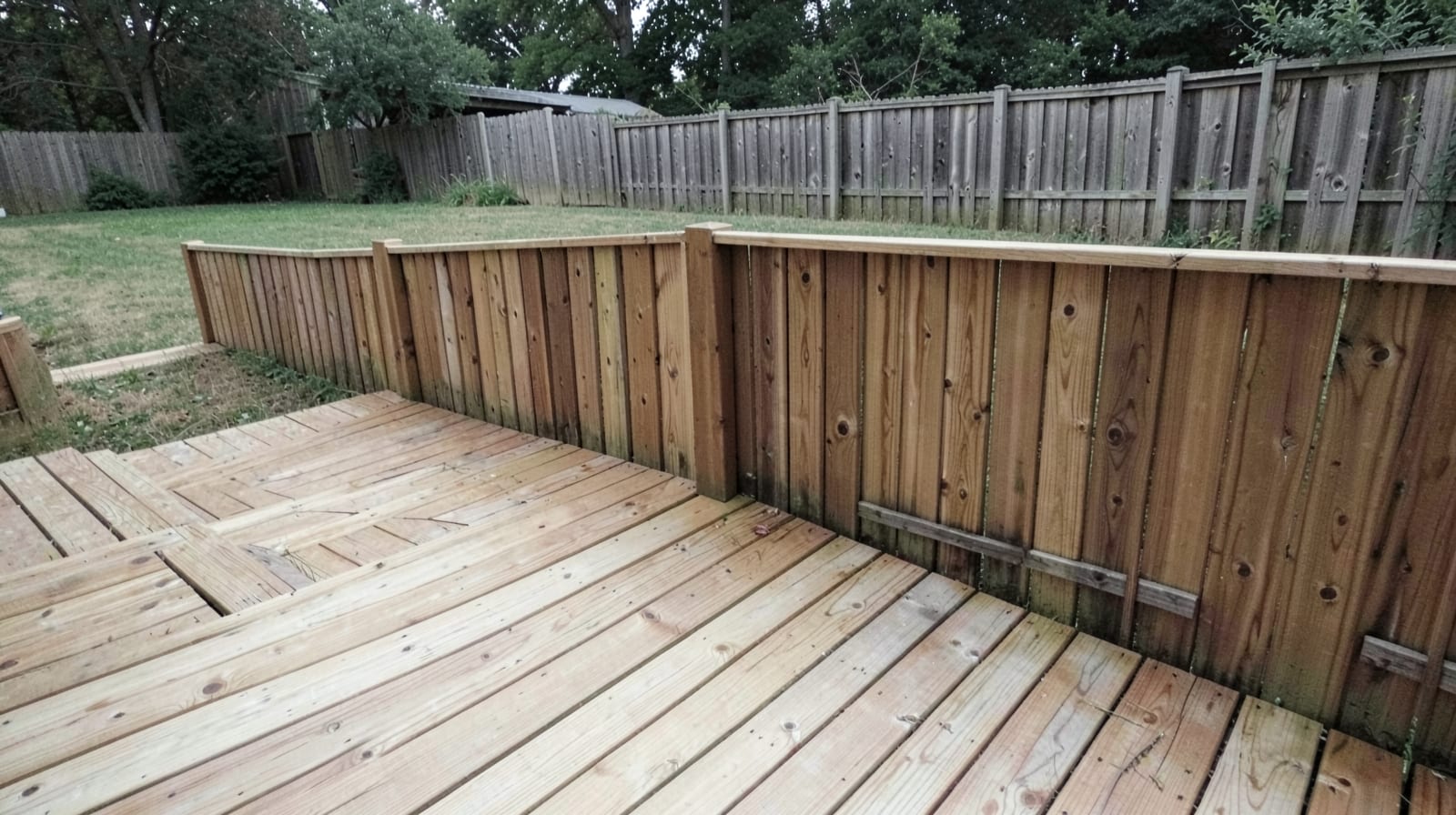
House Washing in Spartanburg, SC
Soft-wash exterior house washing for siding, brick, and stucco in Spartanburg, SC — removes dirt, algae, mildew, and pollen film, without damaging the surface.
Learn More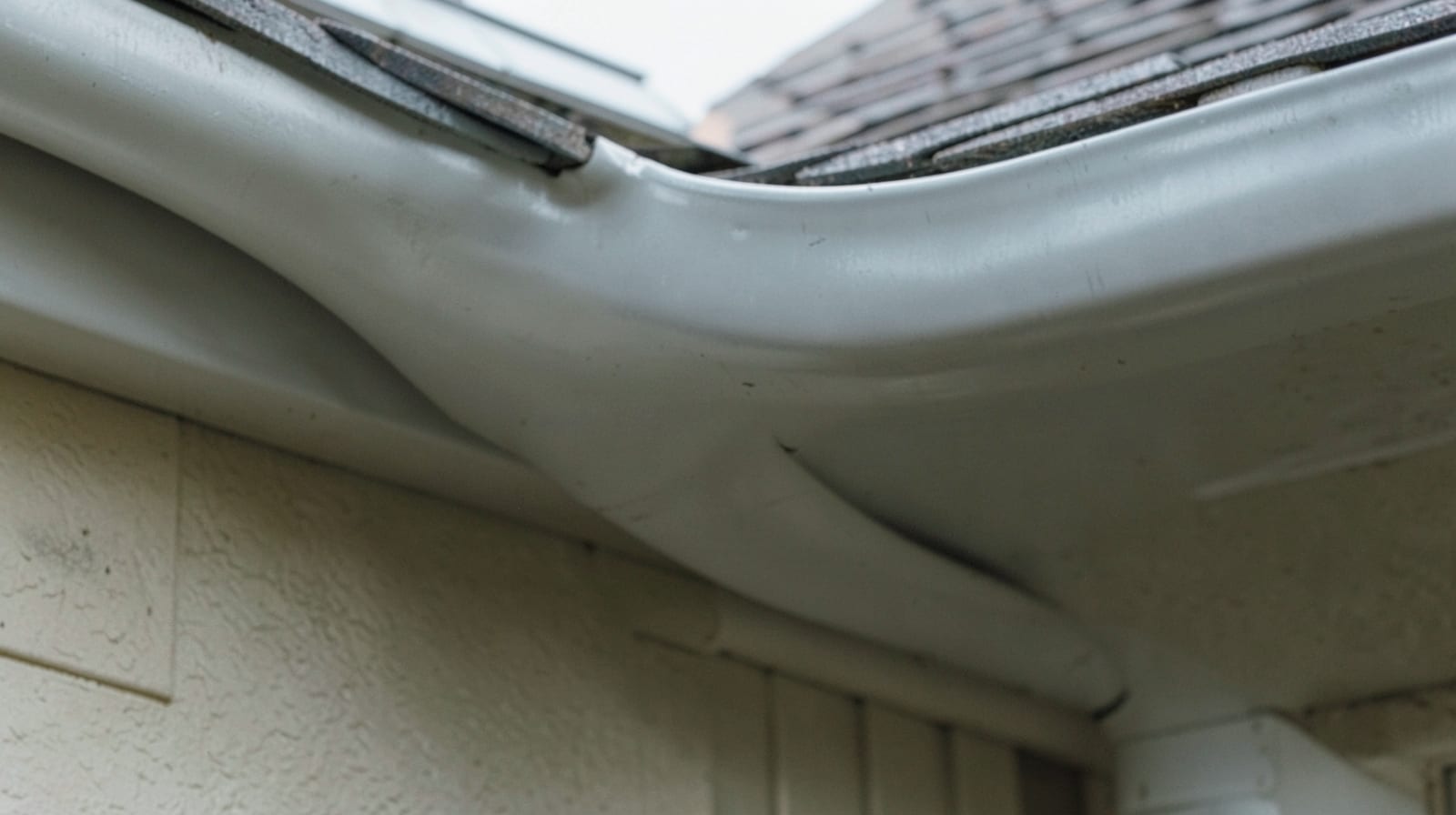
Driveway & Concrete Cleaning in Spartanburg, SC
Driveway & Concrete Cleaning in Spartanburg, SC — pressure washing for driveways, walkways, and patios in Spartanburg, SC — lifts oil stains, tire marks, and algae, mildew, and pollen film from concrete.
Learn More
Roof Washing (Soft Wash) in Spartanburg, SC
Low-pressure soft-wash roof cleaning in Spartanburg, SC removes algae streaks without damaging shingles.
Learn MoreCommon Questions About Pressure Washing in Spartanburg
Everything you need to know about pressure washing services in Spartanburg
How much does Awning & Canopy Cleaning typically cost in Spartanburg, SC?
Why does algae and mildew growth on homes in Spartanburg, SC come back so quickly?
Can pressure washing damage concrete, pavers, or mortar joints?
What are the actual named steps in a professional pressure washing job?
Can the wrong PSI actually damage a house or driveway?
What's the actual difference between pressure washing and soft washing?
Need Pressure Washing in Spartanburg?
Get a written quote from our Spartanburg crew.
⏰ We answer your call • Serving all of Spartanburg and surrounding areas