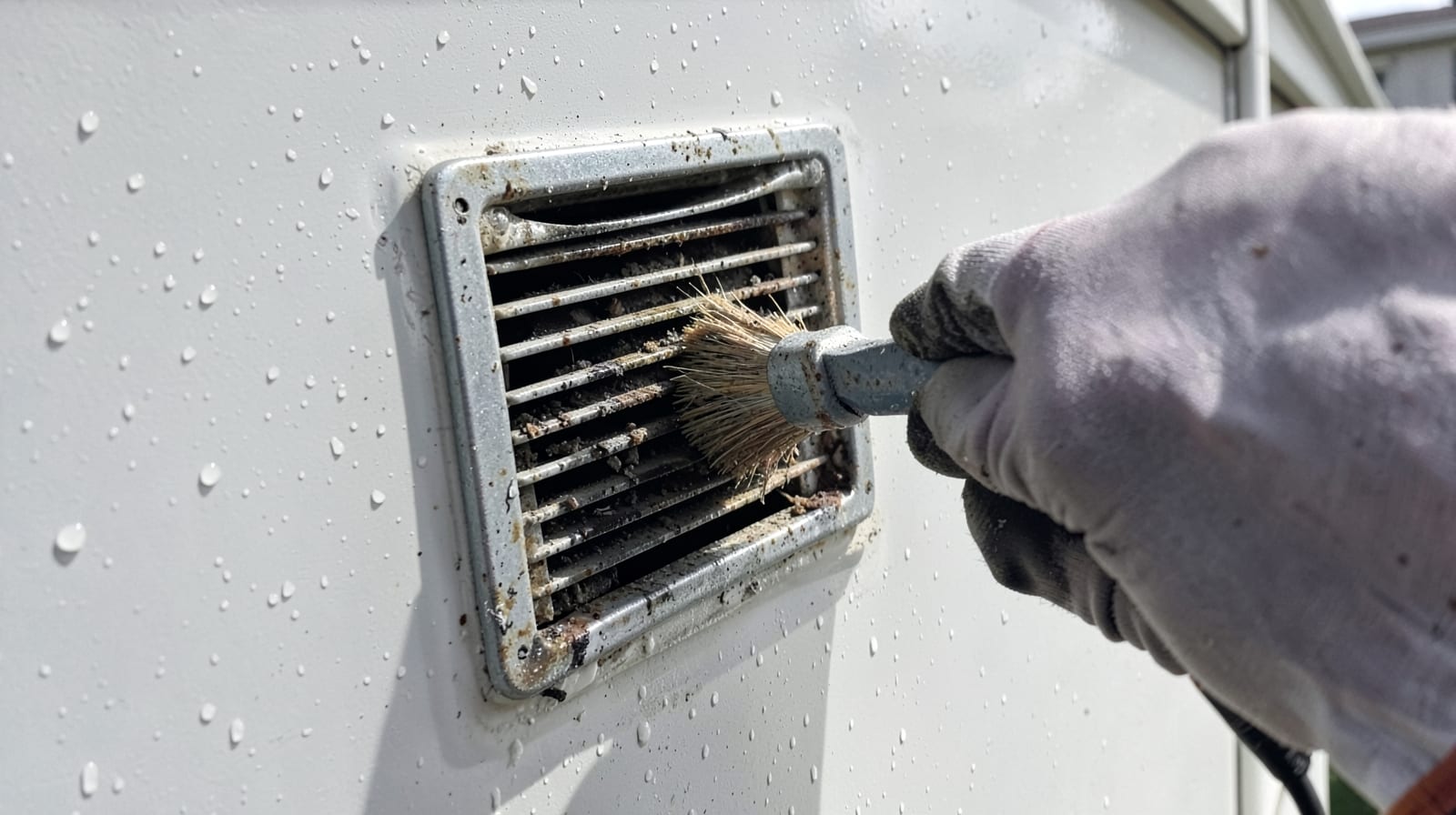
Exterior Vent Cleaning
Professional cleaning of exterior vents using pressure washing to remove dirt, debris, and blockages.
Exterior vent cleaning in Spartanburg, SC uses pressure washing to remove dirt, dust, and debris from dryer, bathroom, and kitchen vents. This service restores proper airflow, prevents hazards, and protects your home’s exterior from buildup that can lead to costly damage over time.
Signs your exterior vents need cleaning
Siding tends to show buildup so gradually that it’s easy to overlook until problems arise. Green or black streaking on shaded sides of the house often signals algae or mildew, which spreads steadily once established. A chalky residue on your hand after running it across the surface indicates oxidation or accumulated grime, often harder to see from a distance.
We also handle Rental Property Washing and Condo Association Washing for Spartanburg properties.
Cobwebs, dirt, and insect debris collecting in corners, under eaves, and around light fixtures are usually the first visible signs of grime. Removing mounted items like house numbers or planters can reveal a clean patch underneath, making it clear how much the surrounding siding has faded or dirtied over time.
Quick Checks for Vent and Siding Buildup
- Green or black streaking on north-facing or shaded walls
- Chalky residue when running a hand across the siding
- Cobwebs and debris accumulating in corners and under eaves
- Visible contrast between covered and exposed siding areas
What affects pricing and timing for vent cleaning
How quickly siding and vents get dirty again depends largely on moisture exposure. Vegetation touching the siding keeps it damp and shaded, accelerating algae growth. A sprinkler head aimed at the siding can also keep a section wet daily, regardless of weather.
Clogged gutters can overflow, sending roof grime down the siding below, while shaded or north-facing sections will always need attention sooner. These factors influence how often cleaning is needed, not the quality of the previous job.
Common pitfalls to avoid
Using the wrong pressure for the material can cause serious damage. Vinyl, stucco, and fiber cement each have different pressure tolerances, and exceeding these can crack, split, or strip finishes. Aiming a pressure washer directly into siding seams can force water behind panels, leading to mold or rot inside walls.
Inconsistent wand speed during rinsing can create uneven streaking, known as zebra striping, which is particularly noticeable on light-colored vinyl. Always work top to bottom in overlapping passes at a consistent speed to avoid this issue.
Never skip pre-treatment or use a one-size-fits-all pressure setting. Both can lead to damage, streaking, or incomplete cleaning.
How exterior vent cleaning works
- 1Surface and Plant Protection
Landscaping near the foundation is wetted down and covered, and exterior outlets or fixtures are bagged to prevent damage from cleaning solution runoff or overspray.
- 2Detergent Pre-Treatment
A cleaning solution formulated for the siding material (vinyl, wood, stucco, or fiber cement) is applied at low pressure and left to dwell, breaking down algae and mildew chemically.
- 3Soft-Wash Rinse
The siding is rinsed at low pressure (under 500 psi) using a wide-fan tip, working top to bottom in overlapping passes at a consistent speed to avoid streaking.
- 4Spot Treatment and Final Inspection
Areas with heavier staining receive a second, more concentrated pass. A clear-water final rinse removes detergent residue, and the siding is inspected for missed spots or damage.
Frequently asked questions
How often should I have my exterior vents cleaned?
Aim for every 1-2 years, but this can vary based on moisture exposure, vegetation, and local conditions. North-facing or shaded sections may need more frequent attention.
Can pressure washing damage my siding?
Yes, if the wrong pressure or technique is used. Vinyl, stucco, and fiber cement each require different pressure settings, and forcing water behind siding seams can cause hidden damage.
What should I look for in a vent cleaning quote?
Ensure the quote specifies the PSI and method (pressure wash vs. soft wash) for each surface, lists all surfaces included, and discloses the chemicals used and their effects on landscaping and pets.
Why do I see streaks after pressure washing?
Streaks often result from inconsistent pass speed during rinsing or using the wrong pressure. A soft-wash rinse at low pressure with consistent wand movement helps prevent this.
See Saxon, SC for more, or find out about our complete Spartanburg service list by neighborhood for our complete lineup.
Ready to get started?
Talk to a local pressure washing pro in Spartanburg — get a written quote.
Other Pressure Washing Services in Spartanburg
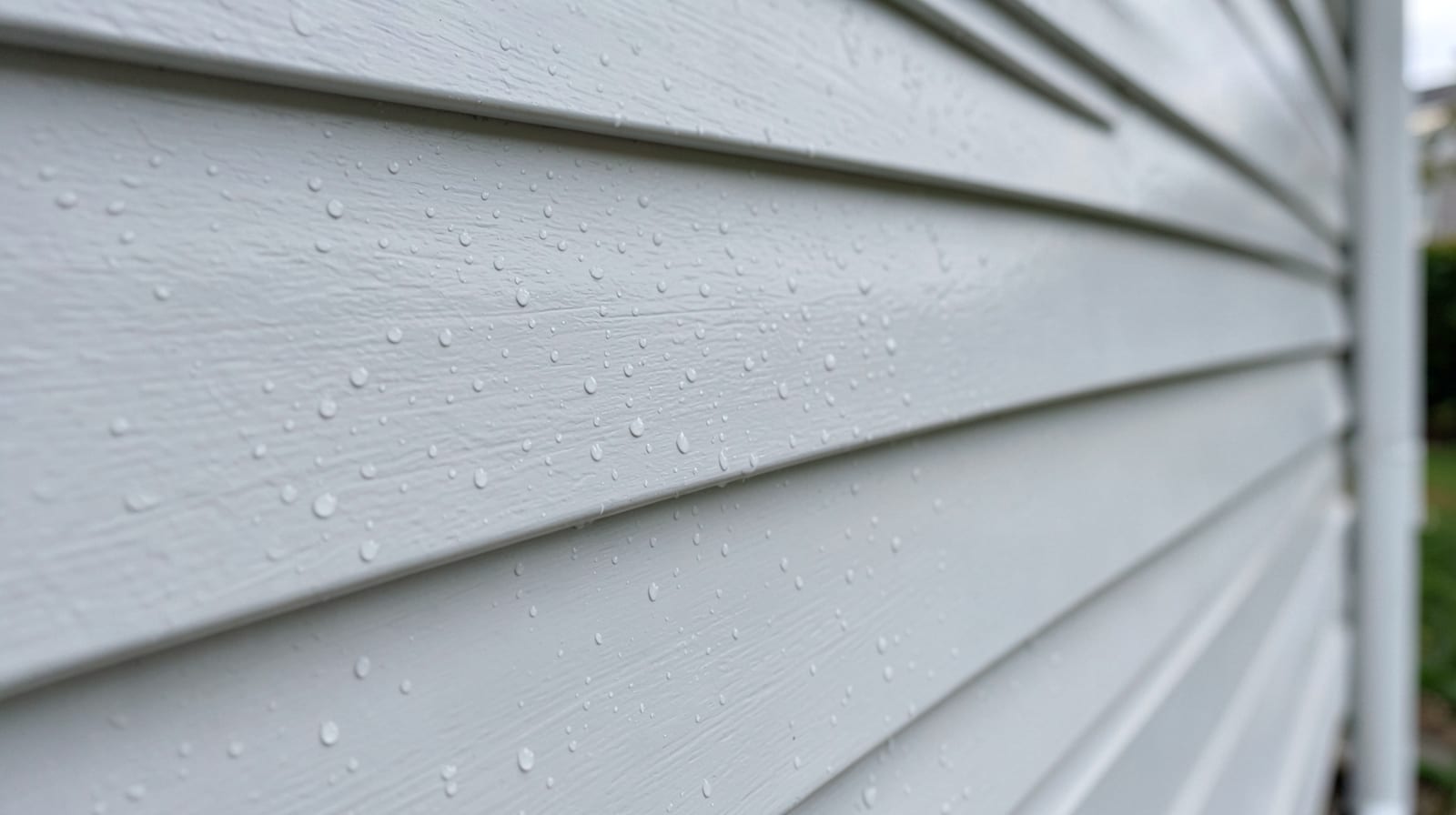
Rental Property Washing in Spartanburg, SC
Rental Property Washing in Spartanburg, SC — high-pressure cleaning of rental property exteriors to remove dirt, grime, and mold.
Learn More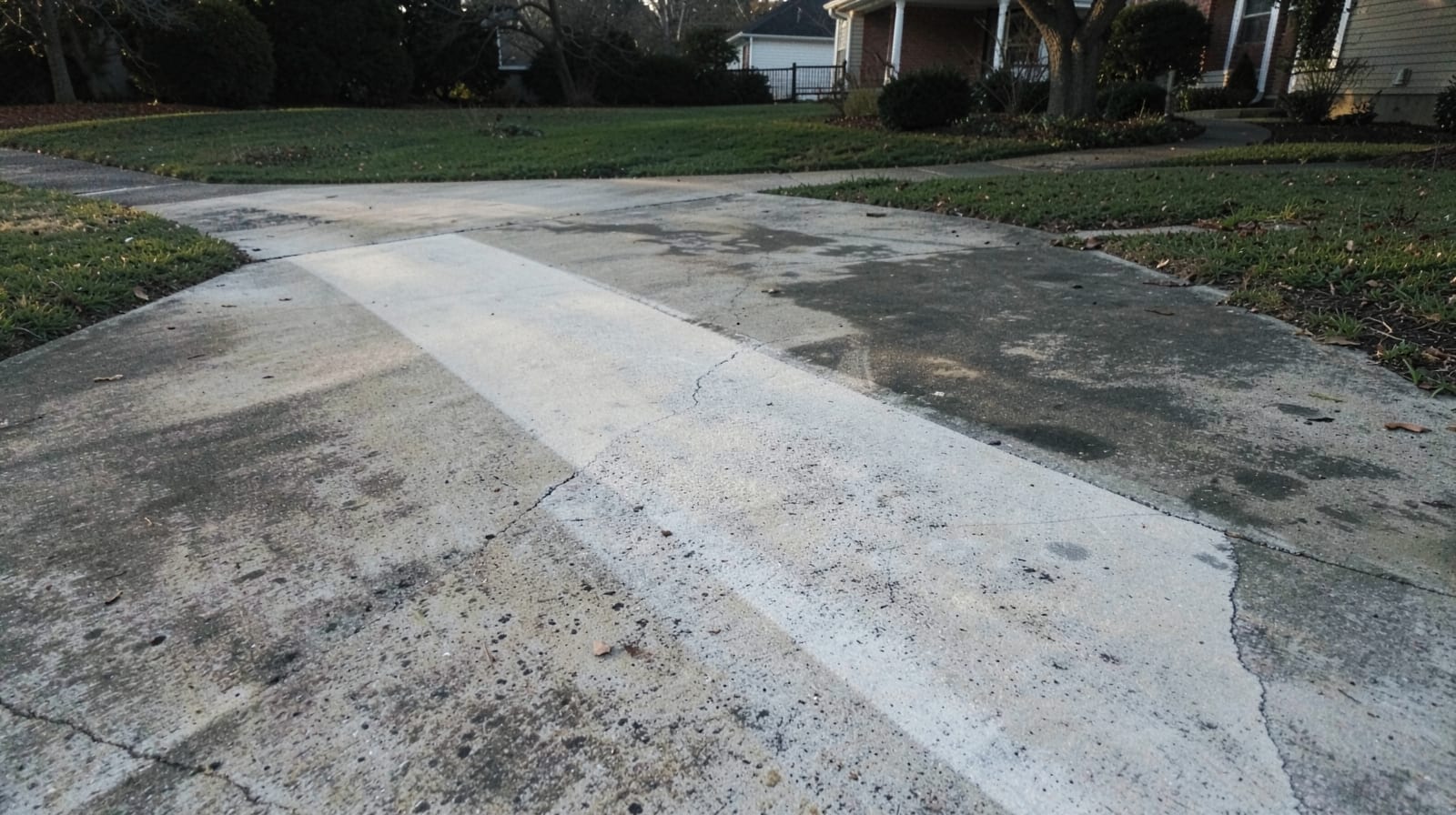
Condo Association Washing in Spartanburg, SC
Condo Association Washing in Spartanburg, SC — high-pressure cleaning of condo association exteriors, walkways, and common areas to remove dirt and grime.
Learn More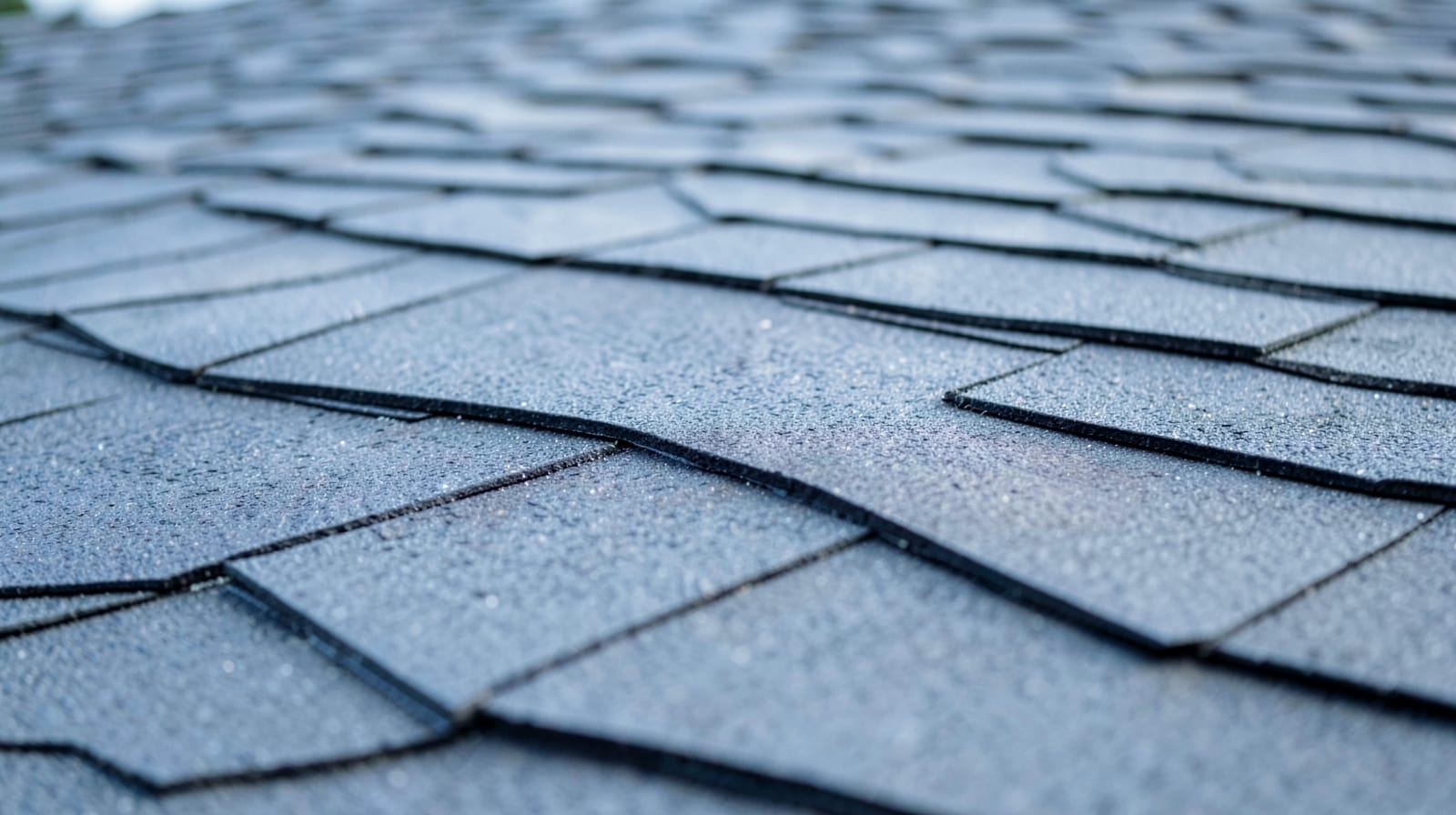
HOA Common Area Washing in Spartanburg, SC
Pressure washing HOA common areas like sidewalks, playgrounds, and entryways to remove dirt and grime.
Learn More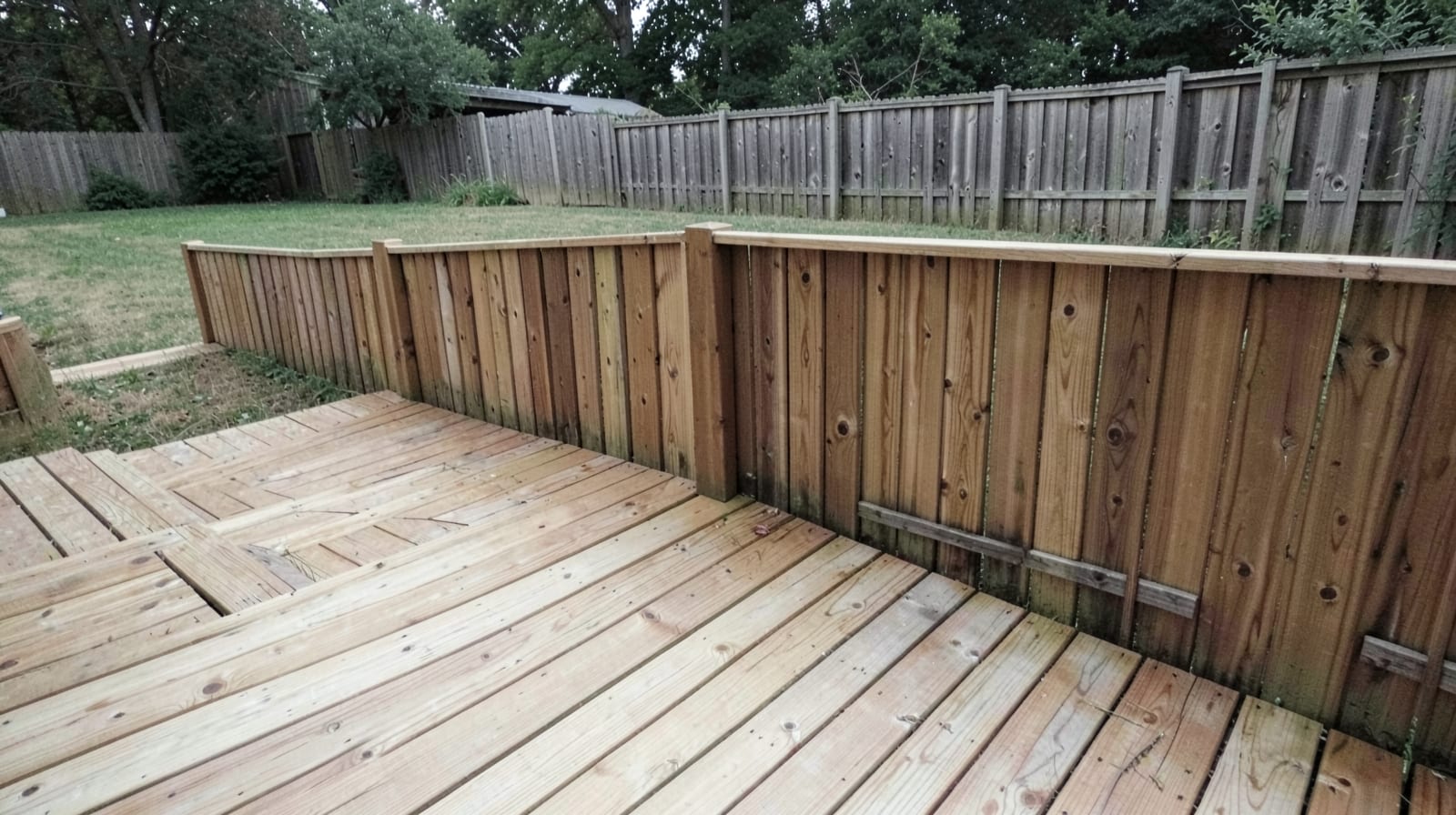
Restaurant Exterior Washing in Spartanburg, SC
Restaurant Exterior Washing in Spartanburg, SC — high-pressure cleaning of restaurant building exteriors, sidewalks, and outdoor surfaces to remove grime and stains.
Learn More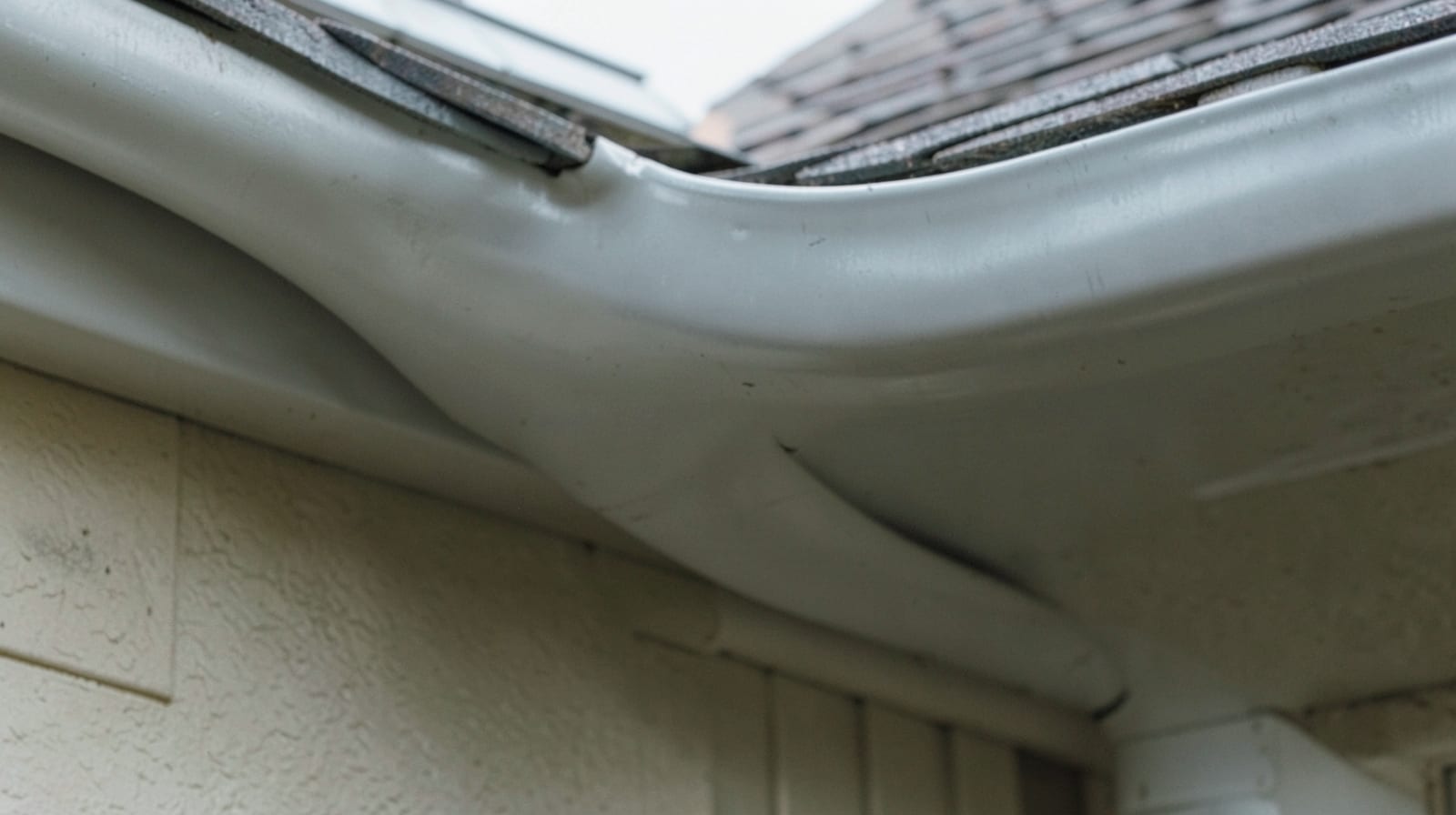
School Building Washing in Spartanburg, SC
School Building Washing in Spartanburg, SC — high-pressure cleaning of school building exteriors to remove dirt, grime, and stains.
Learn More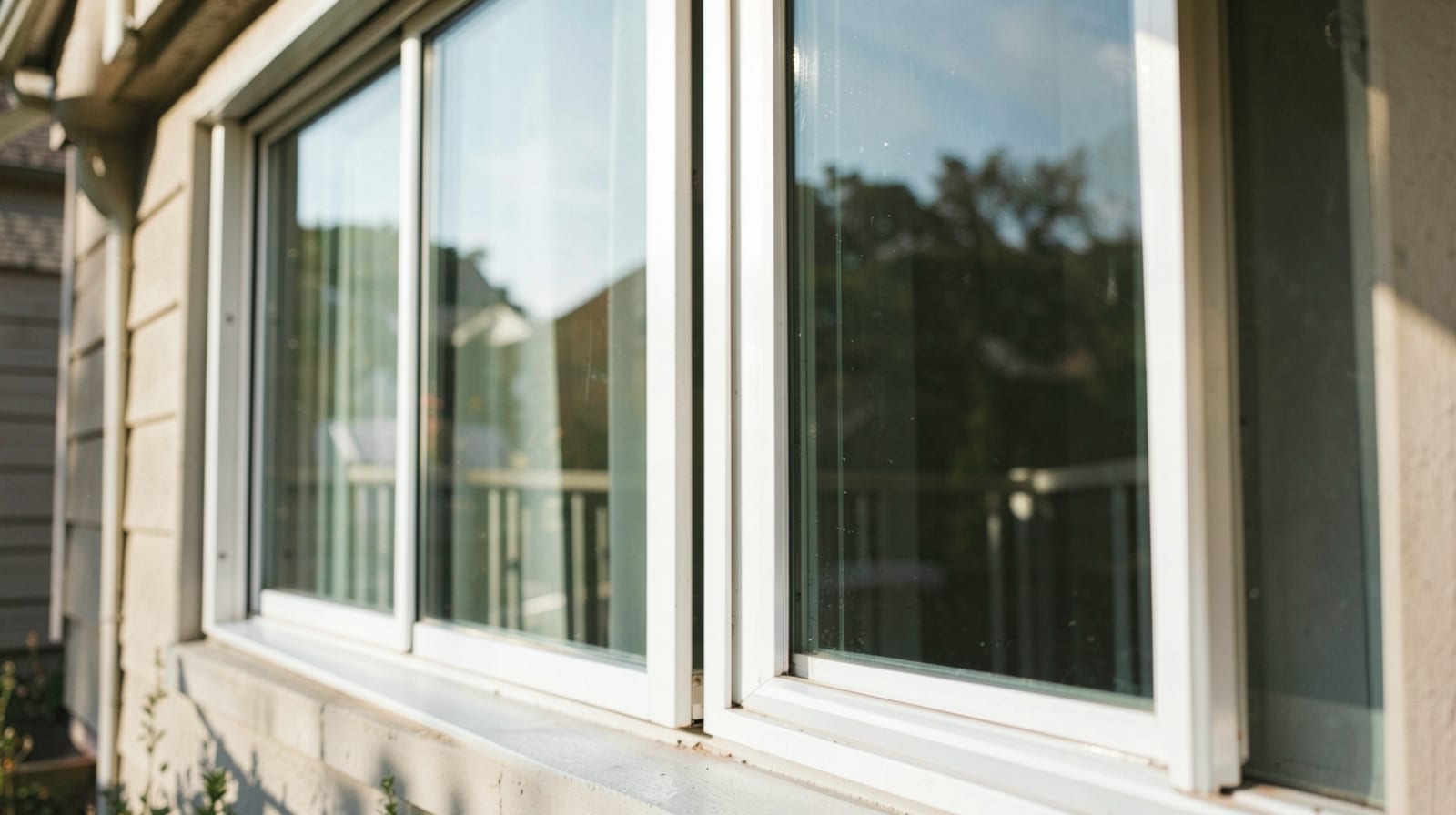
Medical Clinic Exterior Washing in Spartanburg, SC
Medical Clinic Exterior Washing in Spartanburg, SC — high-pressure cleaning of medical clinic exteriors to remove dirt, grime, and contaminants.
Learn MoreCommon Questions About Pressure Washing in Spartanburg
Everything you need to know about pressure washing services in Spartanburg
How much does Exterior Vent Cleaning typically cost in Spartanburg, SC?
Why does algae and mildew growth on homes in Spartanburg, SC come back so quickly?
Is renting a pressure washer and doing the job at home a reasonable option?
How long does washing a typical house exterior take?
Can pressure washing damage concrete, pavers, or mortar joints?
What are the actual named steps in a professional pressure washing job?
Need Pressure Washing in Spartanburg?
Get a written quote from our Spartanburg crew.
⏰ We answer your call • Serving all of Spartanburg and surrounding areas