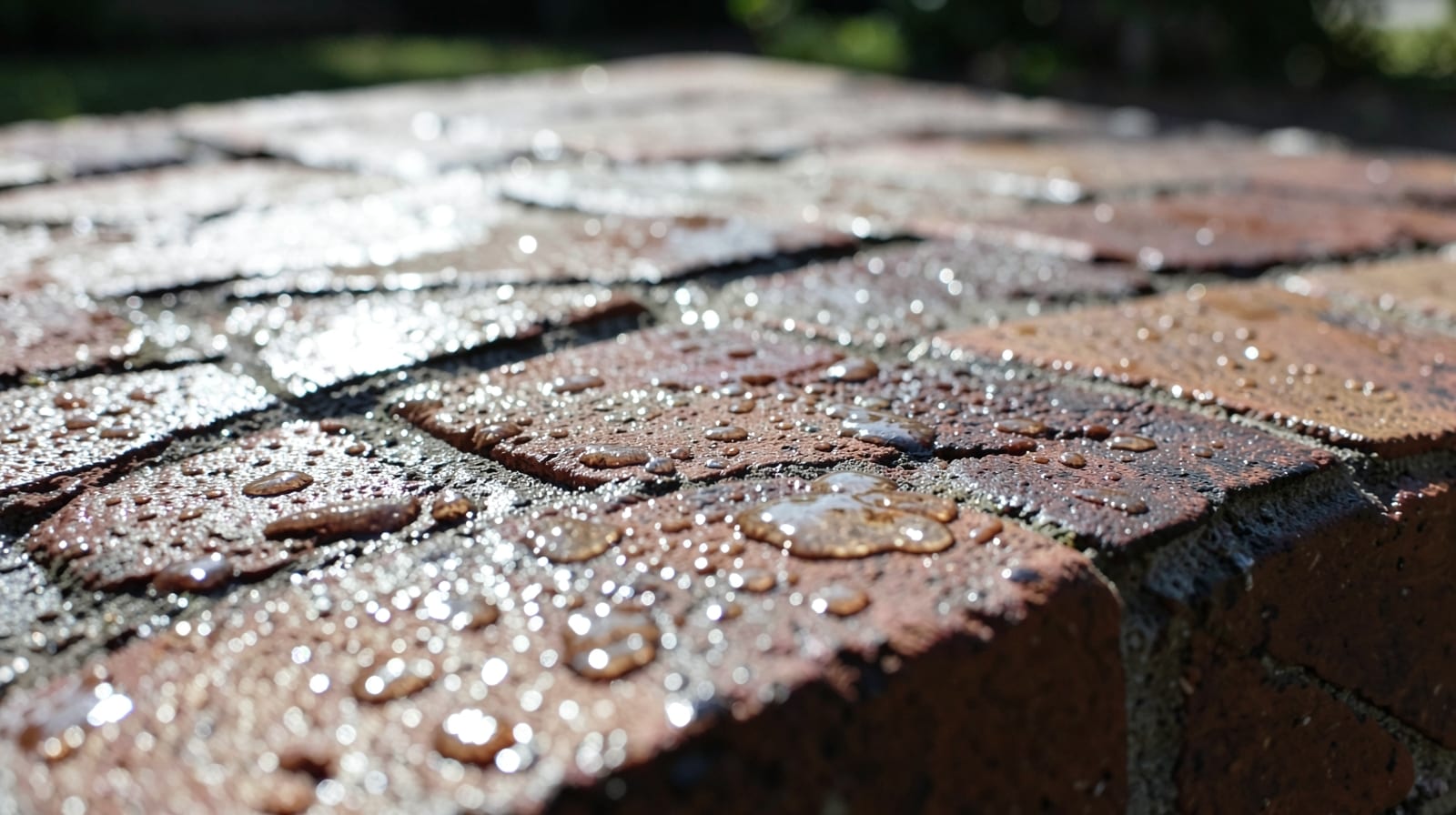
Brick Cleaning
Brick Cleaning in Spartanburg, SC — professional pressure washing to remove dirt, grime, and stains from brick surfaces.
Brick cleaning in Spartanburg, SC restores weathered or discolored masonry by removing dirt, mold, and pollution stains. Using low-to-medium pressure washing and masonry-safe treatments, the service preserves brick texture and color while addressing issues like efflorescence and organic staining without damaging mortar or softer materials.
Signs your brick needs professional cleaning
Brick and stone can hide damage under years of grime. A greenish or black film on the surface, often on shaded sides, signals algae or mildew—not natural aging. White, chalky patches indicate efflorescence, a mineral deposit from moisture moving through the masonry, which requires a different approach than ordinary dirt.
We also handle School Building Washing and Medical Clinic Exterior Washing for Spartanburg properties.
Recessed or crumbling mortar joints, visible under a fingertip test, are a red flag. Dark staining directly below downspouts or rooflines often points to repeated runoff, not general wear. These issues affect how the wall should be cleaned, not just whether it needs it.
| Sign | What It Means | Action Needed |
|---|---|---|
| Green/black film on brick | Algae or mildew growth | Clean with masonry-safe solution, avoid aggressive scrubbing |
| White, chalky haze | Efflorescence (mineral deposit) | Treat chemically, not mechanically |
| Recessed or crumbling mortar | Mortar deterioration | Inspect before cleaning; may require repointing |
| Dark staining below downspouts/rooflines | Runoff concentration | Redirect water flow; clean with care |
What affects brick cleaning costs in Spartanburg
Pricing for brick cleaning depends on the square footage, condition of the masonry, and accessibility. Older or softer brick may require gentler methods, while recessed mortar or efflorescence adds complexity. The market range for exterior washing starts around $0.49 per square foot, but actual costs vary by job specifics and provider.
Always request a detailed written scope. Confirm whether the quote specifies pressure vs. soft wash per surface, includes chemical treatments, and clarifies post-cleaning sealing or repairs. Bundled pricing can be misleading if it lumps together surfaces with different needs.
Protecting your investment after cleaning
Masonry stays cleaner longer when moisture is managed. A vapor-permeable sealer applied after cleaning reduces water absorption while allowing existing moisture to escape. Non-breathable sealers can trap moisture, leading to worse problems than the original staining.
Redirect downspouts and sprinklers away from walls to prevent recurring dampness. Keep mulch, dense plantings, or vines clear of the base to reduce moisture buildup where staining and efflorescence often start.
Post-Cleaning Maintenance Tips
- Apply a vapor-permeable sealer to reduce water absorption
- Redirect downspouts and sprinklers away from masonry
- Keep mulch and plantings clear of the wall base
- Inspect mortar joints annually for signs of deterioration
How brick cleaning works
Professional brick cleaning in Spartanburg follows a methodical process to restore masonry without damage.
- 1Pre-Cleaning Inspection
Mortar joints are checked for crumbling or recession, and the brick’s condition is assessed. This determines the appropriate pressure and cleaning method to avoid accelerating erosion.
- 2Low-to-Medium Pressure Washing
The brick face is cleaned at a lower pressure than concrete, working across the surface—not directly into joints—to lift dirt, mold, and stains without damaging the masonry.
- 3Efflorescence and Staining Treatment
White mineral haze and organic stains are treated with a masonry-safe solution, not scrubbed or blasted, to avoid pitting or lightening softer brick or natural stone.
- 4Detail Work and Final Rinse
Corners, window sills, and areas near mortar joints are finished at reduced pressure. A final rinse clears residue, and joints are re-inspected while wet to reveal any hidden deterioration.
Frequently asked questions
How do I know if my brick needs cleaning or repairs?
A greenish or black film is often algae or mildew, while a white, chalky haze is efflorescence. Recessed or crumbling mortar joints indicate deterioration that may need repointing before cleaning. A professional inspection can distinguish between dirt and damage.
Can pressure washing damage my brick or mortar?
Yes, if the wrong pressure or technique is used. Directing pressure into mortar joints can erode them, and softer brick or natural stone can pit under high pressure. A professional uses low-to-medium pressure and avoids targeting joints directly.
What’s the difference between pressure washing and soft washing for brick?
Pressure washing uses higher PSI to blast away dirt, while soft washing relies on low pressure and chemical solutions to clean delicate surfaces like brick. Soft washing is often safer for older or softer masonry.
How can I prevent staining from returning after cleaning?
Apply a vapor-permeable sealer to reduce water absorption, redirect downspouts and sprinklers away from the wall, and keep mulch or plantings clear of the base. Address recurring moisture sources to prevent efflorescence and organic growth.
See Central Pacolet, SC for more, or discover the pressure washing work we do around Spartanburg side by side for our complete lineup.
Ready to get started?
Talk to a local pressure washing pro in Spartanburg — get a written quote.
Other Pressure Washing Services in Spartanburg
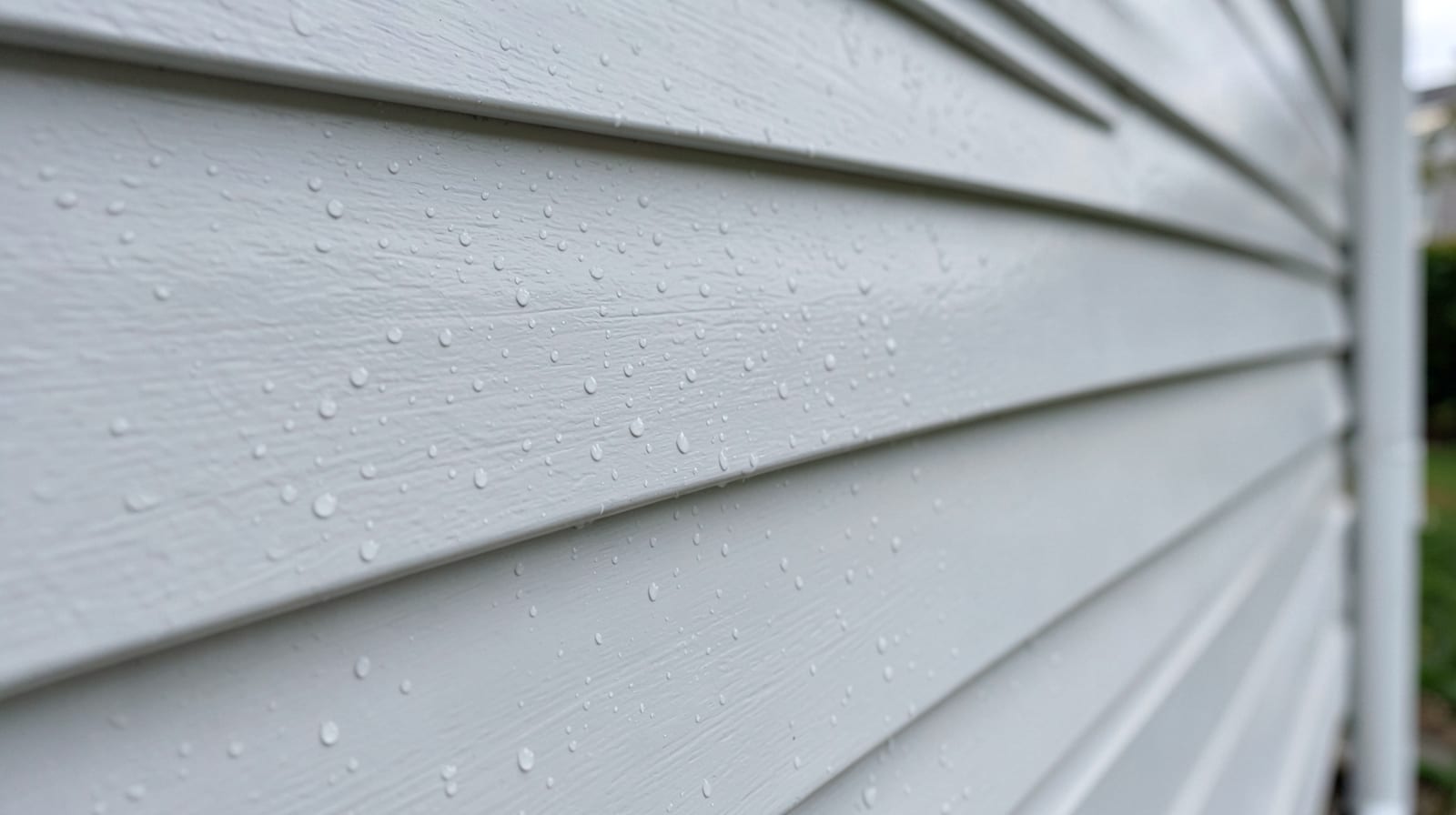
School Building Washing in Spartanburg, SC
School Building Washing in Spartanburg, SC — high-pressure cleaning of school building exteriors to remove dirt, grime, and stains.
Learn More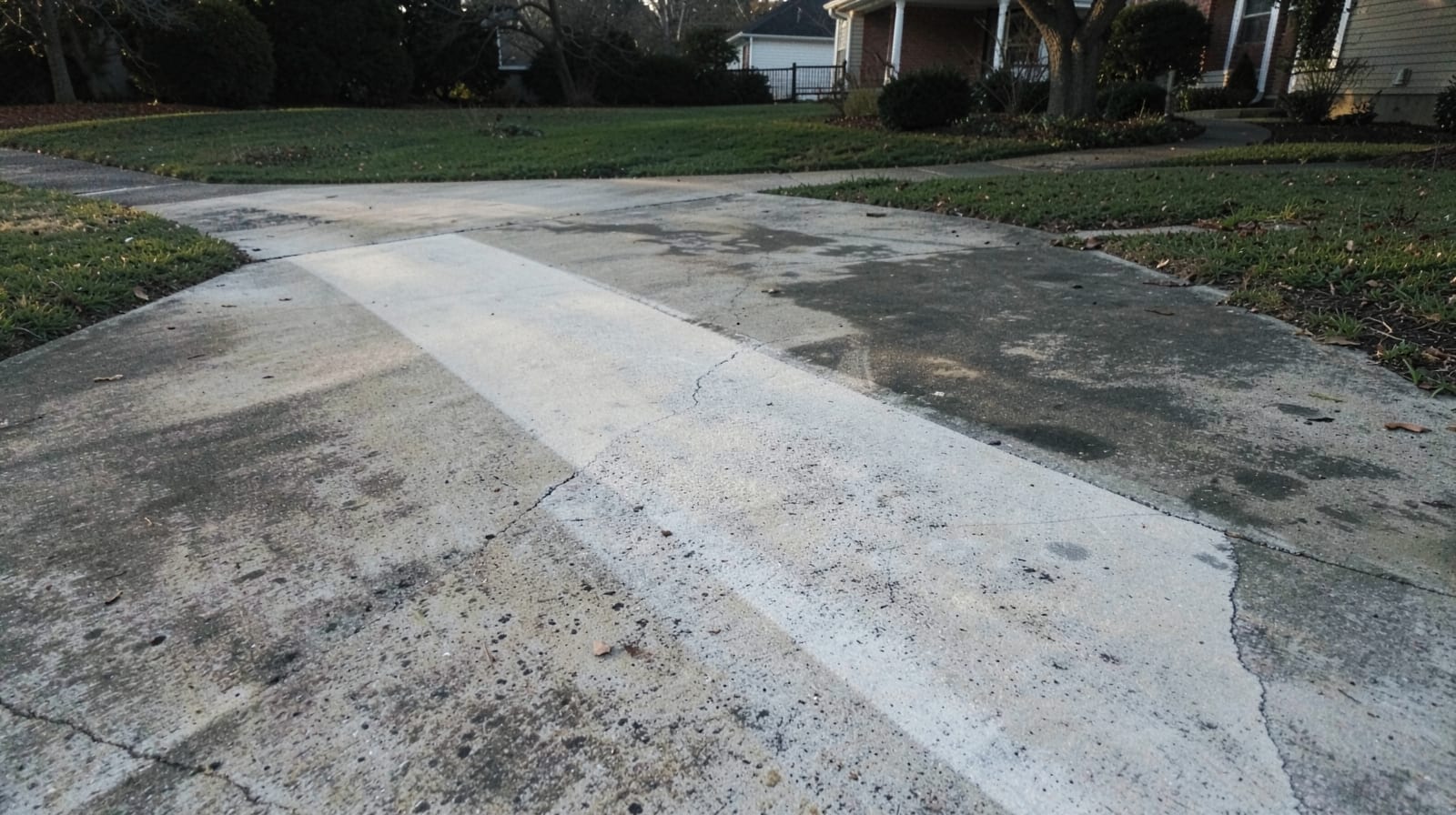
Medical Clinic Exterior Washing in Spartanburg, SC
Medical Clinic Exterior Washing in Spartanburg, SC — high-pressure cleaning of medical clinic exteriors to remove dirt, grime, and contaminants.
Learn More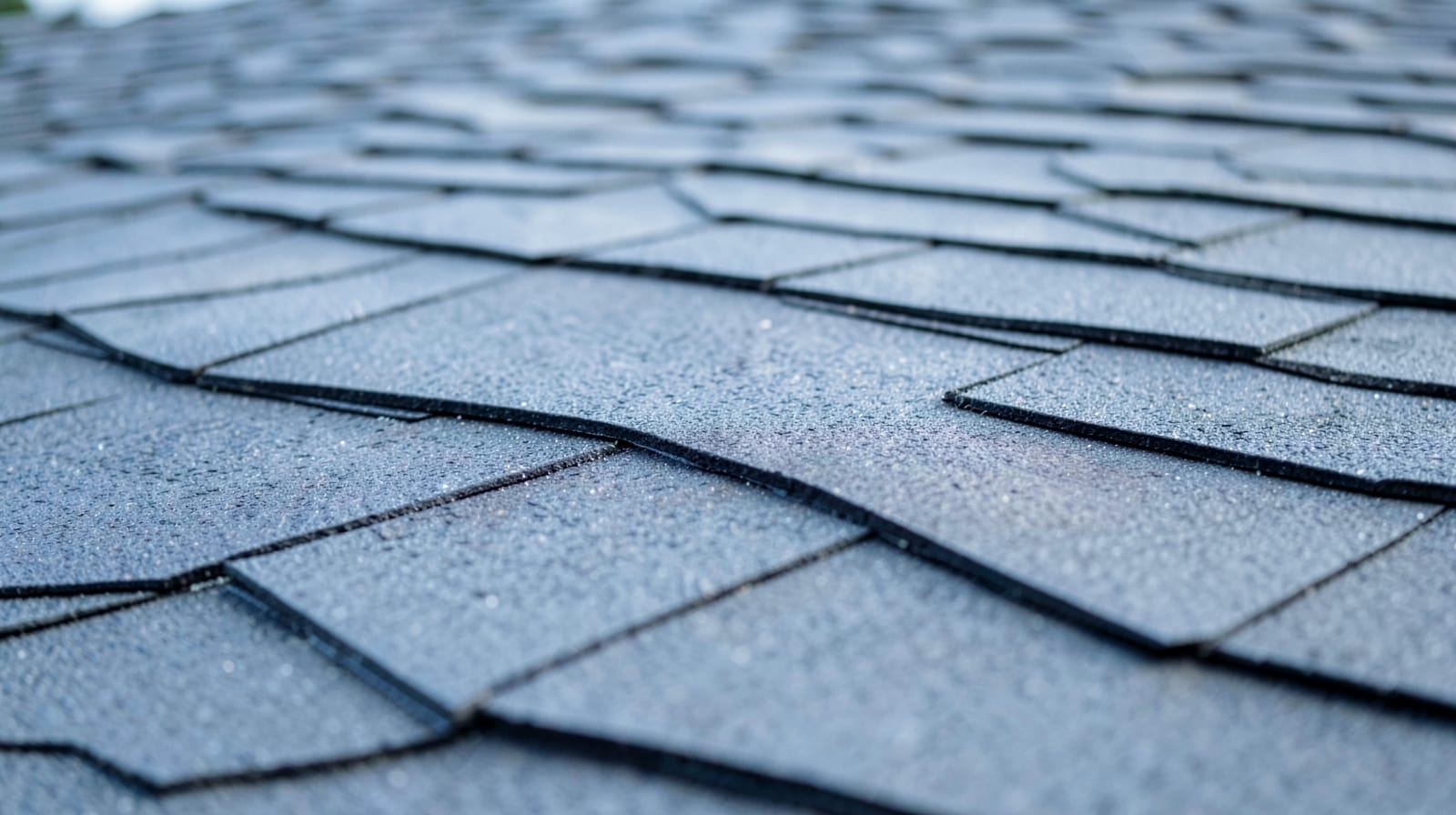
New Construction Final Clean in Spartanburg, SC
New Construction Final Clean in Spartanburg, SC — thorough post-construction cleanup using pressure washing to remove debris, dust, and residue from new builds.
Learn More
Hard Water Stain Removal in Spartanburg, SC
Hard Water Stain Removal in Spartanburg, SC — pressure washing to remove hard water stains from exterior surfaces.
Learn More
Salt Deposit Removal in Spartanburg, SC
Salt Deposit Removal in Spartanburg, SC — high-pressure washing to remove salt deposits from surfaces like driveways and sidewalks.
Learn More
House Washing in Spartanburg, SC
Soft-wash exterior house washing for siding, brick, and stucco in Spartanburg, SC — removes dirt, algae, mildew, and pollen film, without damaging the surface.
Learn MoreCommon Questions About Pressure Washing in Spartanburg
Everything you need to know about pressure washing services in Spartanburg
How much does Brick Cleaning typically cost in Spartanburg, SC?
Why does algae and mildew growth on homes in Spartanburg, SC come back so quickly?
Can the wrong PSI actually damage a house or driveway?
What's the actual difference between pressure washing and soft washing?
How often should a home's exterior actually be washed?
Are the cleaning chemicals used in soft washing safe for landscaping and pets?
Need Pressure Washing in Spartanburg?
Get a written quote from our Spartanburg crew.
⏰ We answer your call • Serving all of Spartanburg and surrounding areas