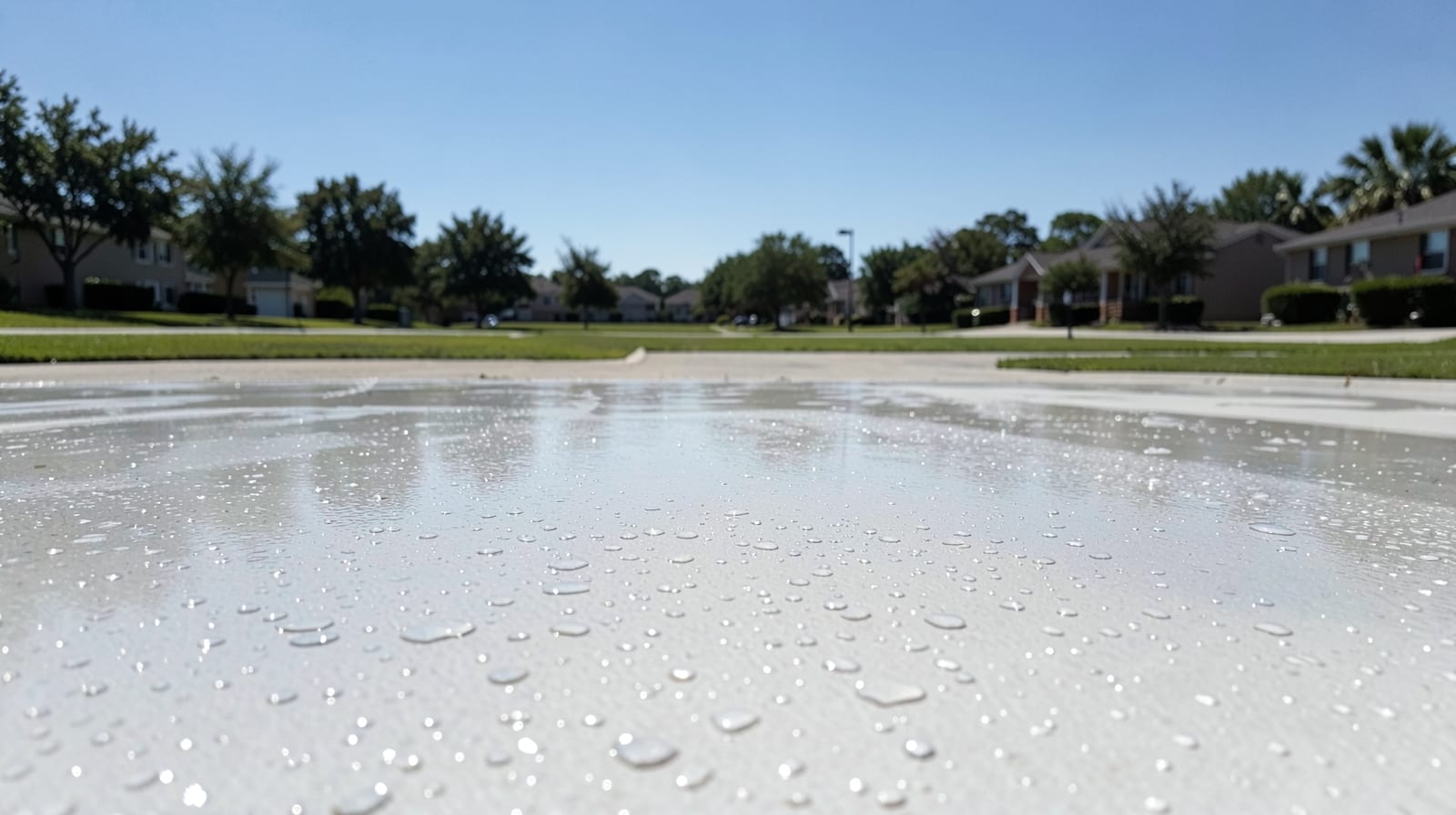
HOA Common Area Washing
Pressure washing HOA common areas like sidewalks, playgrounds, and entryways to remove dirt and grime.
HOA common area washing in Spartanburg, SC keeps shared spaces like walkways, benches, and community signage clean and inviting for all residents. Using pressure washing, this service removes dirt, algae, and stains while protecting surfaces and landscaping to maintain curb appeal.
Signs your HOA common areas need washing
HOA common areas can accumulate grime gradually, making it easy to overlook until the problem becomes obvious. Green or black streaking on less sun-exposed surfaces often indicates algae or mildew, which spreads over time. A chalky residue on surfaces, noticed by running your hand across them, signals oxidation or accumulated dirt.
We also handle Driveway & Concrete Cleaning and Roof Washing (Soft Wash) for Spartanburg properties.
Cobwebs and insect debris tend to collect first in corners, under eaves, and around light fixtures. Removing mounted items like signs or planters and comparing the covered area to the exposed surface reveals fading or dirt buildup that might otherwise go unnoticed.
Quick Visual Checks for HOA Common Areas
- Green or black streaks on shaded sides of structures
- Chalky residue when touching surfaces
- Cobwebs and debris in corners, under eaves, or around fixtures
- Visible contrast between covered and exposed areas after removing mounted items
What affects HOA common area washing costs
Pricing for HOA common area washing in Spartanburg is typically quoted per project, not by a fixed price range. Key factors include the total square footage of the area, water reclamation requirements, and scheduling around community activities or business hours.
Additional considerations may include the type of surfaces (e.g., concrete, wood, vinyl), the need for specialized detergents, and whether the job requires recurring service for fleet or equipment washing.
Protecting your HOA’s landscaping and structures
Before any washing begins, landscaping near foundations is wetted down and covered, and exterior outlets or fixtures are bagged. This prevents damage from cleaning solution runoff or overspray, which are leading causes of complaints after pressure washing jobs.
Avoid forcing water behind siding seams or up under lap edges, as trapped water can cause mold growth or rot inside wall cavities. Always use the correct pressure and method for each surface material.
How HOA common area washing works
A thorough process ensures clean, damage-free results.
- 1Surface Preparation
Landscaping is wetted down and covered, and exterior outlets or fixtures are bagged to protect them from overspray and runoff.
- 2Detergent Pre-Treatment
A cleaning solution tailored to the surface material (e.g., vinyl, wood, stucco) is applied at low pressure and left to dwell, breaking down algae and mildew chemically.
- 3Soft-Wash Rinse
The area is rinsed at low pressure (under 500 psi) using a wide-fan tip, working top to bottom in overlapping passes to avoid streaking.
- 4Spot Treatment and Final Inspection
Stubborn stains receive a second, more concentrated pass. A final clear-water rinse removes detergent residue, and the area is inspected in daylight for missed spots or damage.
Frequently asked questions
How often should HOA common areas be washed?
Frequency depends on moisture exposure. Areas shaded by vegetation or gutters may need attention more often. Trimming back plants and keeping gutters clear can extend the time between cleanings.
Will pressure washing damage my HOA’s siding or signage?
Not if done correctly. The wrong pressure for the material (e.g., vinyl, stucco, fiber cement) can cause damage, but a soft-wash method with the appropriate PSI ensures safe, effective cleaning.
What should I look for in a quote for HOA common area washing?
Ensure the quote specifies the PSI and method (pressure wash vs. soft wash) for each surface. It should also include a written scope of all surfaces, disclose chemicals used, and clarify policies for pre-existing damage.
Can pressure washing remove all stains from HOA common areas?
Most stains can be removed with the right chemicals and techniques. However, pre-existing damage like cracked paint or loose mortar may become visible after cleaning and should be addressed separately.
See Southern Shops, SC for more, or browse every option available in Spartanburg by category for our complete lineup.
Ready to get started?
Talk to a local pressure washing pro in Spartanburg — get a written quote.
Other Pressure Washing Services in Spartanburg
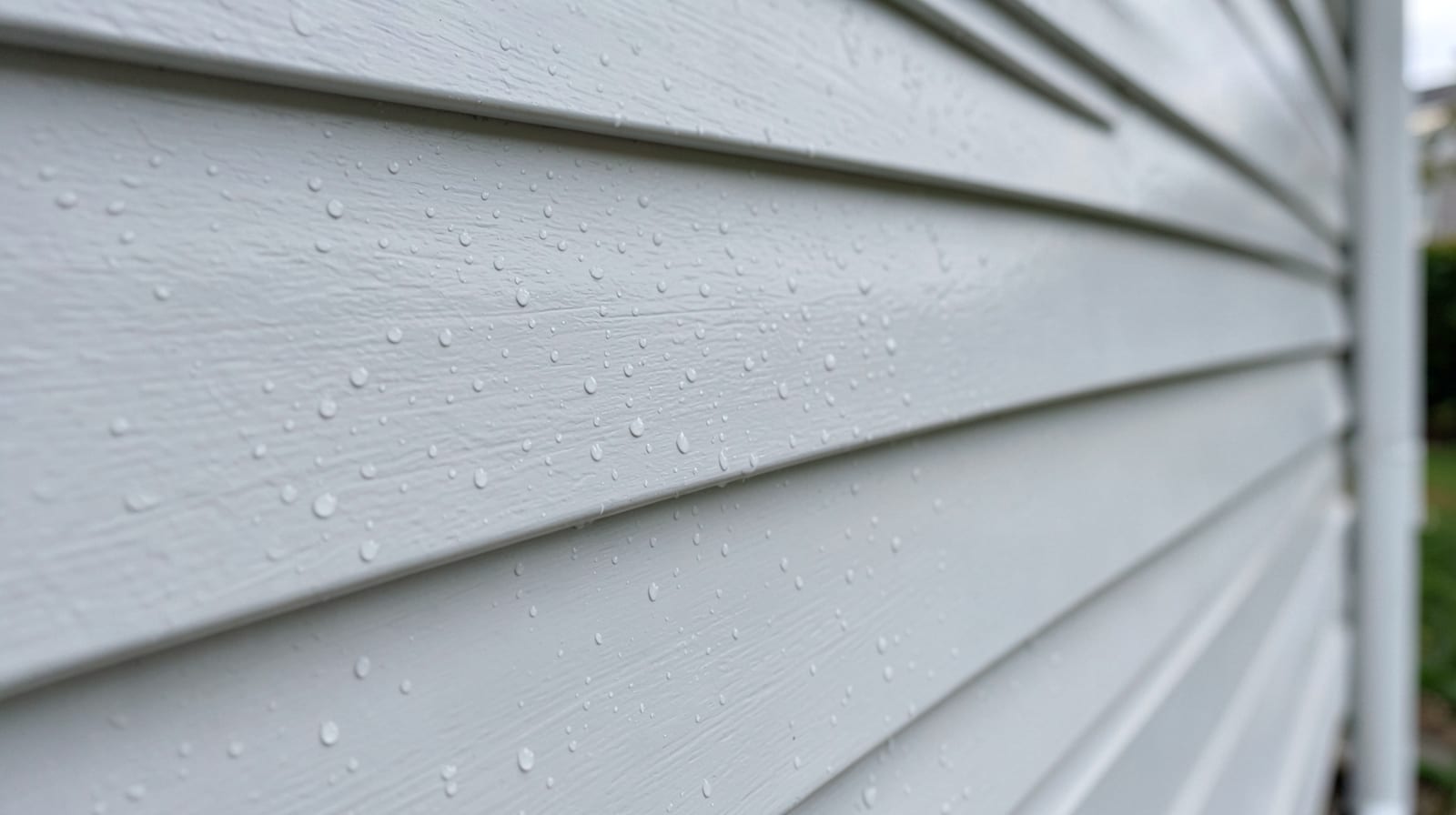
Driveway & Concrete Cleaning in Spartanburg, SC
Driveway & Concrete Cleaning in Spartanburg, SC — pressure washing for driveways, walkways, and patios in Spartanburg, SC — lifts oil stains, tire marks, and algae, mildew, and pollen film from concrete.
Learn More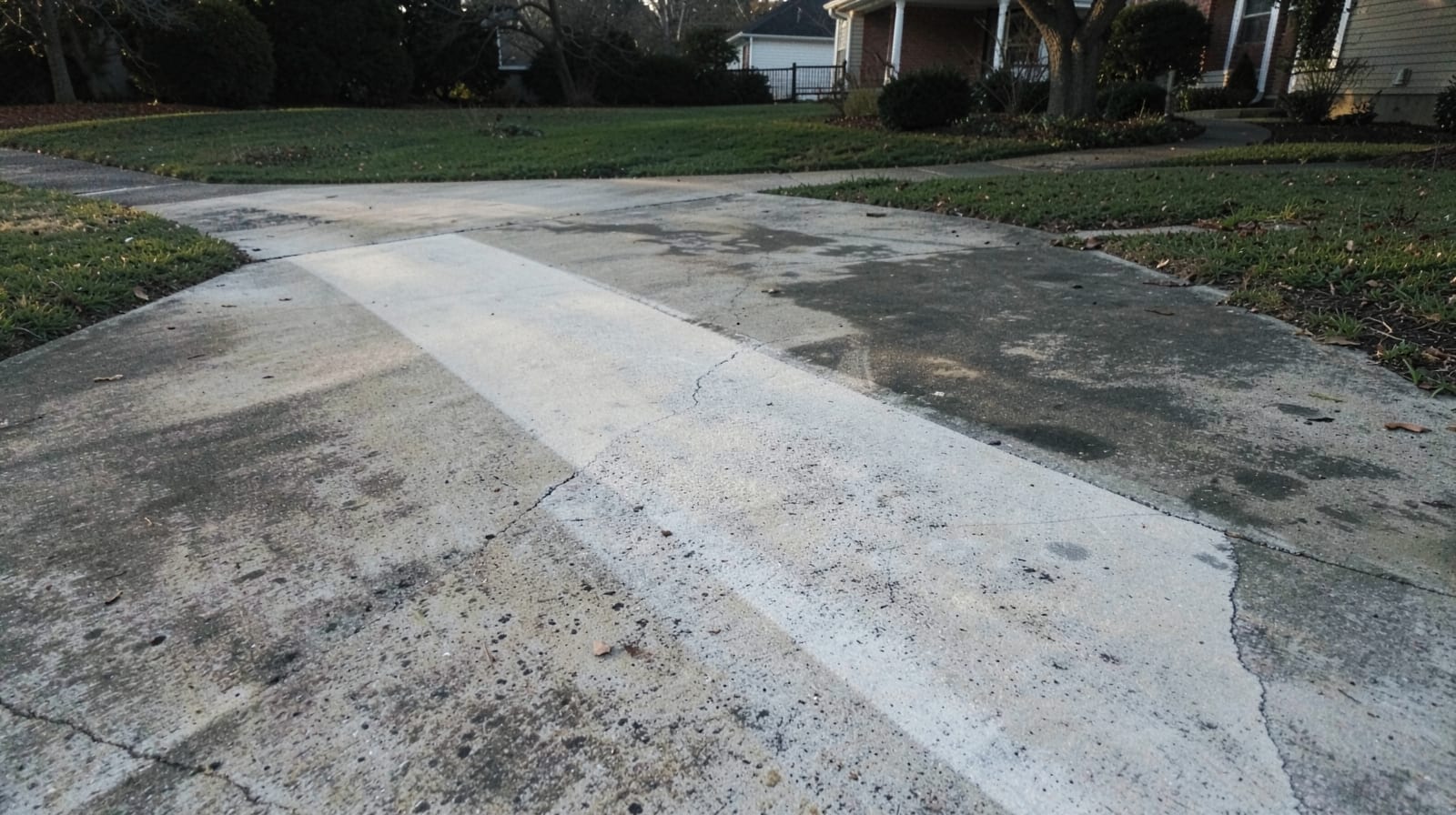
Roof Washing (Soft Wash) in Spartanburg, SC
Low-pressure soft-wash roof cleaning in Spartanburg, SC removes algae streaks without damaging shingles.
Learn More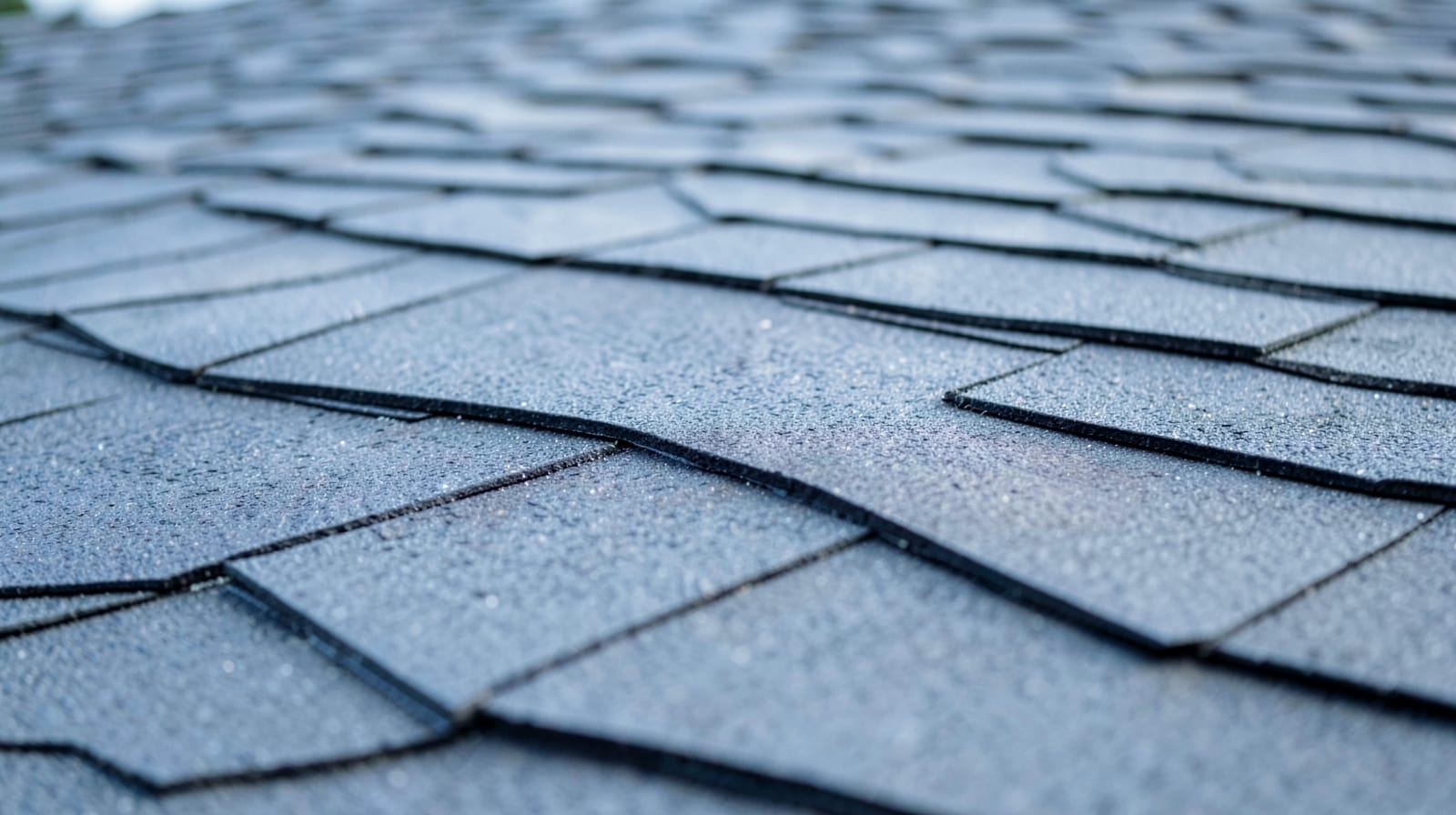
Deck & Fence Cleaning in Spartanburg, SC
Wood and composite deck and fence cleaning in Spartanburg, SC — restores surfaces before staining or sealing.
Learn More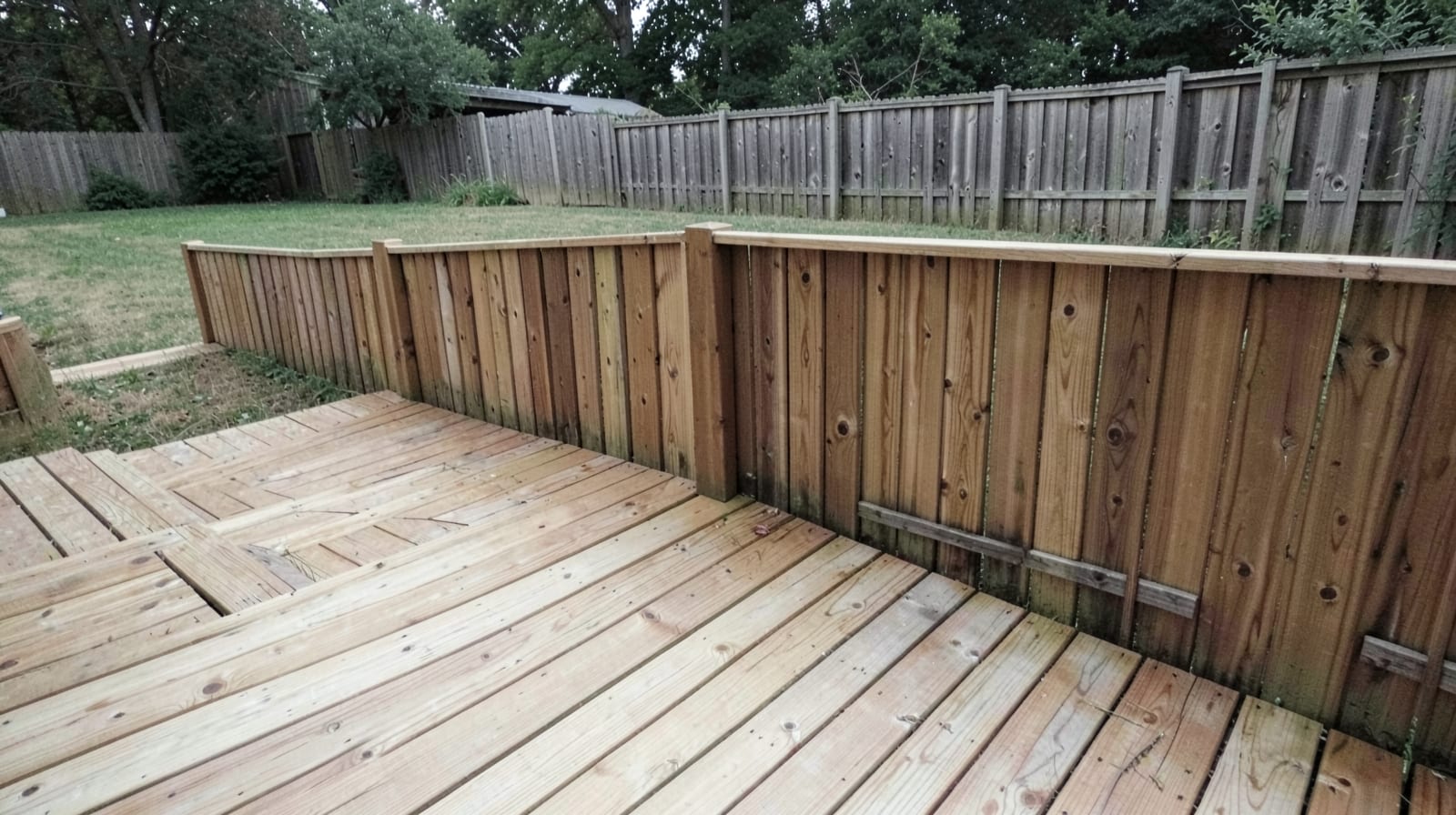
Gutter Cleaning in Spartanburg, SC
Gutter and downspout cleaning in Spartanburg, SC to clear leaf buildup and keep water flowing away from the foundation.
Learn More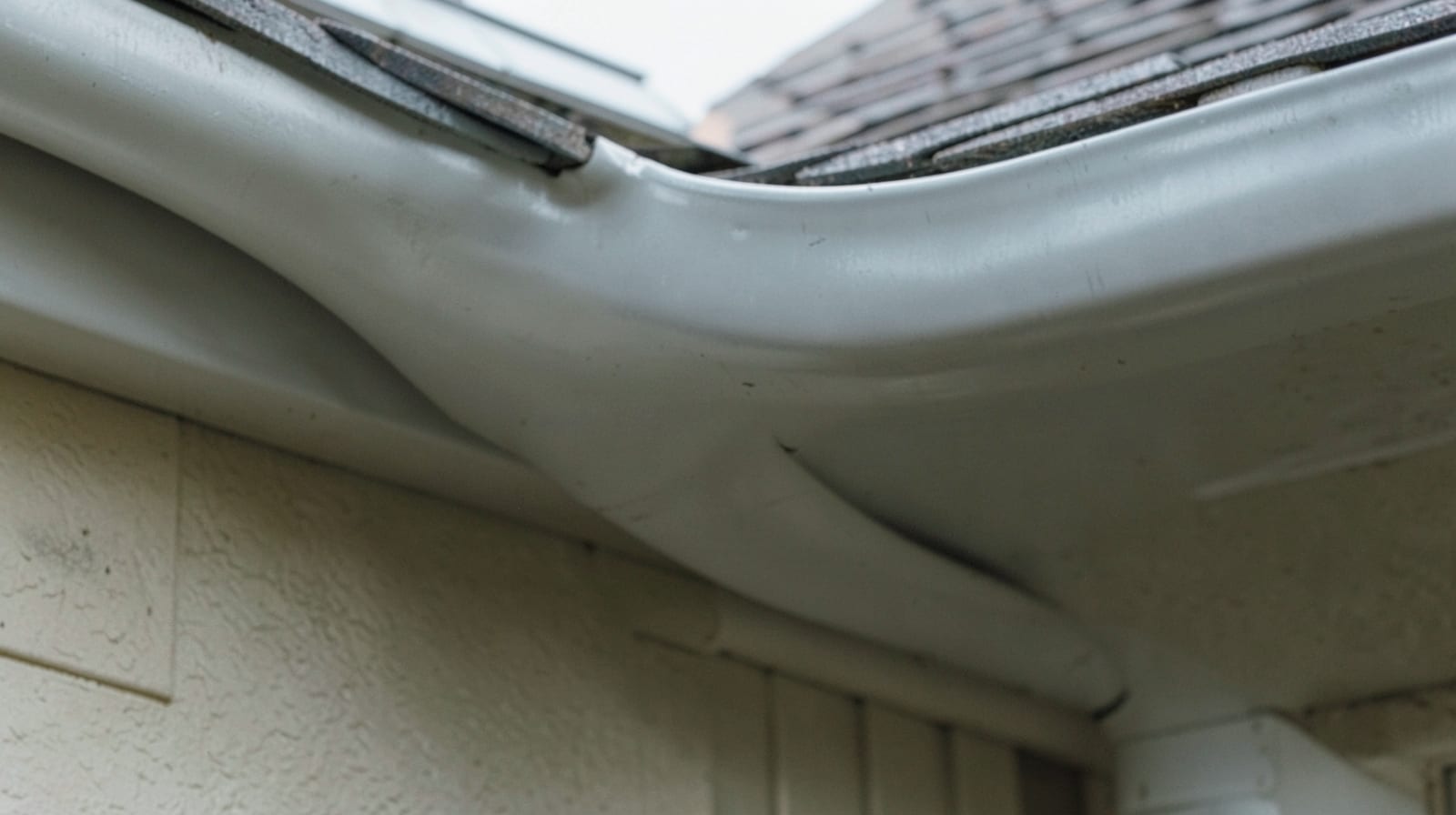
Window Cleaning in Spartanburg, SC
Exterior window and window-frame cleaning in Spartanburg, SC, often bundled with a full house wash.
Learn More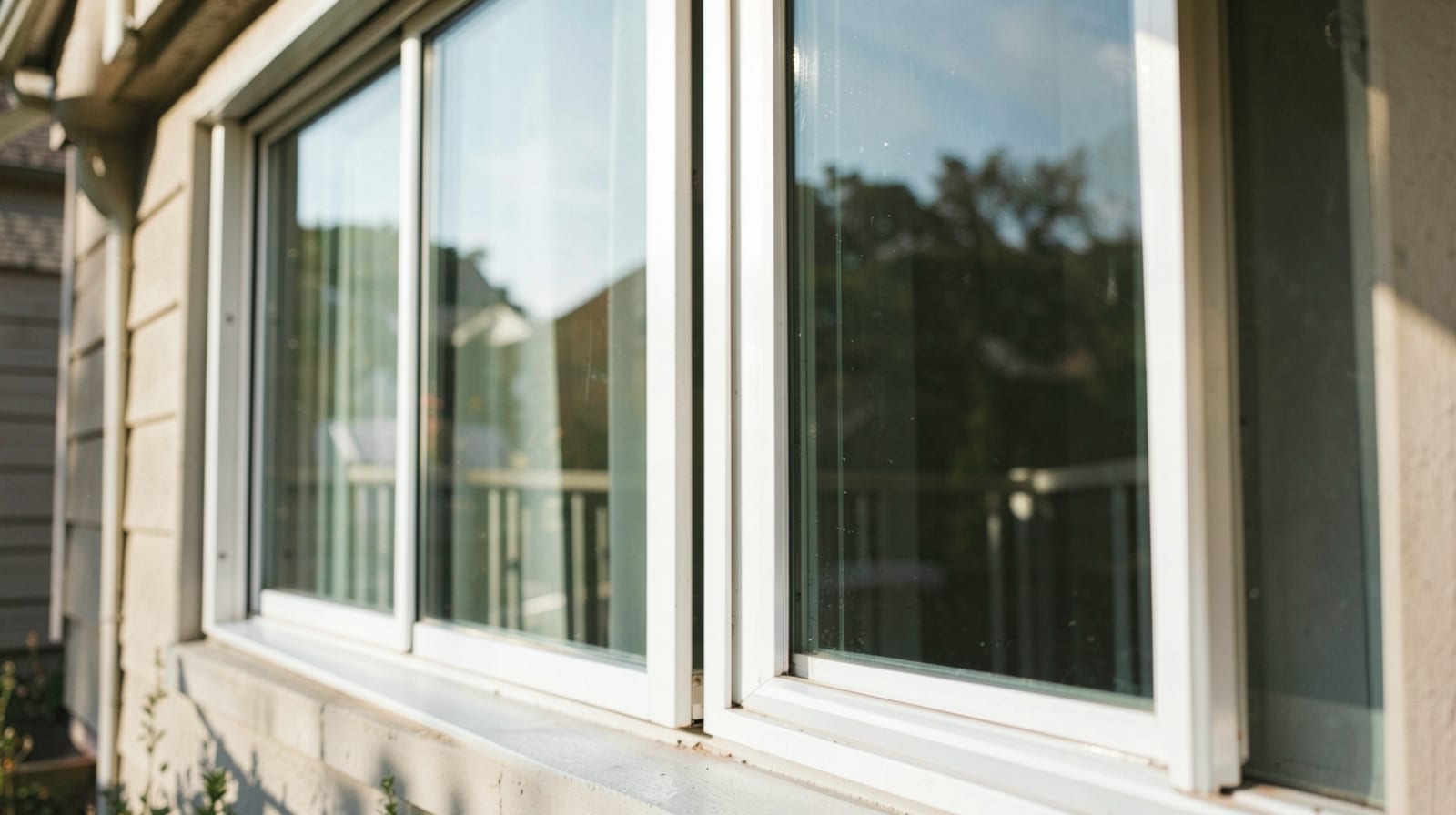
Commercial Pressure Washing in Spartanburg, SC
Pressure washing for storefronts, parking lots, and commercial properties in Spartanburg, SC.
Learn MoreCommon Questions About Pressure Washing in Spartanburg
Everything you need to know about pressure washing services in Spartanburg
How much does HOA Common Area Washing typically cost in Spartanburg, SC?
Why does algae and mildew growth on homes in Spartanburg, SC come back so quickly?
What are the actual named steps in a professional pressure washing job?
Can the wrong PSI actually damage a house or driveway?
What's the actual difference between pressure washing and soft washing?
How often should a home's exterior actually be washed?
Need Pressure Washing in Spartanburg?
Get a written quote from our Spartanburg crew.
⏰ We answer your call • Serving all of Spartanburg and surrounding areas