How to Select the Right Turbo Tip for Your Pressure Washer in Spartanburg
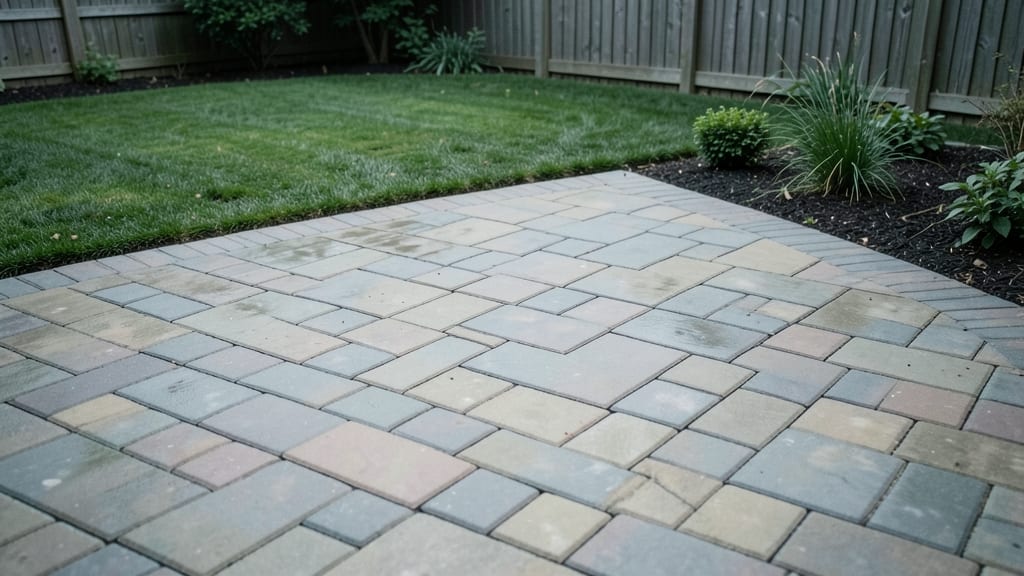
A turbo tip can transform a pressure washer from a basic cleaner into a high-efficiency machine for tough stains on concrete, driveways, and other hard surfaces. Selecting the right one depends on your machine’s specs, the job at hand, and even local conditions like Spartanburg’s humid summers and clay-heavy soil.
What Is a Turbo Tip and Why Use One?
A turbo tip, or turbo nozzle, is a rotating pressure washer attachment that combines the power of a 0-degree (pinpoint) nozzle with the coverage of a wider spray. It spins at high speed, creating a concentrated, oscillating jet that blasts away grime without the risk of etching surfaces like a fixed 0-degree tip.
In Spartanburg, where driveways and sidewalks often accumulate red clay stains, mildew, and hard water deposits, a turbo tip can cut cleaning time in half compared to standard nozzles. It’s ideal for large, flat surfaces like patios, pool decks, and commercial parking lots.
Key Specs: PSI, GPM, and Nozzle Degree
PSI (pressure) and GPM (flow rate) are the two critical numbers to match. A turbo tip must handle your washer’s maximum PSI—exceeding it risks damage to the tip or the machine. For residential washers (2,000–4,000 PSI), a 2.5–4.0 GPM turbo tip is typical.
The nozzle degree (e.g., 25°, 40°) refers to the spray angle of the rotating jet. Lower degrees (15°–25°) deliver more concentrated power for stubborn stains, while wider angles (40°) cover more area faster but with less intensity. For Spartanburg’s tough clay and mold, a 25° turbo tip is a versatile starting point.
| Nozzle Degree | Best For | Avoid For |
|---|---|---|
| 15° | Deep stains, oil spots, heavy mildew | Delicate surfaces, wide areas |
| 25° | Driveways, sidewalks, general heavy cleaning | Very soft wood, loose mortar |
| 40° | Large areas, light cleaning, detergent application | Tough stains, deep grime |
Material Matters: Ceramic vs. Stainless Steel Orifices
Turbo tips use either ceramic or stainless steel orifices. Ceramic lasts longer—often 2–3 times as long as stainless—because it resists wear from abrasive particles in water, a common issue in Spartanburg’s well-water areas. It’s also better for high-PSI applications.
Stainless steel is cheaper and works fine for occasional use or lower PSI (under 3,000). However, it’s prone to pitting and erosion, especially with hard water or sandy supply lines. For frequent use or commercial jobs, ceramic is the better investment.
If your water supply has high mineral content, flush your system with a descaler or vinegar solution periodically to extend the life of ceramic orifices.
Matching the Turbo Tip to Your Pressure Washer
Not all turbo tips fit all wands. Check the thread size (usually 1/4" or 3/8" NPT) and the connection type (M22, quick-connect, etc.). Most consumer-grade washers use M22-14mm threads, while commercial units often require 3/8" NPT.
Also verify the maximum PSI rating on the tip. A tip rated for 4,000 PSI can handle a 3,500 PSI washer, but the reverse isn’t true. Using an under-rated tip can cause it to crack or fail, sending debris flying at high speed.
Never exceed the turbo tip’s PSI rating. A failing tip can shatter, creating hazardous projectiles. Always wear eye protection when pressure washing.
Turbo Tip Sizes and Flow Rates
Turbo tips are sized by orifice diameter, typically ranging from 2.0 to 6.5 (in 0.5 increments). The size affects both pressure and flow. A smaller orifice (e.g., 2.5) increases pressure but reduces GPM, while a larger one (e.g., 4.0) does the opposite.
For Spartanburg’s common residential tasks—driveway cleaning, patio washing—a 3.5 or 4.0 orifice is a balanced choice. For commercial work or heavy-duty stain removal, a 2.5 or 3.0 may be better. Always refer to your washer’s manual for compatible sizes.
Surface Considerations in Spartanburg
Spartanburg’s climate and terrain create unique challenges. Red clay stains on concrete, mildew on brick, and hard water deposits on vinyl siding are common. A turbo tip’s rotating action is perfect for these, but the wrong degree or PSI can damage softer materials.
For concrete and stone, a 25° turbo tip at 3,000–4,000 PSI works well. For wood decks or fences, avoid turbo tips entirely—use a wider-angle nozzle (40°) and lower PSI to prevent etching or splintering.
Surfaces Safe for Turbo Tips
- Concrete driveways and sidewalks
- Brick and stone pavers (sealed)
- Stamped concrete
- Asphalt (with caution—test a small area first)
- Metal surfaces (e.g., dumpster pads, fleet vehicles)
When to Avoid a Turbo Tip
Turbo tips aren’t universal. Avoid them on delicate surfaces like wood, painted surfaces, or loose mortar between bricks. The concentrated jet can strip paint, gouge wood, or erode grout.
They’re also not ideal for detergent application. For pre-treating surfaces with soap or mildew treatment in Spartanburg’s humid conditions, switch to a 40° or soap nozzle to ensure even coverage without damaging the surface.
How to Install and Test a Turbo Tip
Follow these steps to safely install and test your new turbo tip before tackling a big job.
- 1Inspect the Tip
Check the turbo tip for cracks, wear, or debris in the orifice. If it’s damaged, replace it before use.
- 2Match Threads and Connect
Screw the turbo tip onto your wand or extension, ensuring the threads match (M22 or NPT). Hand-tighten only—overtightening can strip threads.
- 3Test on a Small Area
Point the wand at a small, inconspicuous section of the surface. Start at a distance of 12–18 inches and move closer gradually to gauge the effect.
- 4Adjust Distance and Angle
For tough stains, hold the tip 6–12 inches from the surface. For lighter cleaning, increase the distance. Keep the wand moving to avoid creating stripes or etching.
- 5Monitor for Wear
After 20–30 minutes of use, check the tip for signs of wear or reduced performance. Replace it if the spray pattern becomes uneven or weak.
Frequently Asked Questions
Can I use a turbo tip on my electric pressure washer?
Most electric pressure washers (1,300–2,200 PSI) lack the power to effectively spin a turbo tip. They’re designed for gas-powered units with at least 2,500 PSI and 2.0+ GPM. Stick to standard nozzles for electric models.
How often should I replace my turbo tip in Spartanburg?
With regular use, a ceramic turbo tip lasts 50–100 hours, while stainless may last 30–50 hours. Spartanburg’s hard water can shorten this lifespan, so inspect the tip before each use and replace it at the first sign of wear or reduced performance.
What’s the difference between a turbo tip and a surface cleaner?
A turbo tip is a single-nozzle attachment that spins to cover a wider area, while a surface cleaner is a multi-nozzle assembly (often with 2–4 tips) that rotates for even larger coverage. Surface cleaners are better for big, flat areas like driveways, but turbo tips are more versatile for smaller or uneven surfaces.
Will a turbo tip remove oil stains from my driveway in Whitney or Roebuck?
Yes, a 15° or 25° turbo tip at 3,000+ PSI can blast away most oil stains, especially if pre-treated with a degreaser. For older stains, you may need to repeat the process or use a specialized concrete cleaner.
Can I use a turbo tip for washing my house’s vinyl siding?
No. Turbo tips are too aggressive for vinyl siding and can cause damage. Use a 25° or 40° standard nozzle with a lower PSI (under 2,000) and a detergent designed for siding to avoid streaking or warping.
How quickly can a crew respond for pressure washing in Spartanburg?
Response times depend on crew availability, job size, and weather conditions. Larger projects or those in remote areas like Glenn Springs or Pacolet may require more scheduling lead time. Request a quote to discuss timing for your specific needs.