How to Select the Best Pressure Washer Brush Attachment for Driveways in Spartanburg
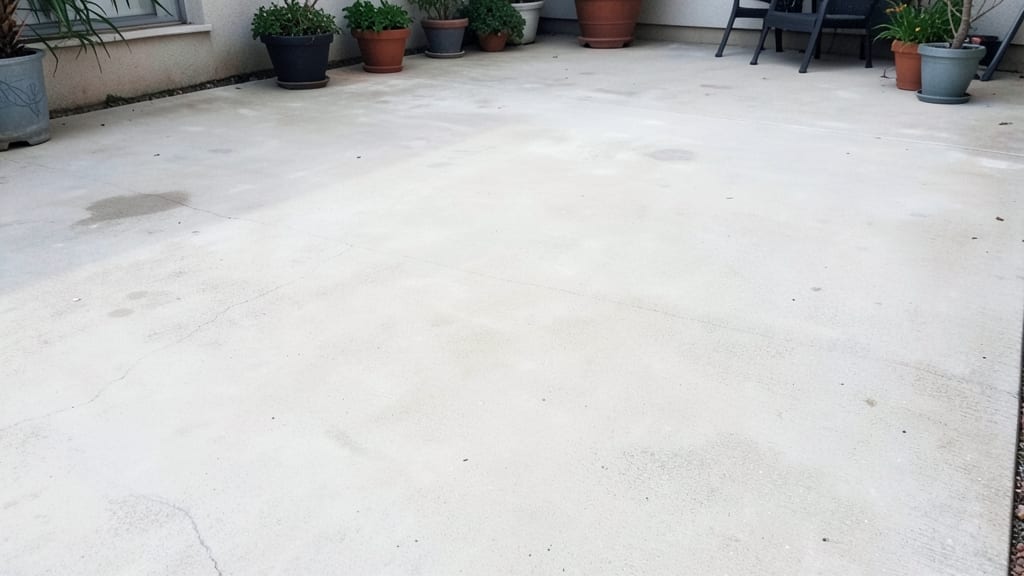
Selecting the right brush attachment for a pressure washer can make or break driveway cleaning results. In Spartanburg, where pollen, mildew, and dirt accumulate quickly, the wrong choice leaves streaks or damage. The best attachment balances bristle stiffness, rotation speed, and compatibility with your machine’s PSI and GPM.
Why a Brush Attachment Beats a Standard Nozzle for Driveways
A standard pressure washer nozzle can etch concrete or strip pavers if held too close. Brush attachments distribute pressure evenly, reducing risk of surface damage while lifting embedded grime.
For Spartanburg driveways, where clay soil and organic debris are common, a brush agitaes dirt loose before the water blasts it away. This dual action cuts cleaning time and water use.
Brush Types: Soft vs. Stiff vs. Rotating
Soft-bristle brushes suit delicate surfaces like stained concrete or pavers. They prevent scratching but may struggle with heavy oil stains or deep-seated mold.
Stiff-bristle brushes tackle tough grime on plain concrete or asphalt. In Spartanburg’s humid summers, these excel at removing mildew and algae without chemicals.
Rotating brushes combine bristle action with spin, covering more area faster. Ideal for large driveways in neighborhoods like Hilltop or Valley Falls, where time and effort matter.
| Brush Type | Best For | Avoid On | Pressure Range |
|---|---|---|---|
| Soft Bristle | Stained concrete, pavers, delicate surfaces | Heavy oil stains, deep mold | 1,500–2,500 PSI |
| Stiff Bristle | Plain concrete, asphalt, tough grime | Sealed or painted surfaces | 2,000–3,500 PSI |
| Rotating Brush | Large areas, heavy debris | Loose or damaged pavers | 2,200–4,000 PSI |
Matching the Brush to Your Pressure Washer’s PSI and GPM
PSI (pressure) and GPM (flow rate) dictate how effectively a brush cleans. Low-PSI washers under 2,000 need soft brushes to avoid inefficiency. High-PSI models (3,000+) can handle stiff or rotating brushes for stubborn stains.
Spartanburg homeowners with mid-range washers (2,200–2,800 PSI) often find rotating brushes the best balance. Always check the attachment’s max PSI rating to prevent bristle damage or kickback.
Using a stiff brush on a 4,000 PSI washer can pit concrete or fling debris dangerously. Start at a lower setting and test a small area first.
Bristle Material Matters for Longevity and Safety
Nylon bristles are common for general use, resisting chemicals and UV exposure. They’re ideal for Spartanburg’s sunny days but may wear faster on rough asphalt.
Polypropylene bristles are stiffer and last longer against abrasive surfaces. For oil-stained driveways near Boiling Springs or Inman, these hold up better under repeated use.
Natural bristles (like horsehair) are rare for pressure washers but appear in specialty soft brushes. They’re gentle but degrade quickly in wet conditions.
Size and Coverage: Width and Diameter Considerations
Brush width (typically 10–18 inches) determines how much area you cover per pass. Wider brushes speed up work on long driveways but may be harder to maneuver in tight spaces like Arkwright or Drayton.
Diameter affects bristle contact. Larger diameters (12+ inches) provide more scrubbing power but require higher GPM to avoid clogging. Smaller brushes (8–10 inches) fit better in corners or near garage doors.
Driveway Surface: Concrete, Asphalt, or Pavers
Concrete driveways in Spartanburg often develop mildew or hard water stains. A stiff or rotating brush with a 25–40° nozzle tip works best for deep cleaning without etching.
Asphalt is softer and prone to damage. Use a soft or medium-bristle brush with lower PSI (1,800–2,500) to avoid stripping the top layer. Avoid rotating brushes on old or cracked asphalt.
Pavers require gentle agitation to avoid dislodging sand joints. A soft-bristle brush or surface cleaner with a wide spray pattern prevents erosion. Re-sand joints after cleaning in areas like Glendale or Roebuck.
Apply a degreaser or mildew treatment 10–15 minutes before brushing. This loosens contaminants, reducing the pressure (and time) needed.
Additional Features: Adjustable Angles, Wheels, and Handles
Adjustable-angle brushes let you switch between horizontal and vertical scrubbing. Useful for driveway edges or vertical surfaces like retaining walls in Fairforest or Converse.
Wheeled brushes reduce fatigue on large driveways. Look for models with locking wheels for stability on slopes. Handles with ergonomic grips help control the attachment during long cleaning sessions.
Some brushes include built-in soap dispensers. For Spartanburg’s pollen-heavy springs, this allows simultaneous detergent application and scrubbing.
Maintenance and Storage for Longevity
Rinse brushes thoroughly after each use to remove debris and detergent residue. Left-on grime can harden bristles or corrode metal parts.
Store brushes in a dry place to prevent mildew growth on bristles. Hang them or use a wall mount to avoid bending. In Spartanburg’s humid climate, a dehumidifier in the storage area helps.
Inspect bristles and connections before each use. Replace worn bristles or cracked housings to maintain performance and safety.
Post-Cleaning Brush Care
- Rinse with clean water immediately after use
- Remove and clean any clogged debris from bristles
- Check for loose or damaged parts
- Store in a dry, ventilated area
How to Test a Brush Attachment Before Full Driveway Cleaning
Always verify a brush’s effectiveness and safety on a small, hidden area first.
- 1Inspect the Driveway
Choose a 2x2 ft test spot in an inconspicuous area. Note the surface type (concrete, asphalt, pavers) and any existing damage or stains.
- 2Set Up the Pressure Washer
Attach the brush and set the PSI to the manufacturer’s recommended range for the surface. Use a 25° nozzle tip for a balanced spray.
- 3Apply Detergent (Optional)
For tough stains, apply a driveway cleaner to the test area. Let it dwell for 5–10 minutes before scrubbing.
- 4Test the Brush
Run the brush over the test area in slow, overlapping passes. Observe the cleaning action and check for surface damage or uneven results.
- 5Adjust and Re-Test
If the brush isn’t effective, increase PSI slightly or switch to a stiffer bristle. If damage occurs, reduce pressure or try a softer brush.
- 6Proceed with Full Cleaning
Once satisfied, clean the entire driveway in sections, working from the top down to avoid re-soiling cleaned areas.
Frequently Asked Questions
Can I use a pressure washer brush attachment on a sealed driveway in Spartanburg?
A soft-bristle brush is safest for sealed driveways. Stiff bristles can strip the sealant, especially if the pressure exceeds 2,000 PSI. Test a small area first and reapply sealant if needed after cleaning.
How often should I clean my driveway with a brush attachment?
In Spartanburg, aim for twice a year—spring to remove pollen and fall to address mildew before winter. High-traffic driveways or those near trees may need quarterly cleaning.
What’s the difference between a brush attachment and a surface cleaner?
Brush attachments use bristles to agitate dirt, while surface cleaners rely on high-pressure water and rotating nozzles. Surface cleaners cover more area faster but may not deep-clean as effectively as a brush for stubborn stains.
Do I need a specific brush for oil stains on my driveway?
Yes. Oil stains require a stiff-bristle or rotating brush with a degreaser pre-treatment. For heavy stains in areas like Southern Shops or Whitney, a dedicated oil-stain brush with nylon or polypropylene bristles works best.
How do I prevent streaks when using a brush attachment?
Streaks often result from uneven pressure or inconsistent passes. Use overlapping strokes, maintain a consistent distance (6–12 inches), and work in small sections. Rinse immediately after scrubbing to prevent dried detergent residue.
Are there brush attachments for electric pressure washers?
Yes, but options are limited. Electric washers typically max out at 2,000 PSI, so stick to soft or medium-bristle brushes. Avoid rotating brushes, as they may exceed the washer’s capacity.