How to Choose the Right PSI Pressure Washer for Your Needs in Spartanburg
Choosing the right PSI pressure washer means matching the machine’s power to the job. Too much pressure damages surfaces; too little leaves grime behind. Spartanburg’s humid climate and varied surfaces demand careful selection to balance efficiency and safety.
Understanding PSI and GPM basics
PSI (pounds per square inch) measures water pressure, while GPM (gallons per minute) measures flow rate. Both determine cleaning power. Higher PSI tackles tough stains, but GPM clears debris faster.
A machine with 2,000–3,000 PSI and 1.5–2.5 GPM handles most residential tasks in areas like Boiling Springs or Valley Falls. Commercial jobs often require 3,000+ PSI with higher GPM for large areas like parking lots or warehouse exteriors.
Matching PSI to common surfaces
Delicate surfaces like vinyl siding or painted wood need 1,200–1,900 PSI to avoid damage. Use a 25°–40° nozzle to widen the spray and reduce impact.
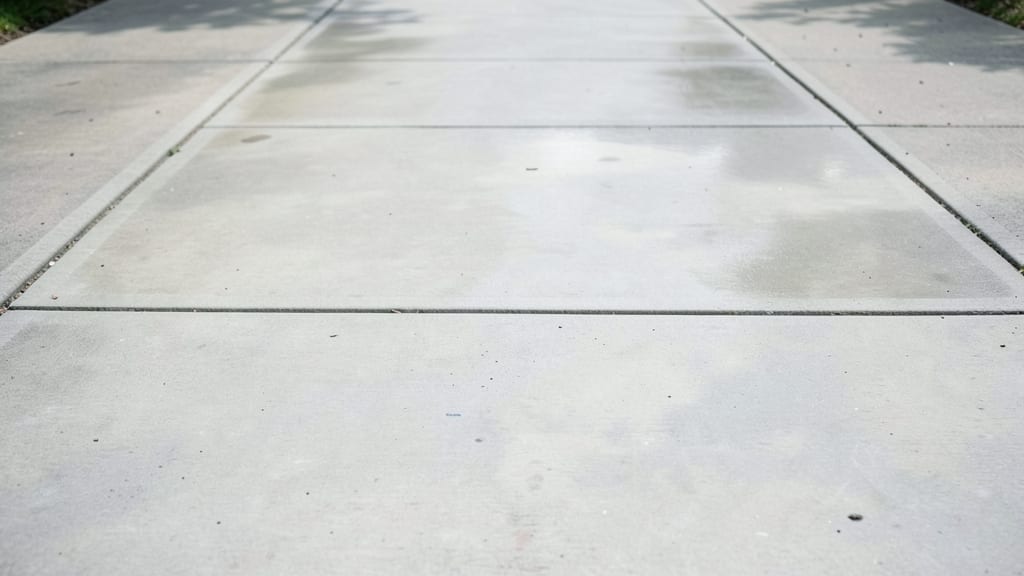
Concrete driveways in neighborhoods like Hilltop or Drayton typically require 3,000–4,000 PSI. A 15° nozzle or surface cleaner attachment improves results on stubborn stains like oil or hard water deposits.
| Surface | PSI Range | Nozzle Tip |
|---|---|---|
| Vinyl siding, painted wood | 1,200–1,900 PSI | 25°–40° |
| Decking, fences (wood/composite) | 1,500–2,500 PSI | 25°–40° |
| Concrete, brick, stone | 3,000–4,000 PSI | 15°–25° |
| Mildew treatment (soft wash) | 500–1,200 PSI | 40° or chemical applicator |
| Commercial parking lots, dumpster pads | 3,500–4,500 PSI | 0°–15° or surface cleaner |
Electric vs. gas pressure washers: PSI considerations
Electric models typically max out at 2,000–2,200 PSI, ideal for light-duty tasks like patio furniture or small decks in areas like Inman or Lyman. They’re quieter and require less maintenance.
Gas-powered units deliver 2,500–4,500+ PSI, suited for heavy-duty work like driveway cleaning in Glendale or graffiti removal in downtown Spartanburg. They offer mobility but need regular upkeep.
For soft wash applications (roofs, delicate siding), use a low-PSI electric washer with a chemical injectors. This avoids damage while tackling Spartanburg’s frequent mildew and algae growth.
Nozzle tips and their role in PSI selection
Nozzle tips control spray angle and pressure intensity. A 0° tip (red) delivers full PSI in a pinpoint stream for tough stains but risks surface damage. Use sparingly on concrete or metal.
Wider tips (25°–40°) reduce effective PSI at the surface, making them safer for wood, siding, or vehicles. Always start with a wider tip and test on a small area first.
When higher PSI isn’t the answer
Some jobs require finesse over force. Soft washing for roofs or solar panels in areas like Cowpens or Pacolet uses low PSI (500–1,200) combined with specialized detergents to lift contaminants without harm.
High PSI can etch concrete, strip paint, or gouge wood. For historical homes in neighborhoods like Converse or Clifton, lower PSI and proper technique preserve integrity.
Never use a 0° nozzle on wood, vinyl, or painted surfaces. The concentrated stream can cause irreversible damage, leading to costly repairs or replacements.
GPM: the unsung hero of pressure washing
While PSI gets the attention, GPM determines how quickly you can clean. A 4,000 PSI washer with 2 GPM cleans faster than one with 4,000 PSI and 1 GPM. For large areas like warehouse exteriors in Reidville or Fairforest, prioritize GPM.
Residential tasks often balance both: 2,500 PSI at 2.3 GPM works well for driveways and sidewalks in Southern Shops or Arkwright.
Spartanburg-specific considerations
The Upstate’s humid climate accelerates mold, mildew, and algae growth. A washer with adjustable PSI (1,500–3,000) lets you switch between soft washing roofs and blasting driveway stains from hard water or pollen.
Neighborhoods with older homes, like Whitney or Saxon, may have more delicate surfaces. Lower PSI and softer nozzles prevent damage to aged brick, stone, or wood.
Maintenance and longevity at any PSI
Regardless of PSI, proper maintenance extends your washer’s life. Flush the system after each use to prevent mineral buildup from Spartanburg’s hard water. Inspect hoses and seals for wear.
Store units in a dry place, especially during winter months. Freezing temperatures can crack pumps or hoses, a common issue in areas like Fingerville or Startex.
Post-Use Maintenance Checklist
- Flush the system with clean water to remove detergent or debris
- Inspect and clean nozzle tips to prevent clogs
- Check hoses and connections for leaks or wear
- Store in a temperature-controlled space to avoid freeze damage
How to test PSI on a new surface
Always verify your pressure washer’s settings before starting a job to prevent damage.
- 1Start with the Widest Nozzle
Attach a 40° (white) nozzle to reduce pressure impact. This is the safest starting point for unknown surfaces.
- 2Hold the Wand 2–3 Feet Away
Begin spraying from a distance to gauge the effect. Gradually move closer if the surface tolerates it.
- 3Test on a Hidden Area
Choose an inconspicuous spot, like the back of a fence or a corner of a driveway, to check for damage or discoloration.
- 4Adjust PSI or Nozzle as Needed
If the surface shows signs of stress (e.g., wood splintering, paint peeling), switch to a wider nozzle or lower the PSI.
- 5Proceed with Full Coverage
Once safe, work in systematic passes, keeping the wand at a consistent distance for even cleaning.
Frequently asked questions
What PSI is safe for washing a car in Spartanburg?
Use 1,200–1,900 PSI with a 40° nozzle to avoid damaging paint or stripping wax. Higher PSI can dent panels or blow out seals. Always test on a small area first.
Can I use a 4,000 PSI washer on my deck in Boiling Springs?
No. Wood decks typically require 1,500–2,500 PSI. Exceeding this can splinter the wood or damage sealants. Use a 25°–40° nozzle and keep the wand moving.
How do I know if my pressure washer has enough GPM for a large driveway in Drayton?
For driveways, aim for at least 2.0 GPM. Lower GPM means slower cleaning and more passes, which can be inefficient for large areas. A surface cleaner attachment can compensate somewhat.
Is a gas or electric pressure washer better for Spartanburg’s climate?
Gas washers offer higher PSI for tough jobs but require more maintenance. Electric models are easier for light tasks and storage in humid conditions. Choose based on your typical jobs.
What’s the difference between PSI and cleaning power (CU)?
Cleaning power (CU) combines PSI and GPM (PSI × GPM). A washer with 3,000 PSI and 2 GPM has 6,000 CU, cleaning faster than one with 3,000 PSI and 1 GPM (3,000 CU).
How quickly can a pressure washing crew respond in Spartanburg?
Response times depend on crew availability, job scope, and weather. Heavy storm seasons or large commercial projects may delay scheduling. Request a quote to discuss timelines.