When to Use Detergent With Your Pressure Washer in Spartanburg
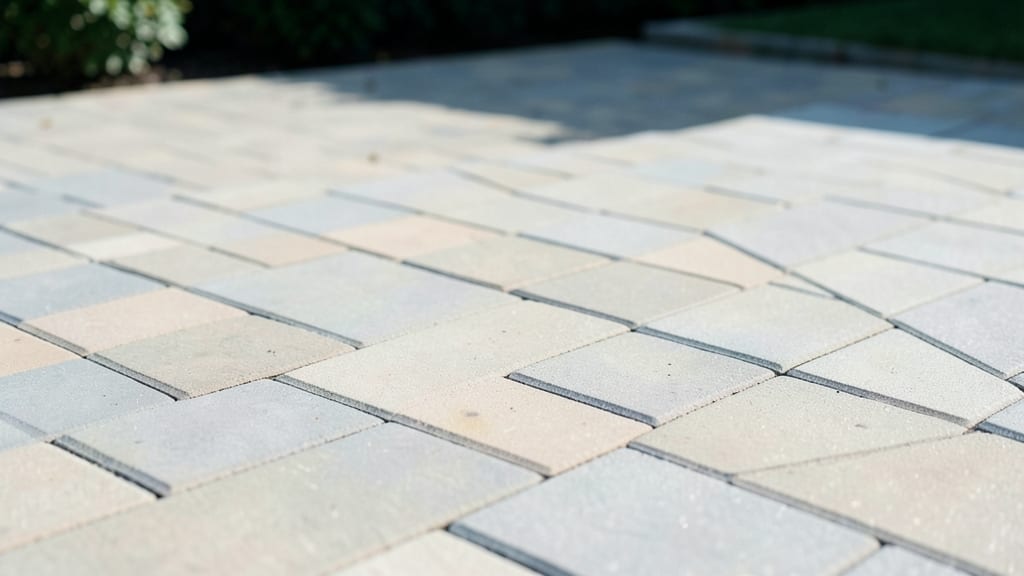
Pressure washing without detergent often leaves stubborn grime behind. In Spartanburg’s humid climate, organic growth like mildew and algae clings tighter, making detergent a necessity for many jobs. The frequency depends on the surface, the stain, and the equipment setup.
Why Detergent Matters in Pressure Washing
Detergent breaks down oils, dirt, and biological stains that water alone can’t lift. Surfactants in the solution reduce surface tension, letting the stream penetrate deeper into porous materials.
For Spartanburg’s clay-rich soil and pollen-heavy seasons, detergent helps prevent rapid re-soiling after cleaning. It’s not just about appearance—it’s about longevity of the clean.
Surface Types and Detergent Needs
Vinyl siding, decks, and fences often require detergent every wash to prevent mold regrowth. These surfaces hold moisture, accelerating organic buildup.
Concrete and driveways in areas like Boiling Springs or Valley Falls may need detergent less often—only for oil stains or deep-seated dirt. Plain water can handle light maintenance.
| Surface | Typical Detergent Use | Notes |
|---|---|---|
| Vinyl Siding | Every wash | Prevents mildew; use soft wash detergent |
| Wood Decks | Every wash | Avoid high PSI; use wood-safe cleaner |
| Concrete Driveways | As needed | Oil stains or heavy dirt only |
| Brick/Stone | Occasional | pH-neutral detergent for masonry |
| Fleet Vehicles | Every wash | Degreaser for road film and grime |
| Pool Decks | Every 2-3 washes | Chlorine-resistant detergent |
Climate and Seasonal Factors in Spartanburg
The Upstate’s high humidity and frequent rain mean organic growth thrives year-round. Spring pollen and fall leaf debris create extra demand for detergent-based cleaning.
Winter salt deposits on driveways in Glendale or Roebuck may require specialized detergent to dissolve without damaging concrete. Summer heat can dry detergent too quickly, reducing effectiveness.
Apply detergent on overcast days or in early morning to prevent premature drying. This maximizes dwell time for tough stains.
Equipment Considerations: PSI, GPM, and Injectors
Low-PSI setups (under 2,000) benefit more from detergent to compensate for reduced mechanical force. High-PSI units can sometimes skip detergent for light cleaning but risk surface damage without it.
Downstream injectors mix detergent with water after the pump, making them safer for most residential machines. Upstream injectors require detergent-resistant seals and are common in commercial rigs.
Detergent Types and Their Ideal Uses
Bleach-based detergents (sodium hypochlorite) excel for mildew and algae on siding or roofs. They require careful handling and rinsing to avoid plant damage or discoloration.
Degreasers are essential for driveways in industrial areas like Southern Shops or warehouse districts. pH-neutral detergents protect sensitive surfaces like stone or painted wood.
Never combine bleach with ammonia or acidic cleaners—this creates toxic gases. Always follow manufacturer guidelines for dilution ratios.
How Often to Use Detergent: A Practical Guide
For routine maintenance on homes in neighborhoods like Hilltop or Arkwright, detergent is typically needed every 6-12 months. Heavy pollen seasons may shorten this interval.
Commercial properties, such as storefronts in downtown Spartanburg or restaurant exteriors, often require detergent with every monthly or quarterly wash to meet health and appearance standards.
Signs You’re Overusing or Underusing Detergent
Overuse leaves residue that attracts dirt faster, creating a cycle of frequent cleaning. Streaks or film on windows or siding are clear indicators.
Underuse results in incomplete cleaning, with stains returning within weeks. If water alone leaves surfaces looking dull, detergent is likely necessary.
When to Skip Detergent
- Light dust or loose debris on non-porous surfaces
- Rinsing after a rainstorm if no stains are present
- Prepping a surface for immediate sealing or painting (use manufacturer-recommended cleaner instead)
How to Determine If Your Pressure Washing Job Needs Detergent
Assessing the need for detergent starts with examining the surface and the stain.
- 1Inspect the Surface
Look for discoloration, organic growth, or embedded dirt. If water alone doesn’t lift it during a test spray, detergent is needed.
- 2Identify the Stain Type
Mildew, algae, or grease require detergent. Dust or loose dirt may not. Match the detergent type to the stain (e.g., degreaser for oil).
- 3Check the Surface Material
Porous materials like wood or concrete often need detergent. Smooth surfaces like glass or metal may only need water for light cleaning.
- 4Consider the Last Cleaning
If the surface was cleaned without detergent and stains returned quickly, detergent will likely extend the clean’s lifespan next time.
- 5Test a Small Area
Apply detergent to a hidden spot and compare results with a water-only section. This reveals whether detergent provides a noticeable improvement.
Frequently Asked Questions
Can I use dish soap in my pressure washer instead of detergent?
Dish soap can work for light residential jobs but may create excessive suds, clogging the machine or leaving residue. Pressure washer-specific detergents are formulated to rinse cleanly and avoid damage to pumps or seals.
How quickly can pressure washing crews in Spartanburg respond to a detergent-based cleaning request?
Response times depend on crew availability, job size, and access. In busy seasons, like spring pollen cleanup, scheduling may take longer. Request a quote to discuss timelines based on your specific needs.
Is detergent necessary for cleaning my driveway in Spartanburg?
For most driveways, detergent is only needed for oil stains, heavy dirt, or salt deposits. Regular maintenance with water may suffice if the surface isn’t heavily soiled.
What’s the difference between upstream and downstream detergent injectors?
Downstream injectors mix detergent after the pump, making them safer for most residential machines. Upstream injectors introduce detergent before the pump, requiring chemical-resistant components and higher-end equipment.
Can I pressure wash my roof without detergent?
Roof washing in Spartanburg often requires detergent to kill algae and mildew effectively. A soft wash technique with detergent is the safest method to avoid damaging shingles.
How do I know if my pressure washer is compatible with detergent?
Check the manufacturer’s guidelines for chemical compatibility. Most consumer-grade washers support downstream detergent use, but upstream use may void warranties or damage seals.