Pressure Washing Sidewalk and Walkway Costs in Spartanburg
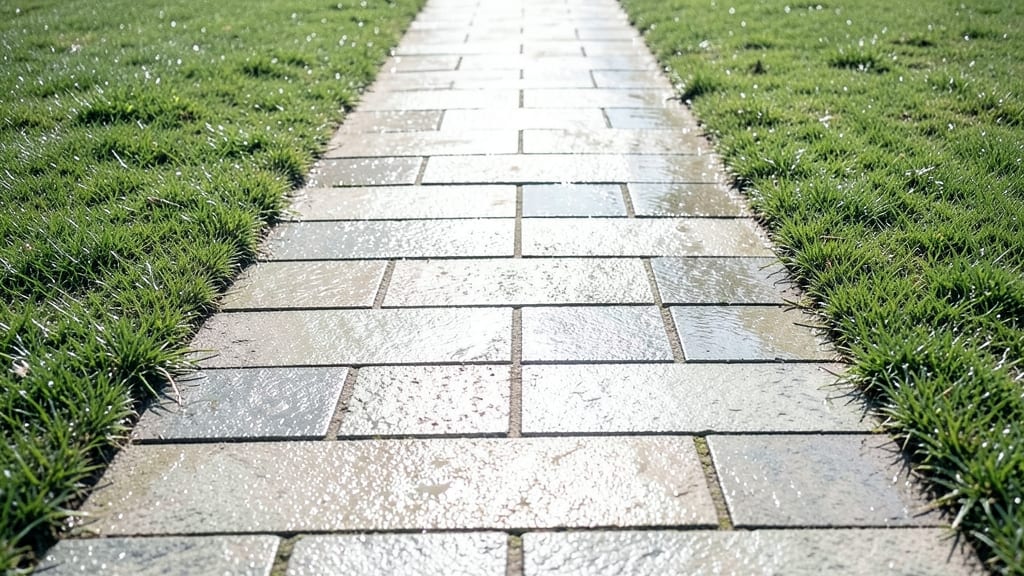
Sidewalks and walkways take a beating in Spartanburg’s humid climate, collecting dirt, algae, and stains that pressure washing can restore. The cost depends on size, condition, and the cleaning method required to do the job right.
What determines the cost of sidewalk and walkway pressure washing
Square footage is the primary cost driver. Crews in the area typically charge by the linear foot for sidewalks or by the square foot for broader walkways and patios.
Surface condition also plays a role. Heavy oil stains, deep-seated mildew, or efflorescence require pre-treatment, specialized detergents, or additional passes, increasing labor and time.
Access and obstacles matter. Tight spaces, steep grades, or landscaping that must be protected can slow the work and add to the final price.
Pressure washing methods for concrete sidewalks
Hot water pressure washing cuts through oil and grease more effectively than cold water, but it demands higher-end equipment and fuel, which can raise costs.
Soft wash systems use lower PSI with specialized cleaners to safely remove biological growth like algae and moss without damaging the concrete surface.
Surface cleaners—wide, multi-nozzle attachments—cover large areas quickly, reducing labor time for expansive walkways or commercial sidewalks.
| Method | Best For | Pros | Cons |
|---|---|---|---|
| Hot Water Pressure Washing | Oil stains, heavy grime | Superior degreasing, faster drying | Higher equipment cost, fuel use |
| Cold Water Pressure Washing | General dirt, light stains | Lower cost, widely available | Less effective on oil/grime |
| Soft Wash | Algae, moss, delicate surfaces | Gentle, long-lasting results | Requires chemical dwell time, not for oil |
| Surface Cleaner Attachment | Large, flat areas | Faster coverage, even cleaning | Not ideal for tight spaces or vertical surfaces |
Common add-ons that affect pricing
Sealing after cleaning adds a protective layer to concrete, preventing future staining and extending the clean look. This is a separate service with its own cost factors.
Stain removal for oil, rust, or hard water deposits often requires specialized products and extra labor, increasing the overall price.
Gutter or downspout cleaning is sometimes bundled with sidewalk work, especially if debris from gutters contributes to walkway staining.
If multiple surfaces need attention, ask whether combining sidewalk, driveway, and patio cleaning can reduce the per-square-foot rate.
Residential vs. commercial sidewalk cleaning costs
Residential sidewalks are usually smaller and simpler, with costs driven by linear footage and accessibility. A typical homeowner can expect a straightforward per-foot or per-square-foot rate.
Commercial walkways, especially in high-traffic areas like Southern Shops or Valley Falls, often involve larger square footage, more obstacles, and stricter compliance needs, which can increase the price.
Parking lot cleaning or storefront sidewalks may also require night or weekend work to avoid business disruptions, adding to labor costs.
Spartanburg-specific factors that influence price
The region’s humidity encourages rapid regrowth of algae and mildew, sometimes necessitating more frequent cleanings or stronger pre-treatments.
Hard water in parts of Spartanburg and nearby areas like Boiling Springs or Inman can leave mineral deposits that require acid-based cleaners for full removal.
Older neighborhoods with aged or uneven concrete may need lower PSI settings or manual scrubbing to avoid damage, slowing the process.
Using the wrong PSI or nozzle can etch or pit concrete, leading to costly repairs. Leave stubborn stains and large areas to professionals with the right equipment.
How to prepare for a sidewalk pressure washing quote
Measure the total linear footage of sidewalks or square footage of walkways. Contractors use these numbers to provide accurate estimates.
Note any problem areas, such as oil stains near driveways, heavy moss in shaded spots, or cracks that need attention before or after cleaning.
Clear the area of vehicles, outdoor furniture, and decorations. This speeds up the work and may reduce labor charges.
Pre-Quote Checklist
- Measure sidewalk/walkway dimensions
- Identify stains, cracks, or heavy growth
- Remove obstacles from the work area
- Check for nearby sensitive plants or surfaces
- Note any access restrictions (gates, locks, etc.)
What to expect during and after the service
The work typically begins with a pre-treatment to loosen dirt and kill biological growth, followed by high-pressure rinsing. Drying times vary with weather conditions.
Post-cleaning, concrete may appear lighter or slightly uneven in color until fully dry. This is normal and not a sign of poor workmanship.
To extend results, consider applying a penetrative sealer, especially in high-moisture areas like Glendale or Roebuck.
How to maintain your sidewalk and walkway after pressure washing
Regular upkeep keeps surfaces looking fresh and reduces the need for deep cleaning.
- 1Sweep Regularly
Remove dirt and debris weekly to prevent buildup and staining. A stiff broom or leaf blower works well for most surfaces.
- 2Address Spills Immediately
Blot oil, grease, or other spills with absorbent materials, then rinse with water to prevent permanent stains.
- 3Use a Mild Cleaner for Spot Treatment
For small areas of algae or mildew, a diluted bleach solution or specialized concrete cleaner can restore the surface between professional cleanings.
- 4Reseal Every Few Years
Apply a concrete sealer every 1-3 years to protect against moisture, UV damage, and stains. Choose a breathable product for driveways and walkways.
- 5Trim Nearby Vegetation
Overhanging trees or bushes contribute to organic growth. Keep landscaping trimmed to reduce shade and moisture on the concrete.
Frequently asked questions
How much does it cost to pressure wash a sidewalk in Spartanburg?
Pricing varies by size, condition, and method. Residential sidewalks often run by the linear foot, while larger walkways may be quoted per square foot. Request a quote based on your specific measurements and needs.
Can pressure washing damage my sidewalk?
Yes, if the wrong PSI, nozzle, or technique is used. Concrete can be etched or cracked by excessive pressure. Reputable crews adjust settings based on the surface age and condition.
How often should I pressure wash my walkway?
In Spartanburg’s climate, once a year is typical for maintenance. High-traffic or shaded areas may need cleaning every 6-12 months to prevent slippery algae or moss buildup.
Will pressure washing remove oil stains from my driveway or sidewalk?
It can lighten them significantly, but deep or old oil stains may require pre-treatment with degreasers or specialized cleaners. Some stains may need multiple treatments for full removal.
How quickly can a crew respond for sidewalk cleaning in Spartanburg?
Response times depend on crew availability, weather, and the current workload. Scheduling in advance, especially during peak seasons like spring or fall, helps secure a timely slot.
Is soft wash or pressure wash better for my walkway?
Soft wash is ideal for delicate surfaces or biological growth, while pressure washing works well for general dirt and stains. The best method depends on your sidewalk’s condition and material.