Do You Need a Pressure Washer When Using Cleaner in Spartanburg
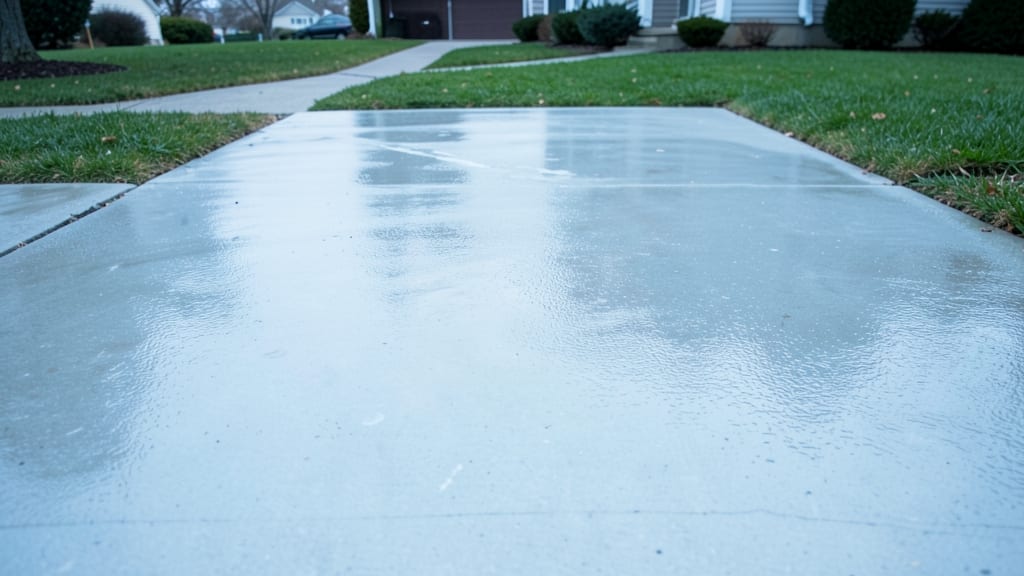
Using cleaner alone can lift some dirt, but in Spartanburg’s humid climate, stubborn grime and mildew often demand more. The right approach depends on the surface, the cleaner’s strength, and whether mechanical force is needed to fully restore the material.
When cleaner alone falls short
Chemical cleaners break down organic stains like algae, mold, and pollen—common in Spartanburg’s warm, wet seasons. But they struggle with embedded dirt in porous surfaces like concrete or deck wood.
Surfaces such as vinyl siding or brick may need agitation to dislodge grime that cleaner softens but doesn’t fully remove. Without pressure, residue can remain, leading to rapid regrowth.
How pressure washers enhance cleaning power
A pressure washer’s PSI and GPM ratings determine its ability to blast away loosened debris. For example, 2,000–3,000 PSI works for most residential siding, while 3,000+ PSI tackles driveways and heavy buildup.
The mechanical force also reduces the amount of cleaner required, which is critical for eco-conscious homeowners in areas like Boiling Springs or Inman, where runoff regulations may apply.
| Surface | PSI Range | GPM Range |
|---|---|---|
| Vinyl siding, fences | 1,200–1,900 | 1.2–1.8 |
| Deck, patio (wood/composite) | 1,500–2,500 | 1.5–2.0 |
| Concrete, driveways | 3,000–4,000 | 2.5–4.0 |
| Brick, stone | 2,500–3,500 | 2.0–3.0 |
| Roof (soft wash only) | 500–1,000 | 1.0–1.5 |
When you can skip the pressure washer
For light maintenance on smooth surfaces—like a small patio in Glendale or a vinyl fence in Roebuck—a garden hose with a spray nozzle and a strong detergent can suffice. The key is thorough scrubbing and a long dwell time.
Soft wash systems for roofs or delicate materials rely on low-pressure pumps to apply cleaner, then a gentle rinse. Here, the chemical does the work; pressure is secondary.
Always test cleaner on a small, hidden area. Some surfaces, like painted wood or aged concrete, can discolor or etch if the chemical or pressure is too strong.
The role of pre-treatment in Spartanburg’s climate
Spartanburg’s high humidity and frequent pollen mean surfaces accumulate grime faster. Pre-treating with a cleaner before pressure washing can cut the required PSI, reducing risk of damage.
For example, a bleach-based solution applied to a mildew-stained deck in Fairforest can loosen spores, letting a lower-pressure wash finish the job safely.
Risks of using pressure without proper cleaner
Bare pressure can drive dirt deeper into porous surfaces or strip away protective sealants on decks and patios. Without cleaner, organic stains often return within weeks.
In areas like Valley Falls or Camp Croft, hard water minerals can also leave streaks if not chemically addressed before or during the wash.
Never use high pressure on soft materials like roof shingles or old wood. The force can cause irreversible harm, voiding warranties or requiring costly repairs.
Alternatives to traditional pressure washing
Soft wash systems use specialized pumps to apply cleaner at low pressure, ideal for roofs, solar panels, or delicate siding. This method is growing in popularity across Spartanburg County for its safety and effectiveness.
For large flat surfaces like driveways in Southern Shops or parking lots in Duncan, surface cleaners attached to pressure washers provide even coverage and reduce fatigue.
Signs You Need More Than Cleaner
- Visible black or green streaks (mold/mildew) on siding or roofs
- Embedded dirt or oil stains in concrete or pavers
- Chalking or oxidation on painted surfaces
- Pollen or dust caked into textured surfaces like stucco
Cost and efficiency: cleaner vs. pressure washing
While cleaner alone has lower upfront costs, the labor of scrubbing and repeat applications can add up. Pressure washing typically covers larger areas faster, especially for driveways or commercial properties in areas like Reidville or Lyman.
The long-term value often favors pressure washing, as it extends the time between cleanings—critical in Spartanburg’s climate, where surfaces dirty quickly.
How to decide if you need a pressure washer with cleaner
Follow these steps to determine the best approach for your cleaning project.
- 1Assess the Surface and Stain Type
Identify whether the surface is porous (concrete, wood) or non-porous (vinyl, metal). Note if stains are organic (mold, algae) or inorganic (dirt, hard water).
- 2Test Cleaner Alone
Apply cleaner to a small section and let it dwell for 10–15 minutes. Scrub with a brush and rinse with a hose. If stains remain, pressure may be needed.
- 3Check Surface Condition
Inspect for damage, loose paint, or weak seals. High pressure can worsen these issues, so opt for soft wash or manual cleaning if the surface is fragile.
- 4Consider the Scale
For small areas, manual cleaning may suffice. For large or heavily soiled spaces, pressure washing will save time and effort.
- 5Evaluate Local Conditions
In Spartanburg, high humidity and pollen may require more frequent or aggressive cleaning. Pressure washing often provides a deeper clean that lasts longer.
Frequently asked questions
Can I use a pressure washer without cleaner in Spartanburg?
You can, but it’s less effective for organic stains like mold or algae, which thrive in Spartanburg’s climate. Cleaner helps break down grime, while pressure removes it. For best results, use both.
What’s the difference between pressure washing and soft washing?
Pressure washing uses high PSI to blast away dirt, while soft washing relies on low-pressure chemical application, ideal for delicate surfaces like roofs or old siding. Soft wash is often preferred for Spartanburg homes with sensitive materials.
How often should I pressure wash my home in Spartanburg?
Most homes benefit from an annual wash, but properties in wooded areas like Whitney or near high-traffic roads may need it twice a year. Pollen and humidity can accelerate buildup.
Is it safe to pressure wash vinyl siding?
Yes, if done correctly. Use a wide-angle nozzle (25–40 degrees) and keep the PSI below 1,900. Always test a small area first to avoid damage.
Do I need a professional for pressure washing my roof in Spartanburg?
Roofs require low-pressure techniques to avoid damage. Soft wash systems are the safest option. Due to the risk of injury or property damage, many homeowners in areas like Inman or Pacolet hire professionals.
What cleaner works best for mildew on decks in Spartanburg?
A bleach-based or oxygen-based cleaner is effective for mildew. Apply, let dwell, then use a pressure washer at a safe PSI (1,500–2,500) to rinse. Always follow with a sealant to protect the wood.